Turin owns one of the strangest monuments in the Jewish story: a 167-metre tower, the tallest masonry building of its age, that the Jewish community commissioned as a synagogue and never prayed in once. The Mole Antonelliana is now the symbol of the city and houses a cinema museum. It began as the house of prayer that a newly emancipated community wanted to build to mark its freedom, and the gap between that intention and that outcome tells you almost everything about Jewish Turin: ambitious, civic, proud, and repeatedly overtaken by events larger than itself.
The community is old. Jews were admitted to Turin in 1424, and lived there under the usual medieval mixture of usefulness and constraint. In 1679 they were shut into a ghetto, the first in Piedmont. For the next century and a half Jewish Turin was a community behind a gate, present and productive but legally penned. Then, in a single decisive year, the gate came off.
That year was 1848, and what happened in Turin happened to matter for the whole of Italy. This was the capital of the Kingdom of Sardinia, the state that would soon lead the unification of the country, and the rights it granted its Jews became, a little over a decade later, the template for Jewish emancipation across united Italy. Turin's Jews were not bystanders to the Risorgimento. They were among its earliest beneficiaries and its loyal citizens.
The year the gate came off
In March 1848 King Carlo Alberto promulgated the Statuto Albertino, the constitution of the Kingdom of Sardinia, and later that year its protections were extended to grant the Jews of his realm full civil and political rights. The Turin ghetto, sealed since 1679, emptied. A community that had spent a hundred and seventy years behind a wall stepped out into ordinary citizenship, and one of the first things it wanted to do with its freedom was build.
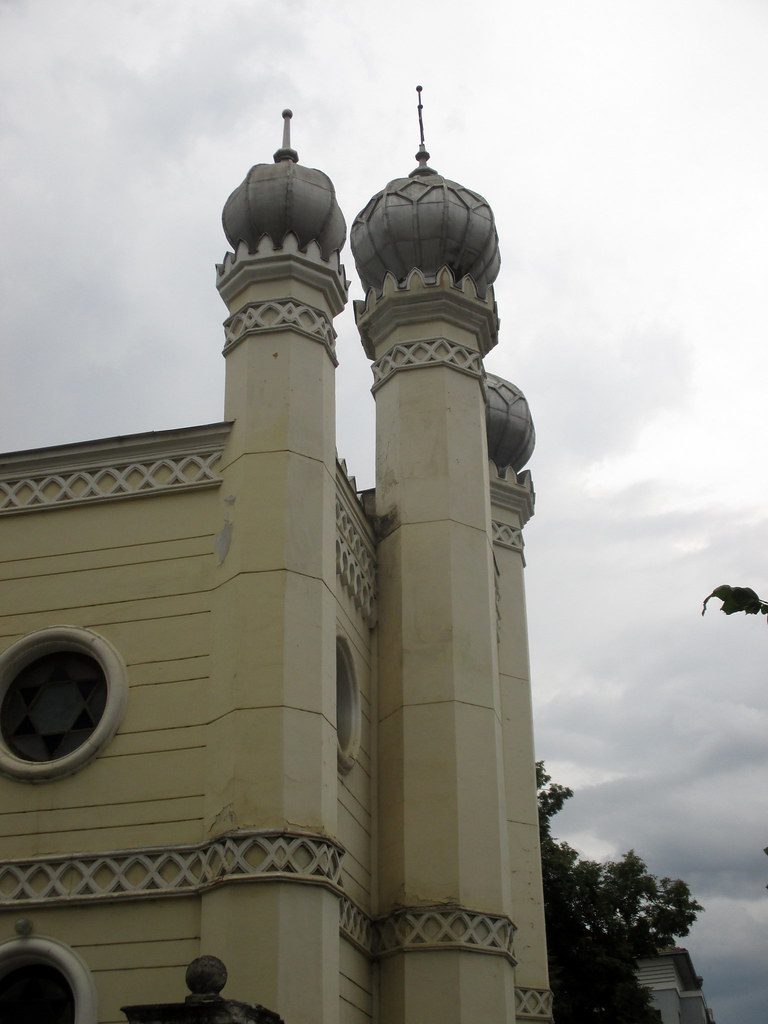
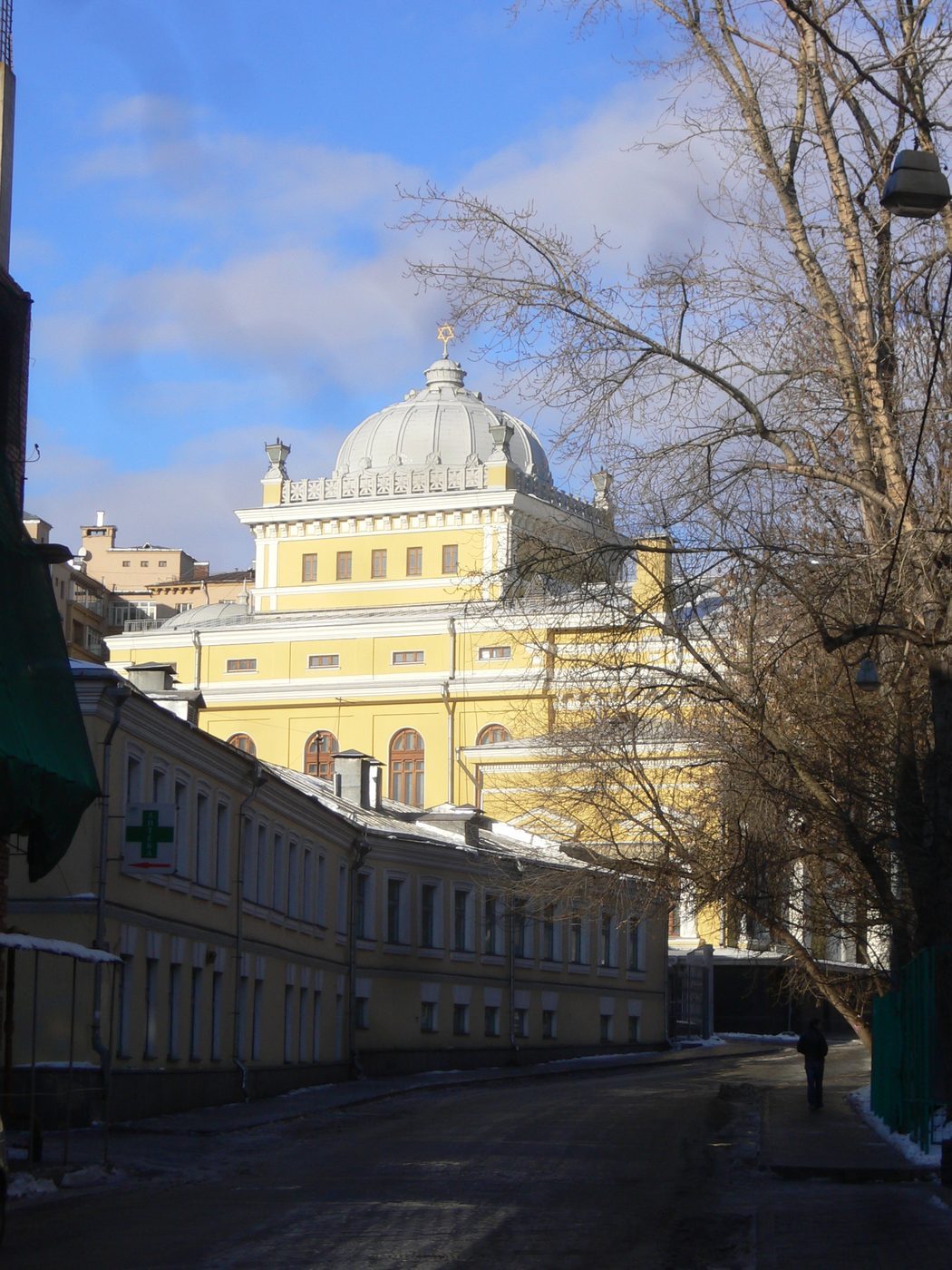
The plan was the Mole. The community engaged the architect Alessandro Antonelli, and construction began in 1863, but Antonelli kept raising the design ever higher and the costs ran far beyond what the community could bear. In the end the Jews of Turin sold the unfinished structure to the city, which completed it as a secular monument; it still stands as the tallest thing on the skyline and the badge of the city. With the proceeds the community bought a new site and built a more practical synagogue, designed by Enrico Petiti in an eclectic Moorish style, which opened in 1884. That building, the Tempio Grande, became the working great synagogue of Turin.
Emancipated Turin produced a thoroughly Italian Jewish bourgeoisie, integrated into the professions, the universities and public life, and few cities would later embody both the heights of that integration and the depths of its betrayal as sharply. The most famous son of this community, the chemist and writer Primo Levi, was born in Turin in 1919, deported to Auschwitz, survived, and came home to the city to write the books that made him one of the essential witnesses of the twentieth century.
Emancipation in the Kingdom of Sardinia
In 1848, following the Statuto Albertino granted by King Carlo Alberto, the Jews of the Kingdom of Sardinia, Turin's among them, received full civil and political rights, and the Turin ghetto established in 1679 was dissolved. Because Turin was the capital of the state that led Italian unification, this emancipation became a model for the rights extended to Jews across united Italy after 1861.
Comunità Ebraica di Torino · Statuto AlbertinoFire, deportation, and what came back
The twentieth century tested the community hard. The Fascist racial laws of 1938 stripped Italy's Jews of their rights and fell heavily on the assimilated Jews of Turin. On 20 November 1942 Allied bombing set the Tempio Grande ablaze, destroying the rich interior and much of the Piedmontese Jewish community's archive; only the outer walls survived. In late 1943, after the German occupation, the deportations began, and many of Turin's Jews were sent to the death camps.
And yet the line did not break. The synagogue was rebuilt between 1945 and 1949, and a smaller sanctuary was raised inside its restored shell. Today Turin remains one of the more important Jewish communities of north-western Italy, with its synagogue, its schools, its institutions and its memory all kept in plain sight in the centre of the city. The community that walked out of the ghetto in 1848 is still there, in the same streets, keeping the old line in use.
They commissioned the tallest building of the age to celebrate their freedom, sold it half-built, and prayed in a humbler hall instead. Then the humbler hall was burned, rebuilt, and is praying still.
From the Mole to the Tempio Grande
The Turin community began building a monumental synagogue, the Mole Antonelliana, in 1863, but the runaway project was sold unfinished to the city and completed as a secular landmark. With the proceeds the community built the Tempio Grande, designed by Enrico Petiti in a Moorish eclectic style, which opened in 1884 and remains, after wartime destruction and post-war restoration, the city's principal synagogue.
Comunità Ebraica di Torino · Synagogue of TurinFurther reading