Cluj-Napoca, still often called Klausenburg in Jewish memory, is where the Klausenburg Hasidic dynasty took its name and where the city’s synagogue now speaks openly about deportation. That is not a contradiction. It is the city telling the truth after the fact.
The place holds two registers at once: the old Transylvanian urban centre and the scar left by 1944. The synagogue there is not just a surviving building. It is a memorial with a roof.
Klausenburg takes its name from the city
The Klausenburg Hasidic dynasty originated here in the interwar years under Rabbi Yekusiel Yehudah Halberstam. The city was then a strong Jewish centre in Transylvania, and the dynasty’s name tied it to an urban world that was about to be shattered.
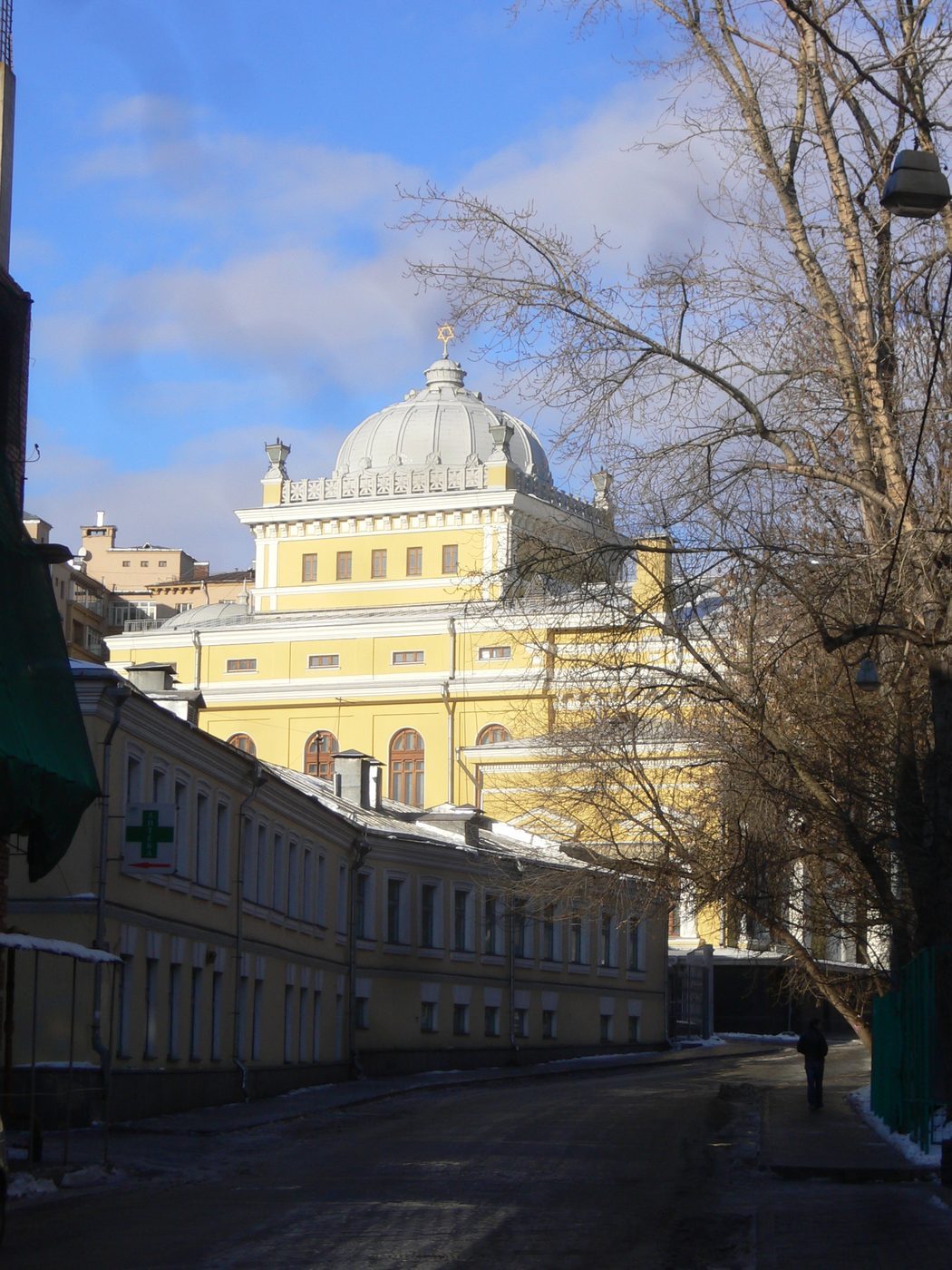
The Neolog Synagogue in Cluj was completed in 1887. Later called the Temple of the Deportees, it came to stand not simply for worship but for the memory of the Jews taken away in 1944. That double life gives the building its power.
Neolog Synagogue completed in Cluj
The Neolog Synagogue on Horea Street was completed in 1887 and became the central Jewish building of Cluj’s modern period. After the Holocaust it was rededicated as the Temple of the Deportees, making the architecture itself part of the memorial record.
Neolog Synagogue in Cluj-NapocaAfter the deportations
In 1944, under Hungarian rule, the Jews of Cluj were deported to Auschwitz. The synagogue was damaged, then restored, then restored again. That sequence is brutal, but it is also the reason the place still speaks.
The later restoration work, including the 2018 revival of the synagogue and its surrounding Jewish cultural centre, says something important about survival in Transylvania: memory here is not passive. It gets repaired, retitled and handed on.
The synagogue remembers what the city would rather not forget. Cluj made memorial architecture out of necessity.
Deportation and restoration
The synagogue was damaged during the 1944 deportations and then restored and rededicated in 1951 as a memorial to the murdered Jews of Cluj. Later restoration campaigns kept the building active while preserving its memorial function.
Cluj-Napoca Neolog Synagogue / YIVOA city that refuses easy forgetting
Cluj-Napoca is now a modern Transylvanian city with a Jewish past that is easy to see if you know where to look. The work of memory is visible there in stone, not just in ceremony.
The synagogue of the deportees is not only a survivor. It is a statement: we were here, we were taken, and we still know the difference.