Metz is a city that knows how to survive rule changes. For Jews, it is one of the oldest important French centres, and its long story runs from medieval crisis to modern rebuilding without ever dropping the thread completely.
That persistence matters more than any single building. Metz keeps teaching that a community can be interrupted without being erased.
Crusade, settlement and continuity
The first Crusade massacres in 1096 hit Metz hard, but the city later regained a Jewish presence and by the early modern period had become a durable communal centre again. The old pattern is familiar: rupture, return, repair.
Metz mattered because it sat at a cultural crossroads and could absorb new Jewish arrivals without losing its own French character.
The First Crusade attacks Metz
In 1096, crusaders attacked the Jews of Metz and killed those who refused baptism. The event placed Metz early in the history of Ashkenazic martyrdom in France.
Encyclopaedia Judaica: Metz; History of the Jews in FranceModern rebuilding
In the nineteenth century, Metz rebuilt a visible Jewish public life with synagogues, institutions and civic recognition. The city’s modern Jewish profile became one of the clearest in eastern France.
The old city did not erase the old wound. It learned to live beside it.
Metz synagogue and modern community
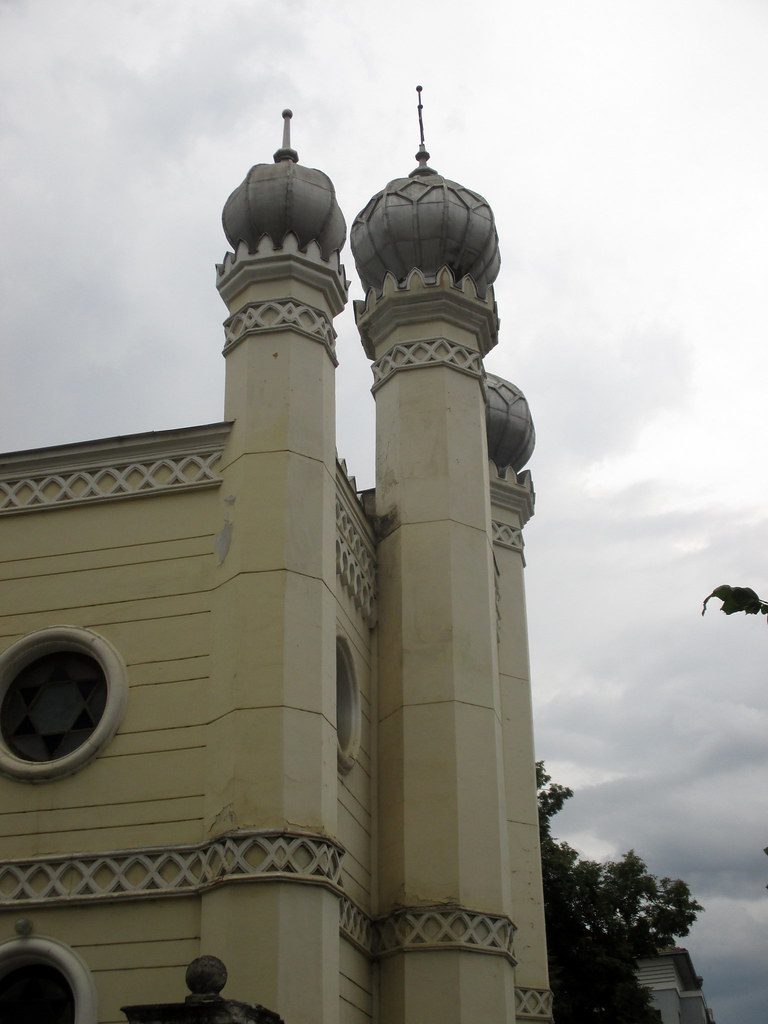
Nineteenth-century Metz saw the reconstruction of Jewish communal institutions and a major synagogue presence. The city’s modern period restored Jewish public life after earlier medieval and early modern breaks.
Metz municipal heritage; Encyclopaedia Judaica: MetzWhy Metz matters
Metz matters because French Jewish continuity is not only a Paris story. It is also this kind of city, where return is part of the architecture.
The old city keeps making room for memory.