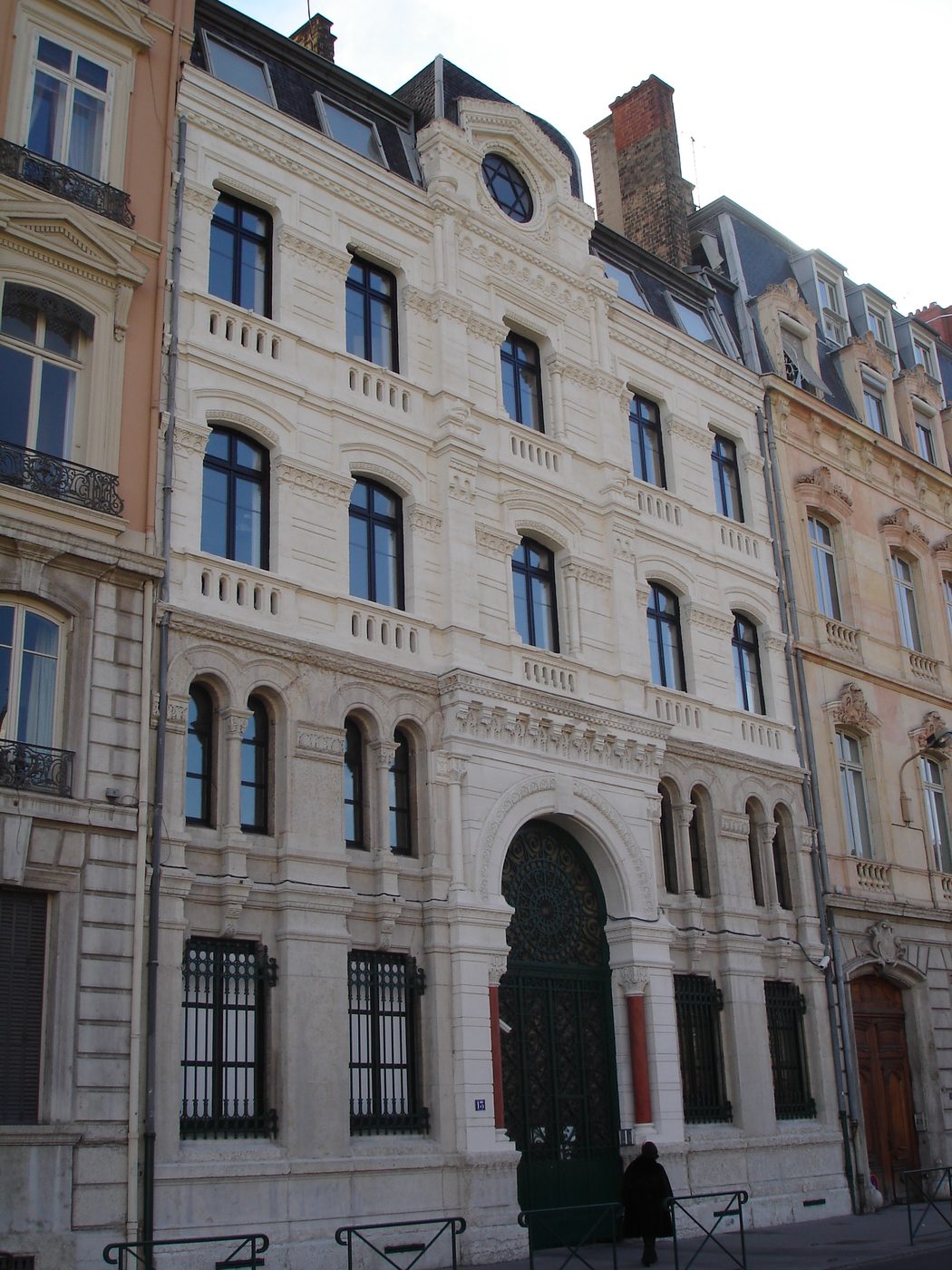
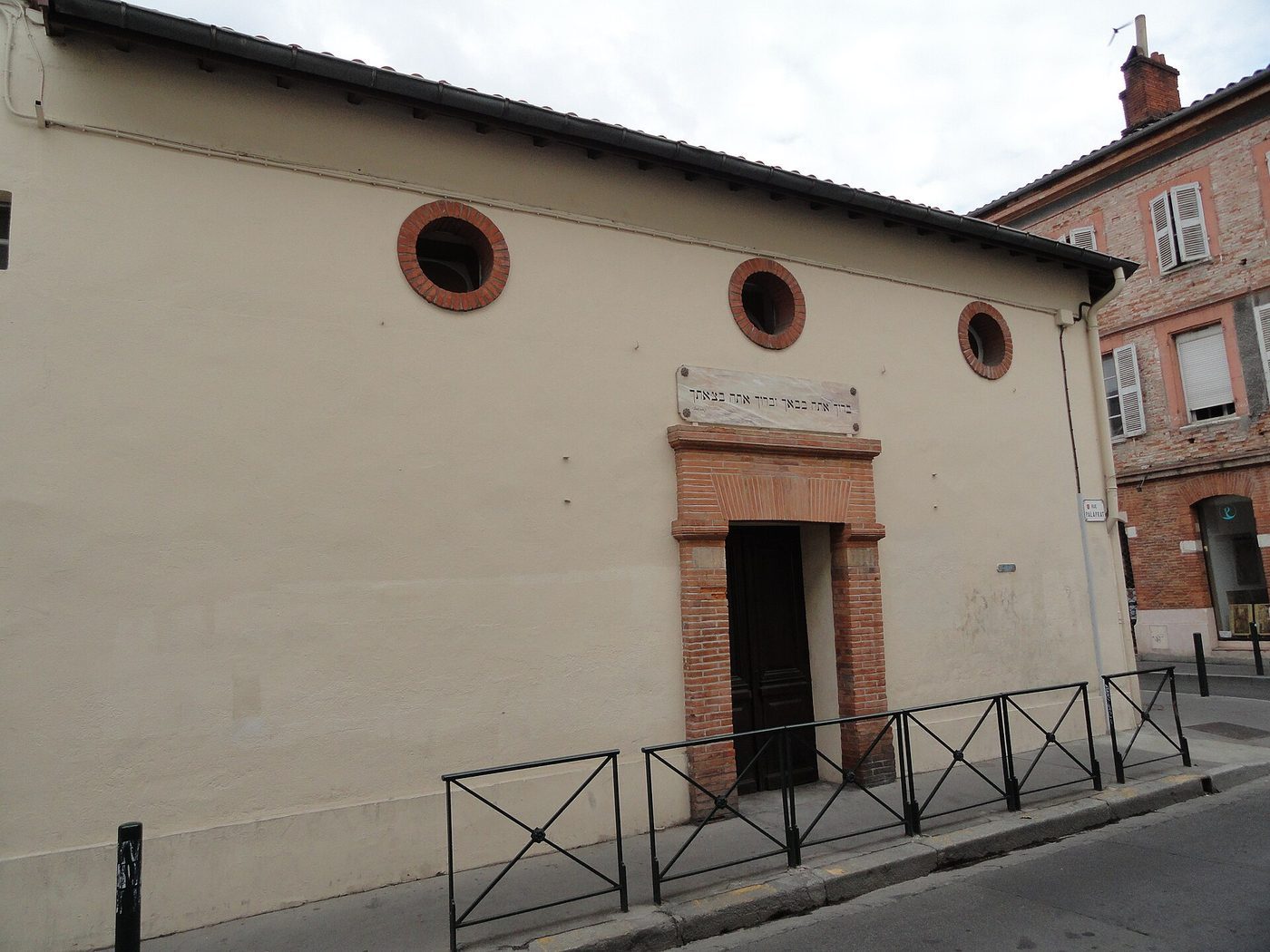
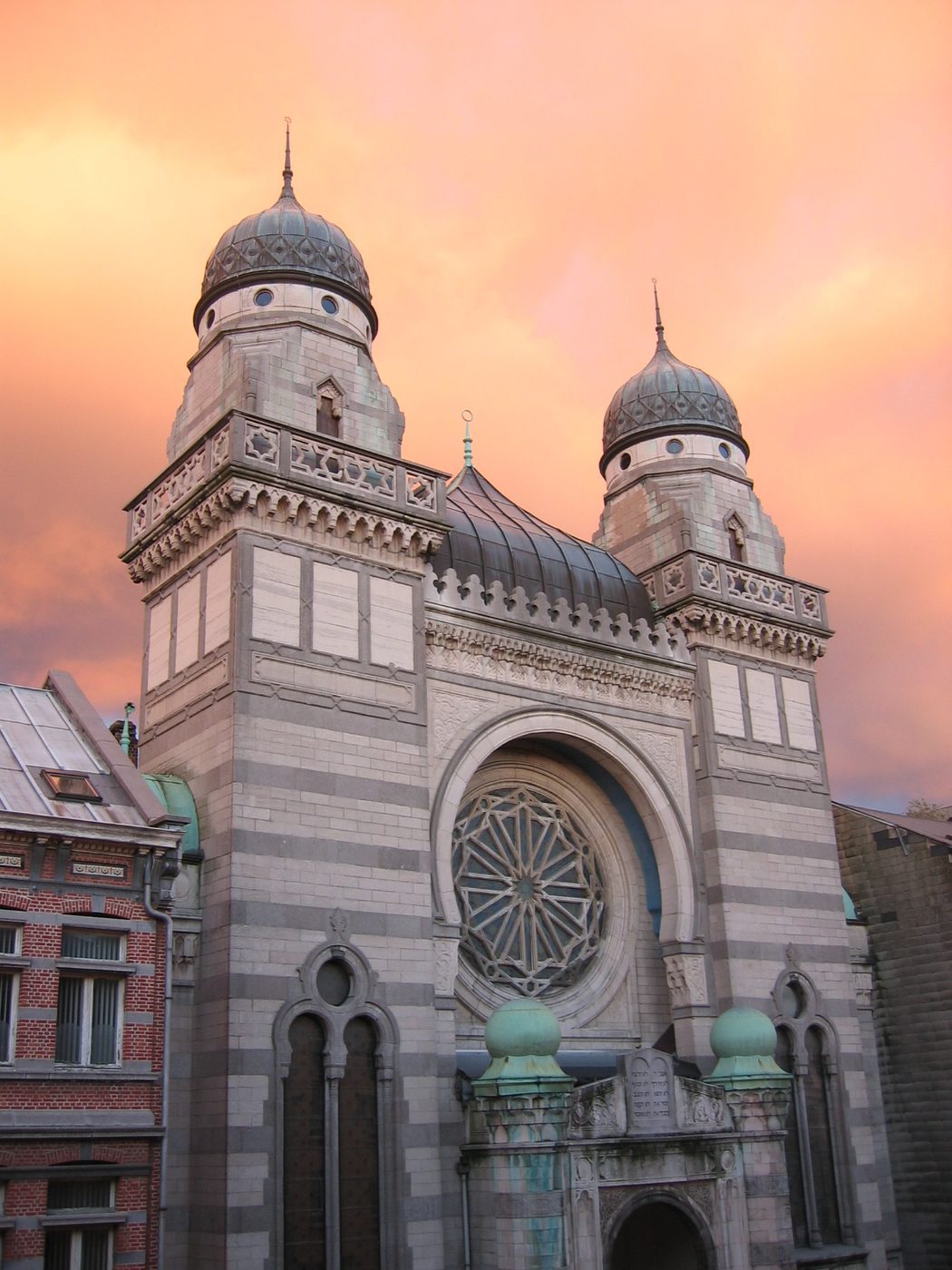
Grenoble is one of the French provincial cities where the Jewish story is not flashy, but it is steady. The community rebuilt after Revolution and emancipation, then kept itself visible through synagogues, schools and the postwar decades.
That kind of persistence is its own kind of grandeur.
Rebuilding after emancipation
After the Revolution, Jews in Grenoble could organise publicly in ways they had not been able to before. The city's Jewish life grew in the 19th century and became one of the important provincial communities in France.
Grenoble's value is that it shows how the French Jewish map is not only Paris and Marseille. There are cities that kept the community alive by being dependable.
A provincial Jewish centre emerges
By the 19th century, Grenoble had become one of the stronger Jewish communities in provincial France. Synagogue history and local Jewish organisations show a community that was rebuilt rather than inherited from a single grand event. The city grew with the community, not around it.
Synagogue de Grenoble; French Jewish historyAfter war, the community remains
During and after the Second World War, Grenoble saw displacement, rescue and postwar rebuilding like much of France. The Jewish community stayed in the city and continued to grow through the later 20th century.
The city belongs in the atlas because it shows ordinary continuity, which is often the hardest thing to achieve.
A city that keeps its Jewish addresses
After the war, Grenoble's Jewish institutions continued and diversified, including consistorial, Lubavitch and liberal groups. The modern city still holds several Jewish organisations, making it one of the clearest provincial examples of continuity in France.
Synagogue de Grenoble; local community organisationsThe city that did not drift away
Grenoble proves that a provincial community can stay real without turning itself into folklore.
It only has to keep the doors open.