Toulouse is one of the French cities that kept rebuilding its Jewish life instead of letting it go soft. The old community was small, then larger, then altered by migration, especially after North Africa, and the city still carries all those layers.
It is a city of continuity under pressure, which is a very Jewish kind of urban story.
Old community, new arrivals
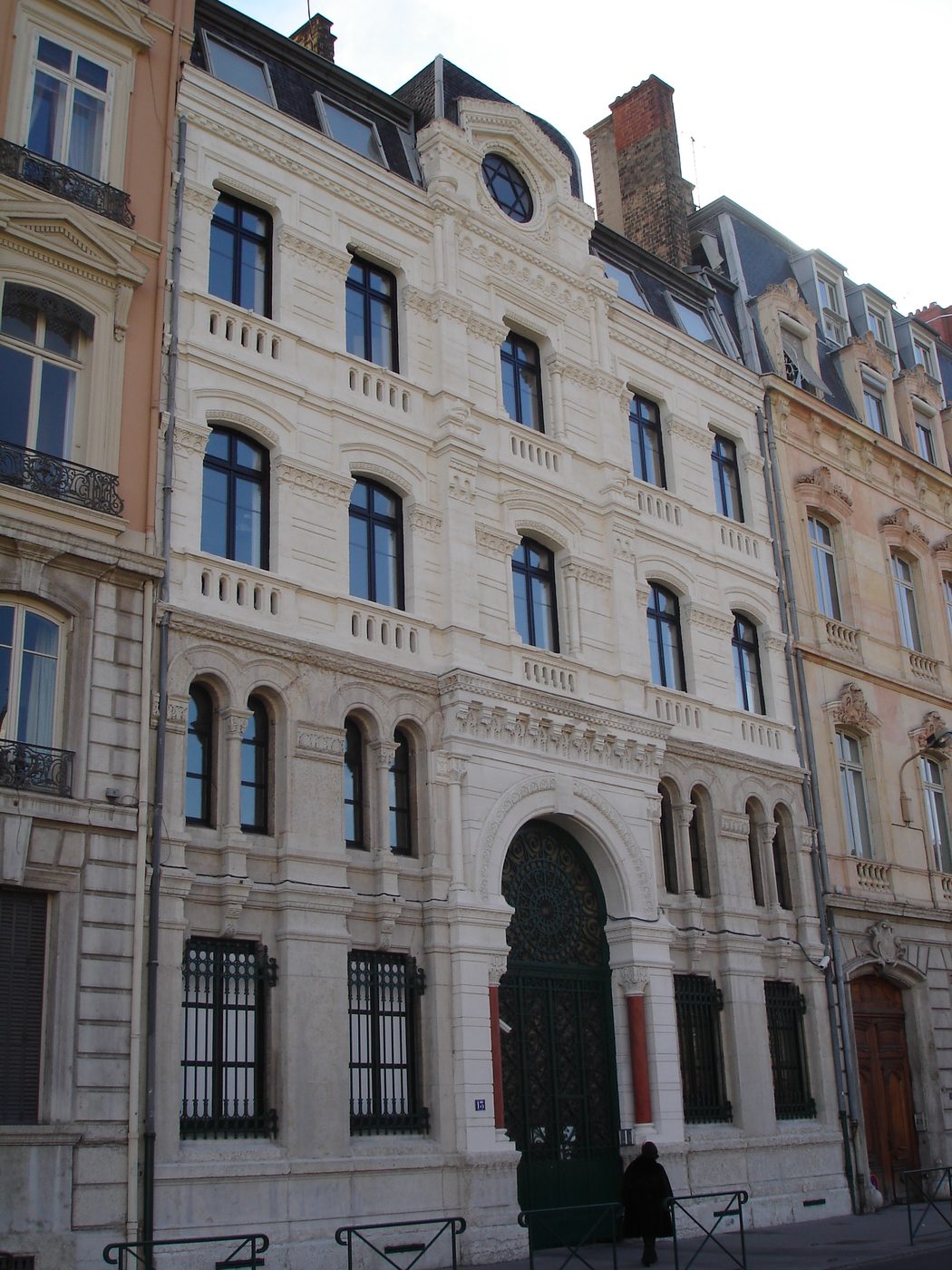
Synagogue Palaprat, founded in 1837, is the city's oldest continuously active synagogue. It served a small Toulouse community that was later joined by many more Jews from Alsace, Turkey, North Africa and elsewhere.
That mix gave Toulouse a communal texture that was provincial in size and cosmopolitan in accent.
The oldest active synagogue in Toulouse
Synagogue Palaprat was founded in 1837 to serve the city's small Jewish community and remains active today. It is the oldest synagogue in Toulouse and marks the city's long refusal to let its Jewish life disappear between larger historical waves.
Synagogue Palaprat; Toulouse Jewish historyThe city changes after 1962
In 1962, Toulouse received many Jews from North Africa, especially Algeria. New prayer houses and communal organisations followed, and the community became much larger and more visibly Sephardi.
That is why Toulouse belongs in the atlas. It shows French Jewish life as something that can be remade by arrival without losing its earlier rooms.
A larger communal public appears
After 1962, the city's Jewish community expanded sharply as North African Jews settled in Toulouse. The change transformed the scale and style of local Jewish life, creating new institutions alongside the older Palaprat tradition. The city did not start over. It added a chapter.
History of the Jews in Toulouse; French Jewish historyA city that keeps returning
Toulouse is worth the atlas because it keeps showing up after every supposed end.
The city knows how to carry a small community into a larger one.