There is a small town in western Galicia called Bobowa, and most of the world has never heard of it. Yet say the word "Bobov" in Borough Park, or Antwerp, or Montreal, and thousands of people know exactly what you mean: a court, a melody, a way of holding the body when you pray. The town gave its name to a Hasidic dynasty, and the dynasty outgrew the town so completely that the name now belongs less to a place on the map than to a tune carried in the throat.
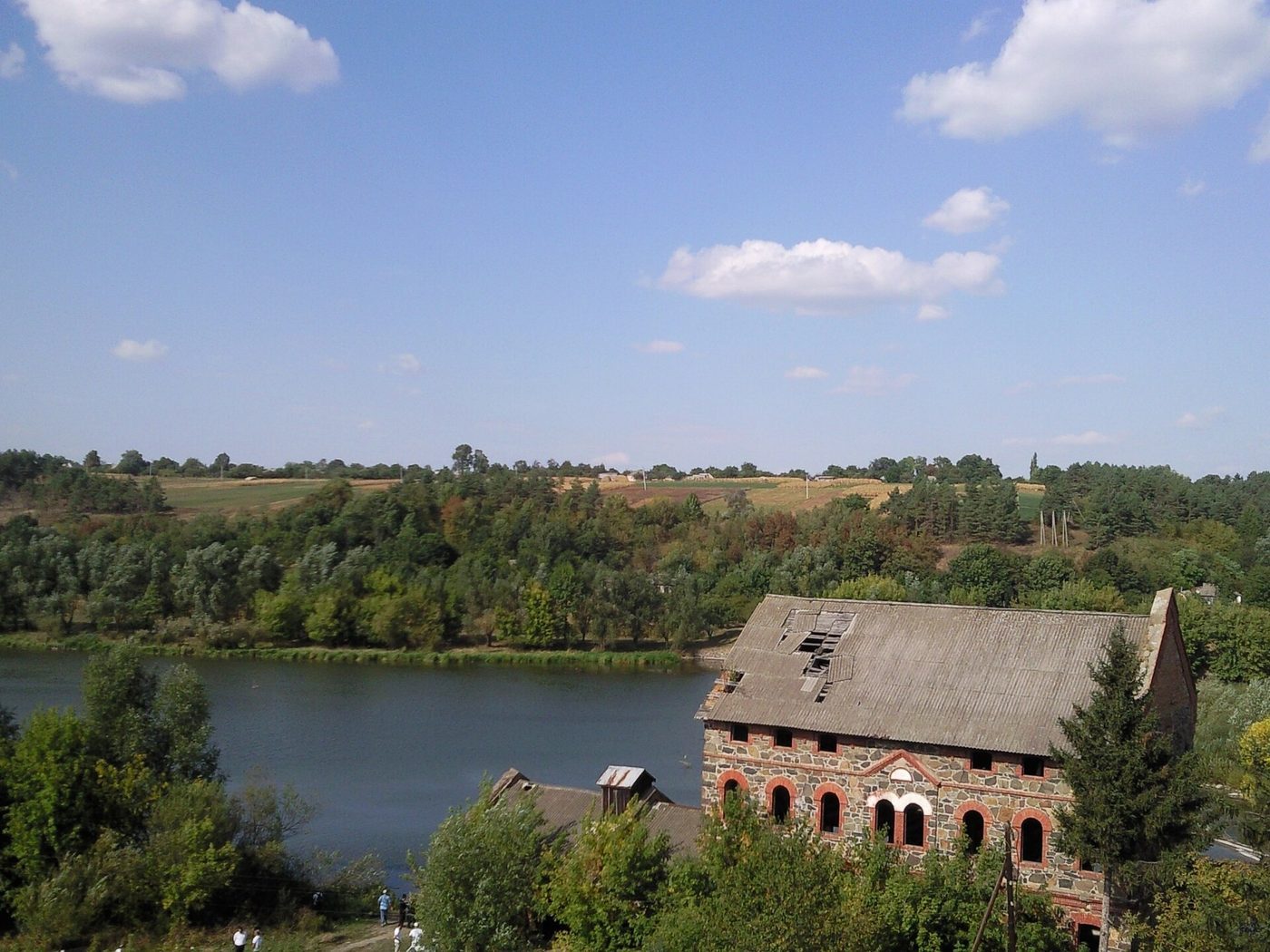
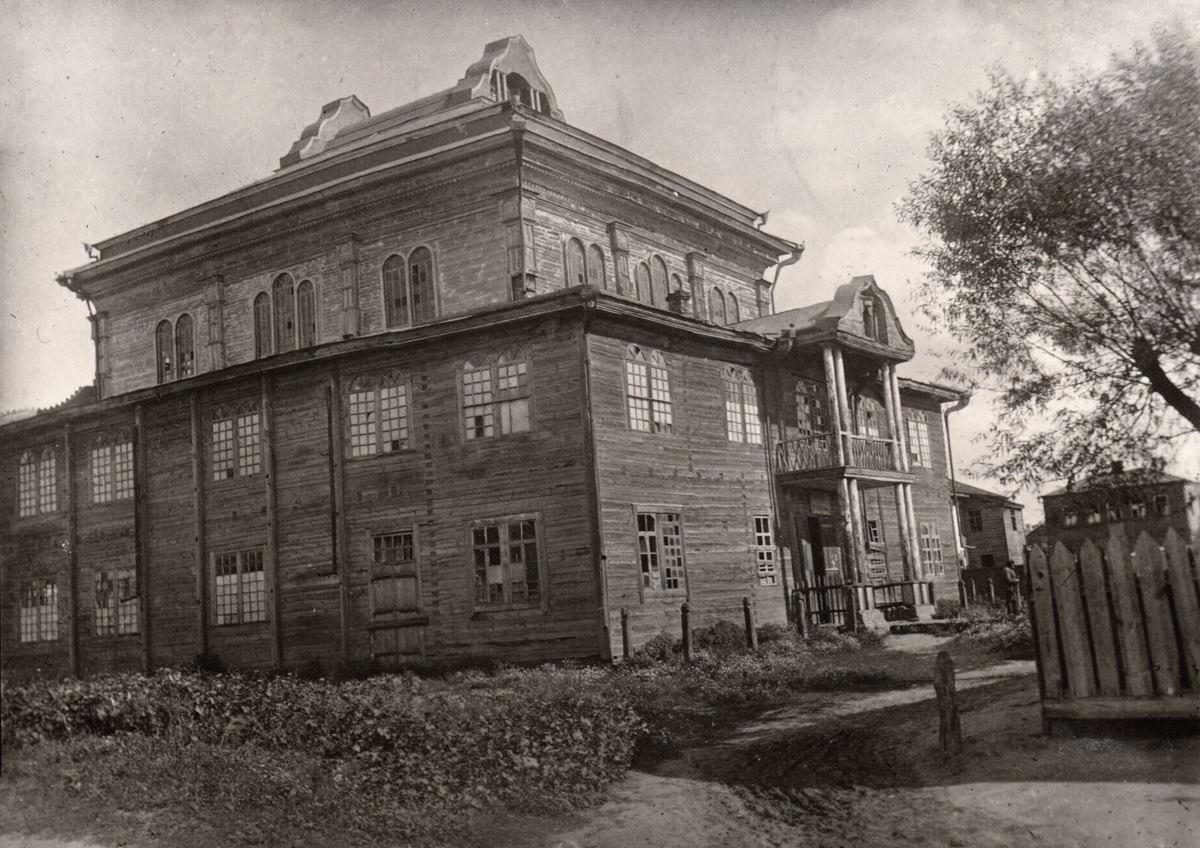
That is the strange arithmetic of Hasidic geography. A dynasty takes the name of the small town where its rebbe happened to live, and then the town vanishes into the name. Bobowa today is a quiet Polish settlement with a restored synagogue and a Jewish cemetery. Bobov, the living thing, is somewhere else entirely - and it is very much alive.
A court built on song
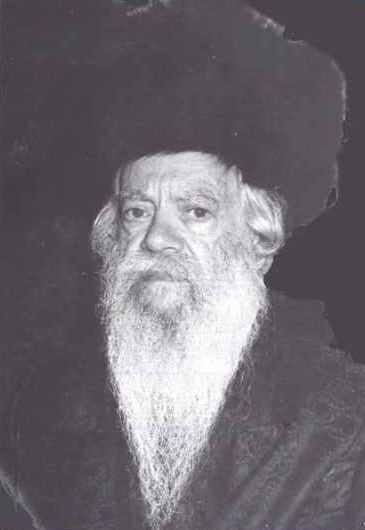
The dynasty was founded in 1881 by Rabbi Shlomo Halberstam (1847-1906), a grandson of the great Sanzer Rebbe, who established a yeshiva and built his court in Galicia. From the start Bobov was unusually invested in education and in music. Its second rebbe, Ben Zion Halberstam (1873-1941), expanded the network of yeshivas across interwar Poland and became famous for his melodies - the niggunim sung at his court drew crowds, and the Bobover tune became a signature as recognisable as any teaching.
That emphasis on song was not decoration. In Hasidic thought a wordless melody can carry a soul past the limits of language, and Bobov made this central rather than incidental. When people say the music outlived the place, they are not being sentimental. They are describing how the dynasty actually transmitted itself: parent to child, voice to voice, a tradition you could pack into memory and carry across a border with nothing in your hands.
Shlomo Halberstam founds the court
The Bobov dynasty was founded in 1881 by Rabbi Shlomo Halberstam (1847-1906) in Bobowa, western Galicia, where he established a yeshiva. A grandson of the Sanzer Rebbe, he set the dynasty's two enduring marks early: a strong educational network and a deep investment in liturgical music.
YIVO Encyclopedia of Jews in Eastern EuropeThe tune crosses the ocean
The Holocaust nearly ended the line. Ben Zion Halberstam was murdered in 1941, and most of his followers perished with the Galician Jewish world. The dynasty survived in the person of his son, Rabbi Shlomo Halberstam (1908-2000), one of the few who escaped, who reached the United States and set about rebuilding from almost nothing. He chose Brooklyn, and specifically Borough Park, and over more than fifty years as rebbe he constructed a worldwide network of synagogues, boys' and girls' schools, high schools and study halls.
Today Bobov communities are found in Borough Park and Williamsburg, in Monsey and Lakewood, in Montreal and Toronto, in Antwerp and London and Los Angeles - a Galician name printed onto the map of the modern Jewish diaspora. The court that began in a town nobody can find now spans several continents, and it still sings the same songs.
A tune you could pack into memory and carry across a border with nothing in your hands. The music travelled farther than the town ever could.
From Galicia to Borough Park
The second rebbe, Ben Zion Halberstam, was killed in 1941, and the Galician court was destroyed. His son, Rabbi Shlomo Halberstam (1908-2000), survived, reached the United States, and rebuilt Bobov in Brooklyn's Borough Park, founding a worldwide network of schools and synagogues over half a century as rebbe.
Bobov (Hasidic dynasty) - WikipediaWhat Bobov kept
What is striking about Bobov is not that it was nearly destroyed - so much was - but how completely it refused to be defined by the destruction. The court that reassembled in Brooklyn did not run on grief. It ran on schools full of children, on weddings, on the same melodies sung at the same moments in the year, with the volume turned back up. The Galician town is a memory; the Galician way of being is a living institution with tens of thousands of adherents.
That is the deeper lesson of a place like Bobowa. A people can lose almost everything material - the town, the buildings, the records, most of its members - and still carry forward the essential thing, provided the essential thing was portable to begin with. Bobov chose, generations before it knew it would need to, a treasure light enough to carry. The court still knows the beat.
Further reading