Bratslav gave its name to a Hasidic movement that turned longing into method. The town itself became the label for an inward style of devotion that never wanted to stand still.
Rebbe Nachman of Bratslav made the name famous by making uncertainty, song, and personal struggle part of religious seriousness.
A court of seekers
Nachman’s court in the early nineteenth century helped define what Bratslav would mean for later generations: not a settled empire, but a movement of seekers. The teachings travelled because they addressed the unsettled soul with unusual honesty.
That is why Bratslav keeps finding new followers. It never pretended the road was easy.
Rebbe Nachman’s Bratslav court
Rebbe Nachman settled in Bratslav and gave his movement its enduring name. His teachings, especially the emphasis on joy, hitbodedut, and searching prayer, became central to Bratslav Hasidism after his death in 1810.
YIVO Encyclopedia; Bratslav Hasidic historiesPilgrimage outlives the town
The town’s later Jewish life was destroyed, but the name Bratslav lived on in courts, prayer, and pilgrimage, especially in the devotion around Rebbe Nachman’s grave in Uman.
What began as a local court became a global mood with a train ticket.
Alone among the Hasidic courts, Bratslav never appointed a successor rebbe after Nachman, which earned its followers the wry name the dead Hasidim.
Bratslav turned spiritual unease into a home address.spiritual unease
The name travels to Uman and beyond
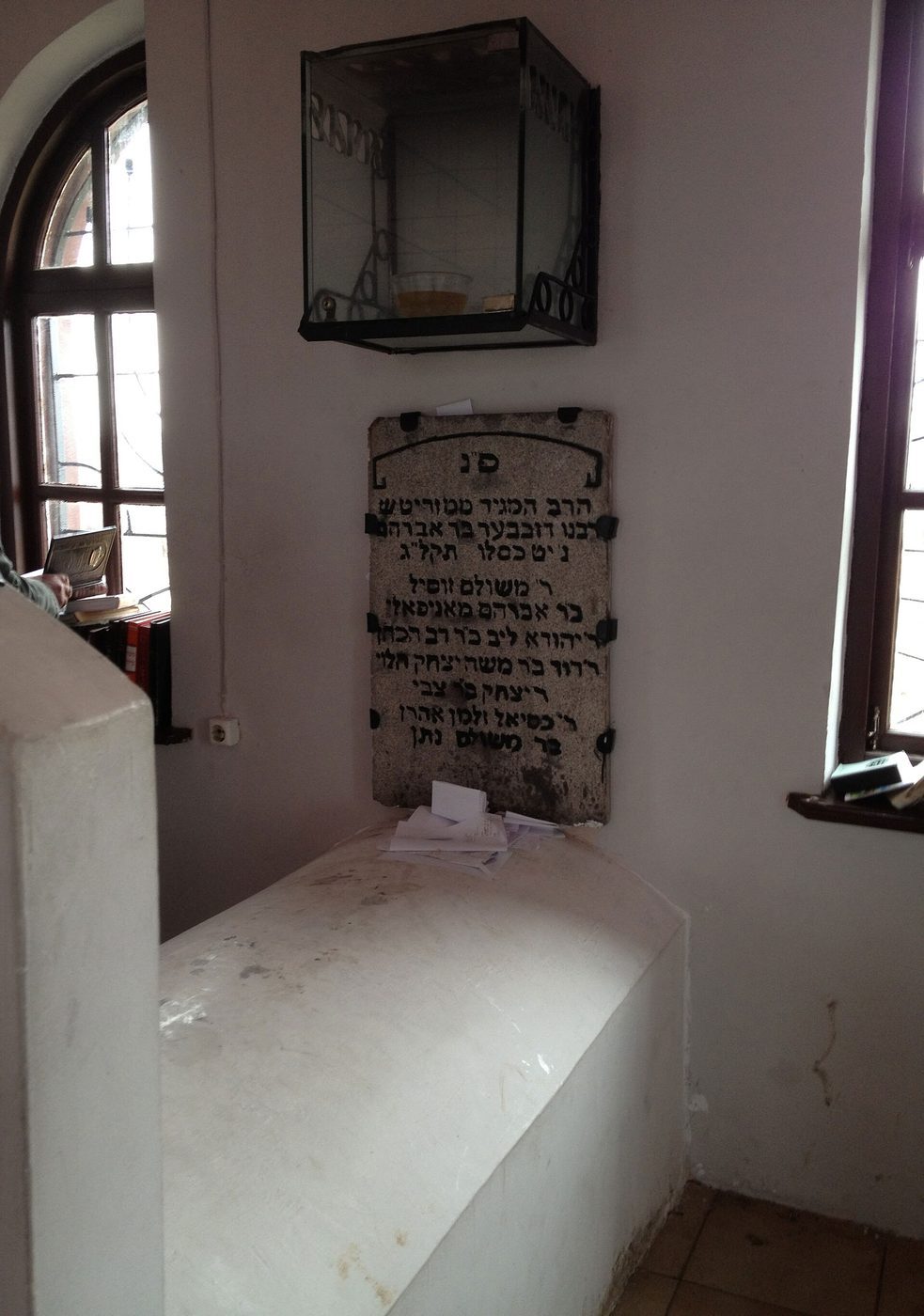
After Rebbe Nachman’s death, Bratslav devotion centred on his grave in Uman and spread far beyond the old town. The movement’s global pilgrimage culture keeps the name alive after the town itself lost its Jewish community.
YIVO; contemporary Bratslav scholarshipA moving court
Bratslav survives by refusing to stay put.
The name is a reminder that some Jewish places are most powerful when they are on the move.