A guided journey - 2-3 minutes
How archaeology argues
Eight stops, in order, reading the archive as an argument: imperial claims, local records, built infrastructure, a contested hostile witness, preserved manuscripts, dispersed papers and the tests that keep evidence honest.
-
1
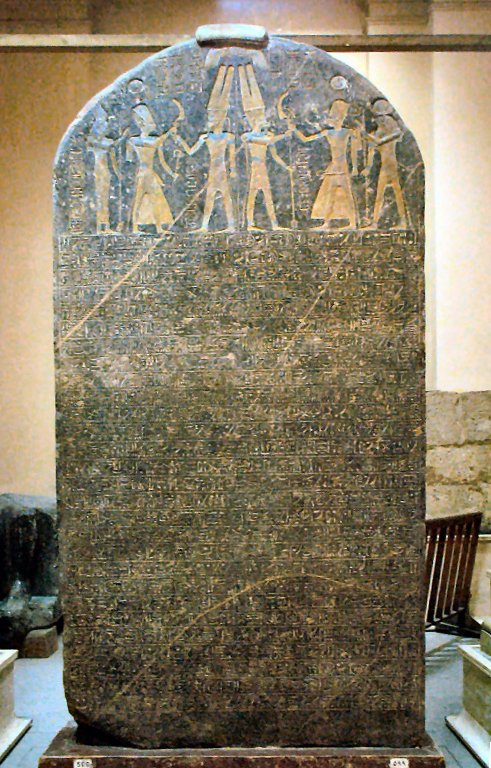 The Merneptah Stele
The external boast starts the lesson: evidence often survives in the voice of someone trying to control the story.
The Merneptah Stele
The external boast starts the lesson: evidence often survives in the voice of someone trying to control the story.
-
2
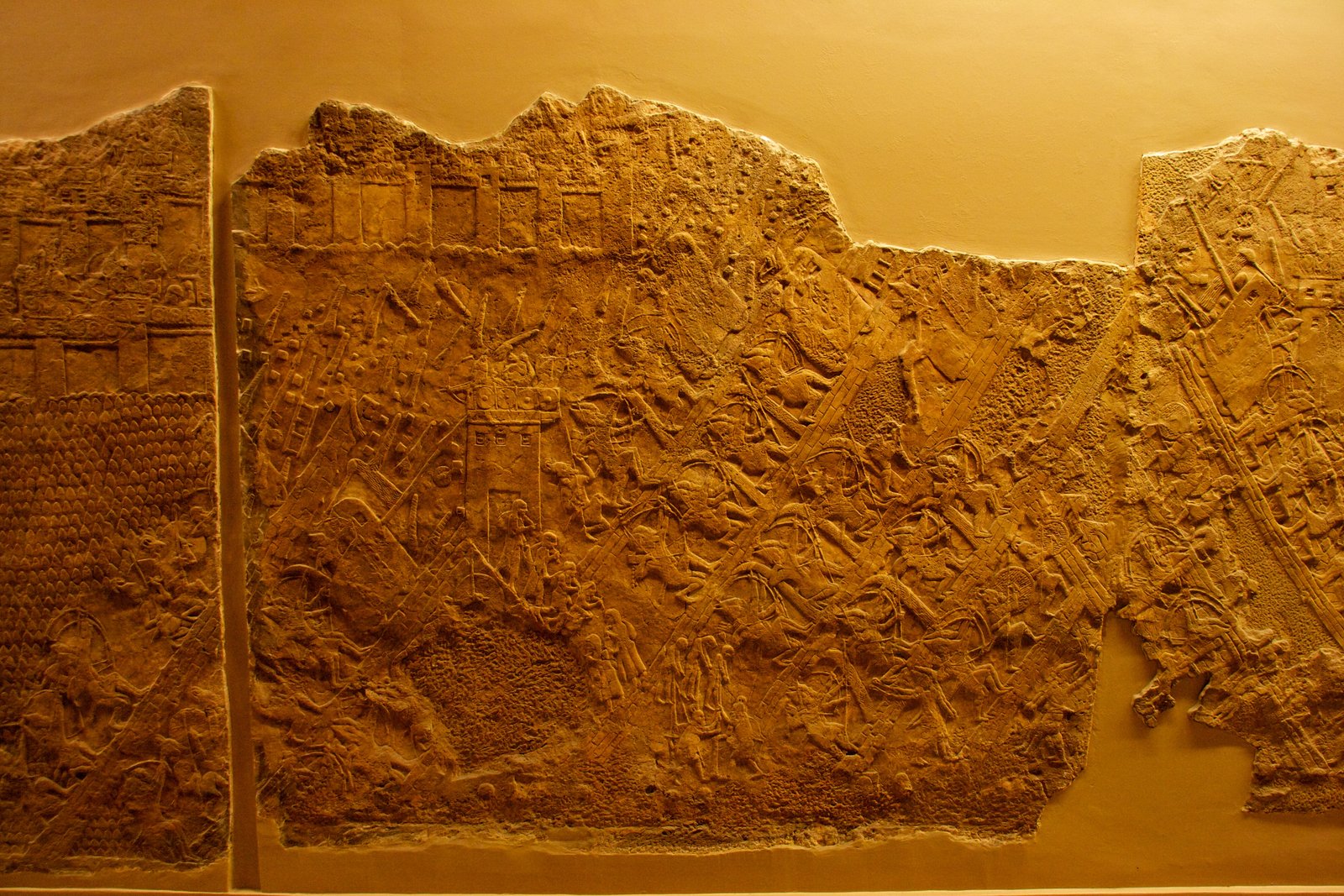 Assyria: Room 10b
Assyria gives that boast a scene, turning royal display into a record to be read for what it shows and what it wants remembered.
Assyria: Room 10b
Assyria gives that boast a scene, turning royal display into a record to be read for what it shows and what it wants remembered.
-
3
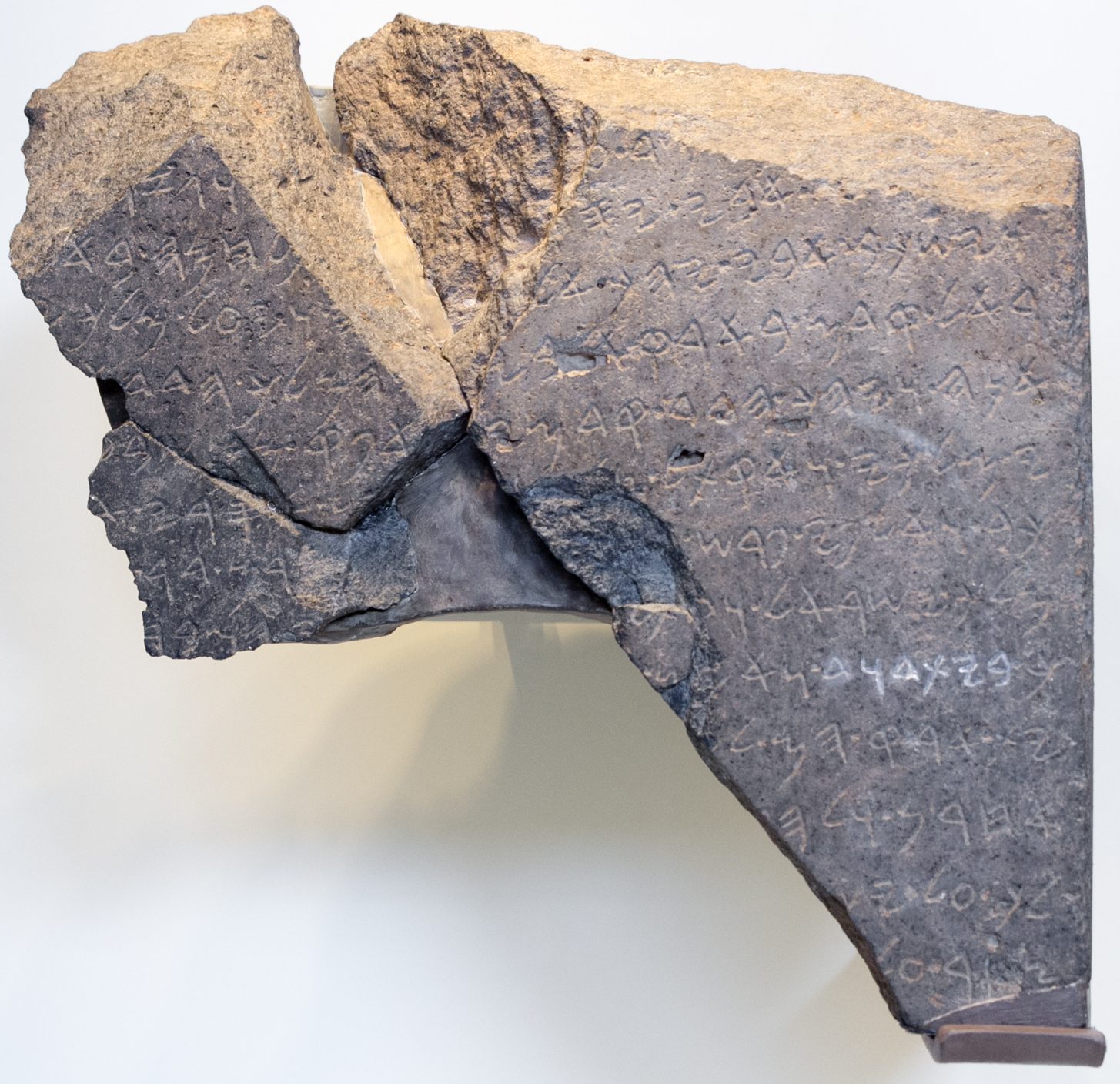 Tel Dan: The Enemy's Witness
Tel Dan supplies a hostile witness, widely read as naming the House of David, while the page keeps the reading's live scholarly objection in view.
Tel Dan: The Enemy's Witness
Tel Dan supplies a hostile witness, widely read as naming the House of David, while the page keeps the reading's live scholarly objection in view.
-
4
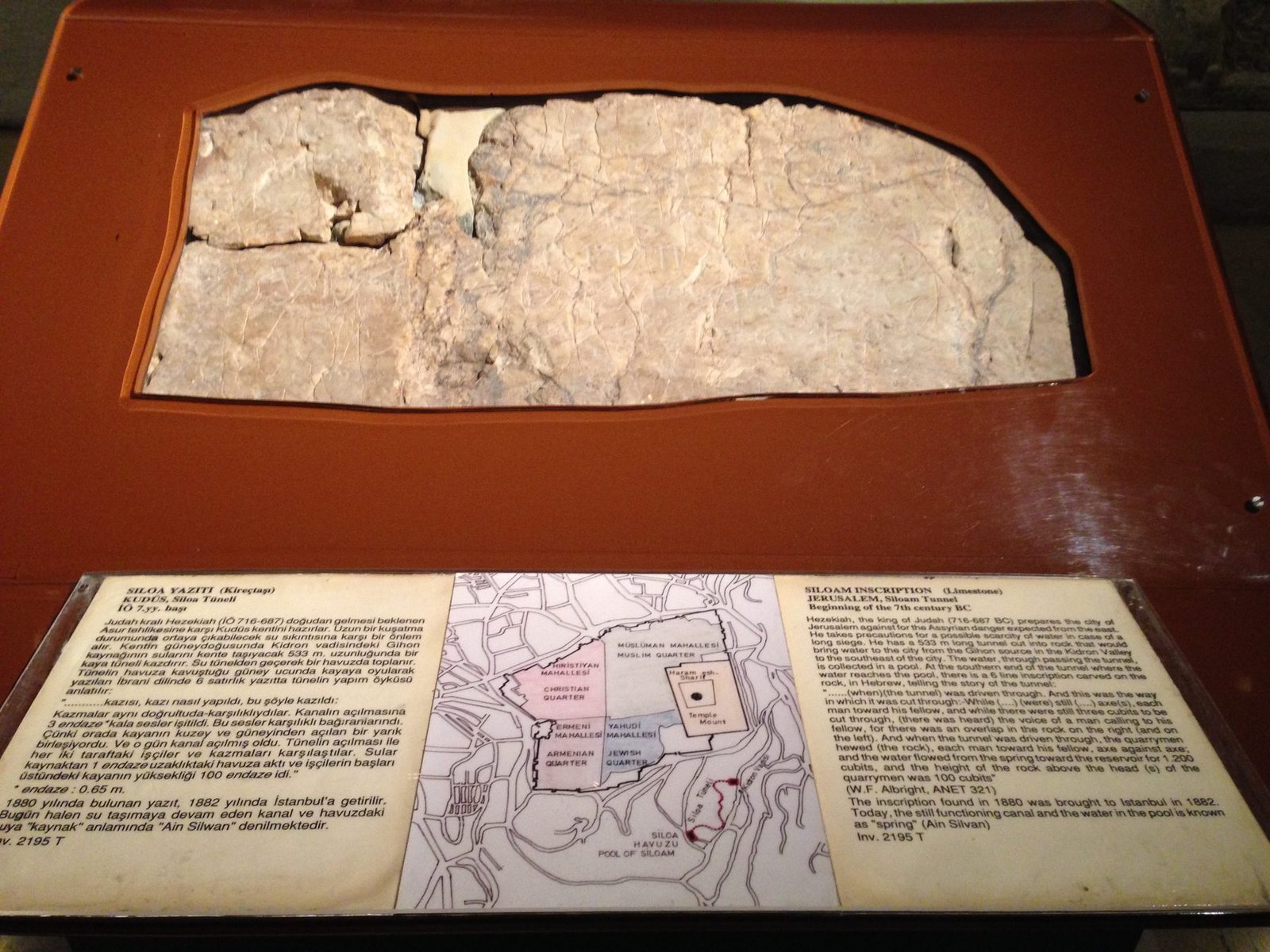 The Tunnellers' Boast
At Siloam, a workers' inscription makes infrastructure speak in its own first-person plural.
The Tunnellers' Boast
At Siloam, a workers' inscription makes infrastructure speak in its own first-person plural.
-
5
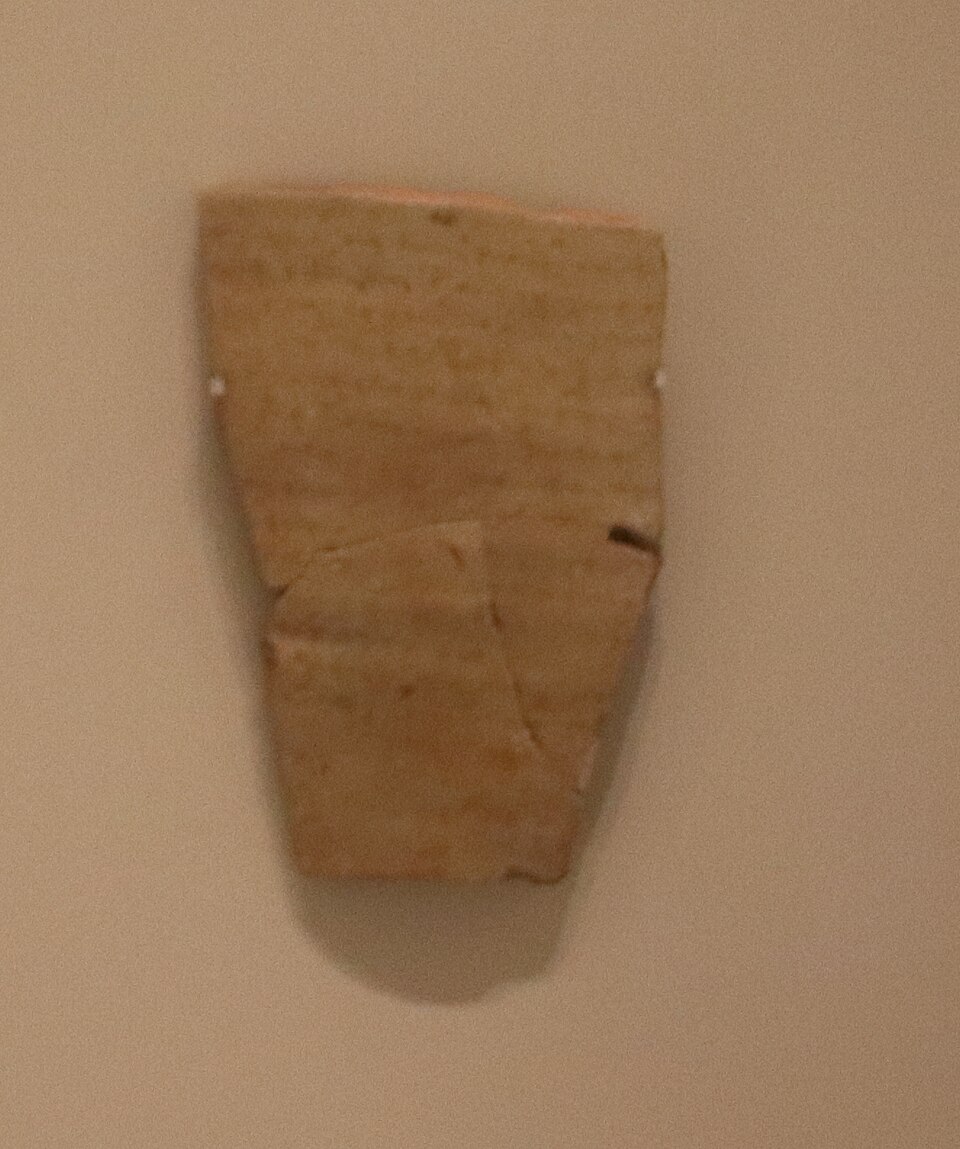 Letters from a Burning Country
The Lachish letters bring the camera down to hurried local correspondence as the signal fires disappear.
Letters from a Burning Country
The Lachish letters bring the camera down to hurried local correspondence as the signal fires disappear.
-
6
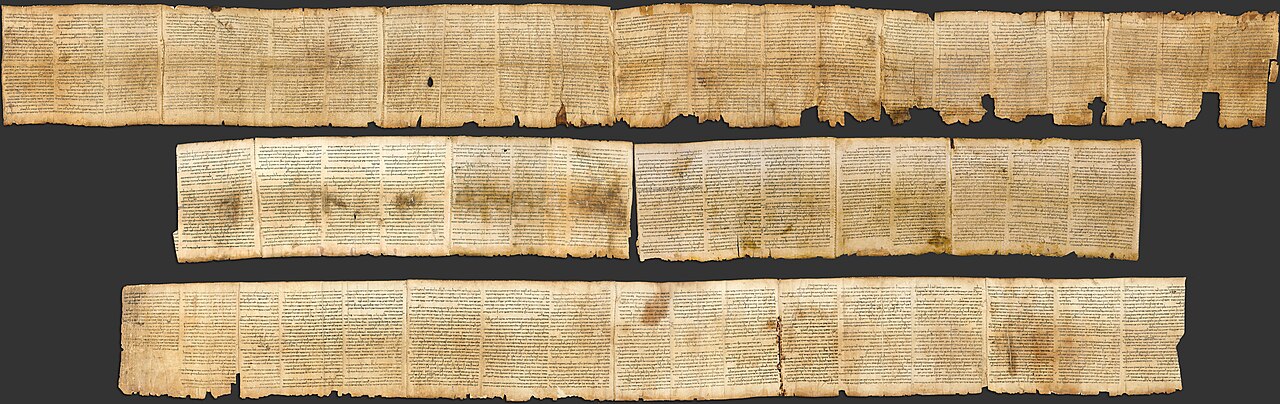 A Dead Sea Scroll Fragment
A Dead Sea Scroll lets a text meet a later manuscript tradition without pretending that one fragment proves everything.
A Dead Sea Scroll Fragment
A Dead Sea Scroll lets a text meet a later manuscript tradition without pretending that one fragment proves everything.
-
7
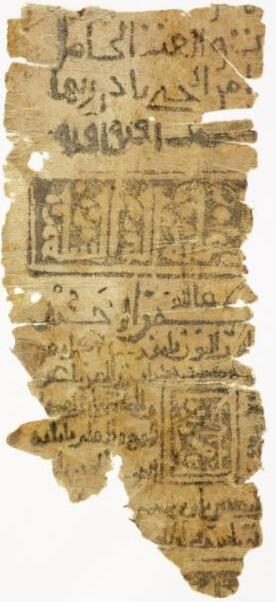 The Rylands Genizah Fragments
Rylands fragments show how dispersed paper can still recover merchants, petitioners and city life.
The Rylands Genizah Fragments
Rylands fragments show how dispersed paper can still recover merchants, petitioners and city life.
-
8
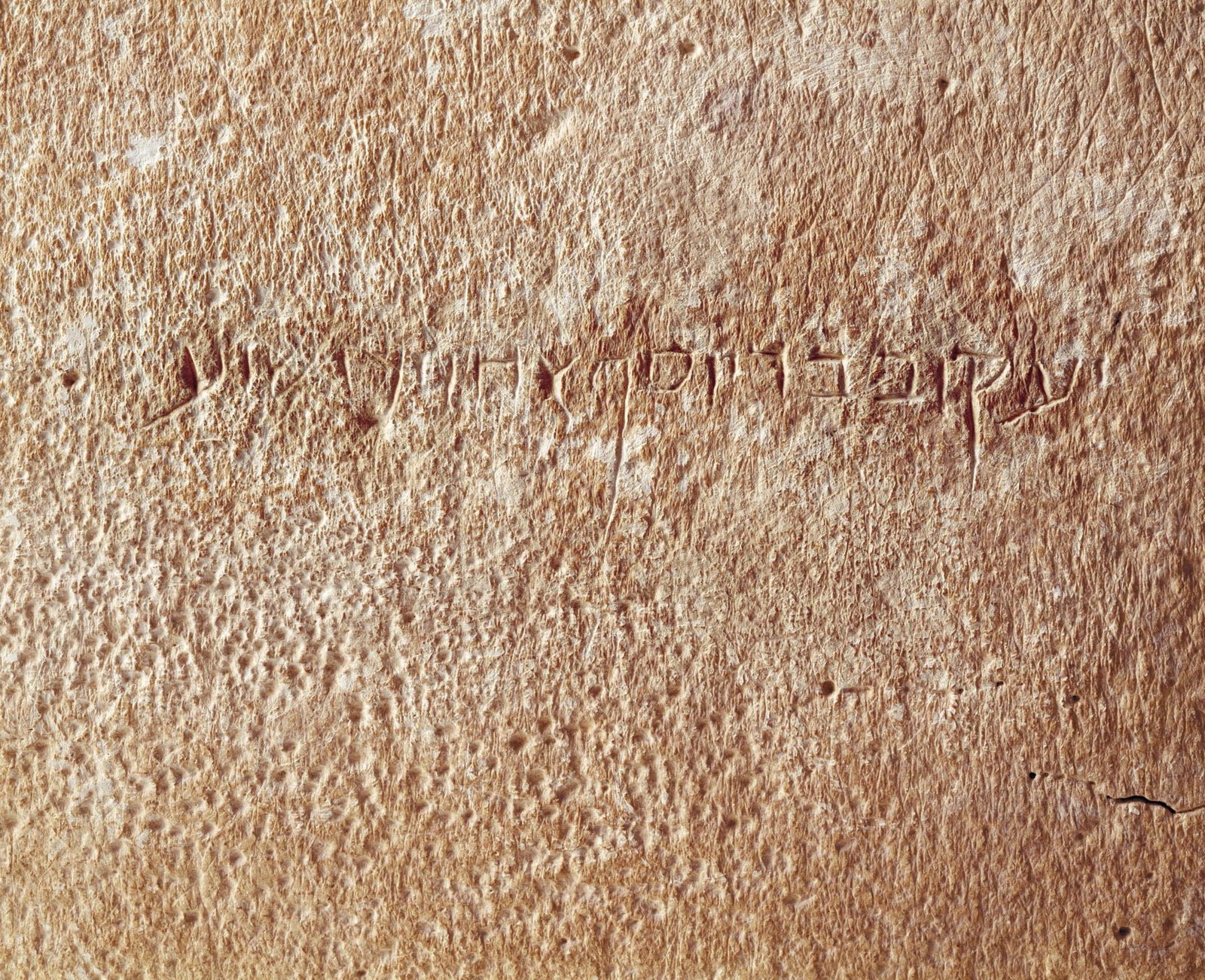 Forgery Debates, and How We Test Them
Forgery debates close the route by making provenance, patina, language and context part of the pleasure of a real object.
Forgery Debates, and How We Test Them
Forgery debates close the route by making provenance, patina, language and context part of the pleasure of a real object.
The path stays here. Walk it again whenever you want.
For teachers: a free downloadable lesson pack built on this journey's evidence.