Florence is a city that made Jewish life feel civic without making it easy. Emancipation came in the 19th century, the old ghetto was levelled, and the community later built a great synagogue that still dominates the skyline of memory.
The result is one of Italy's most visible Jewish urban stories.
From ghetto to emancipation
The Jews of Florence have been present for centuries, but modern civic life only became possible after emancipation in 1848. That change made the construction of a great synagogue possible and gave the community a more public address.
Florence matters because it shows the move from constrained residence to architectural confidence.
A monumental synagogue in the emancipation era
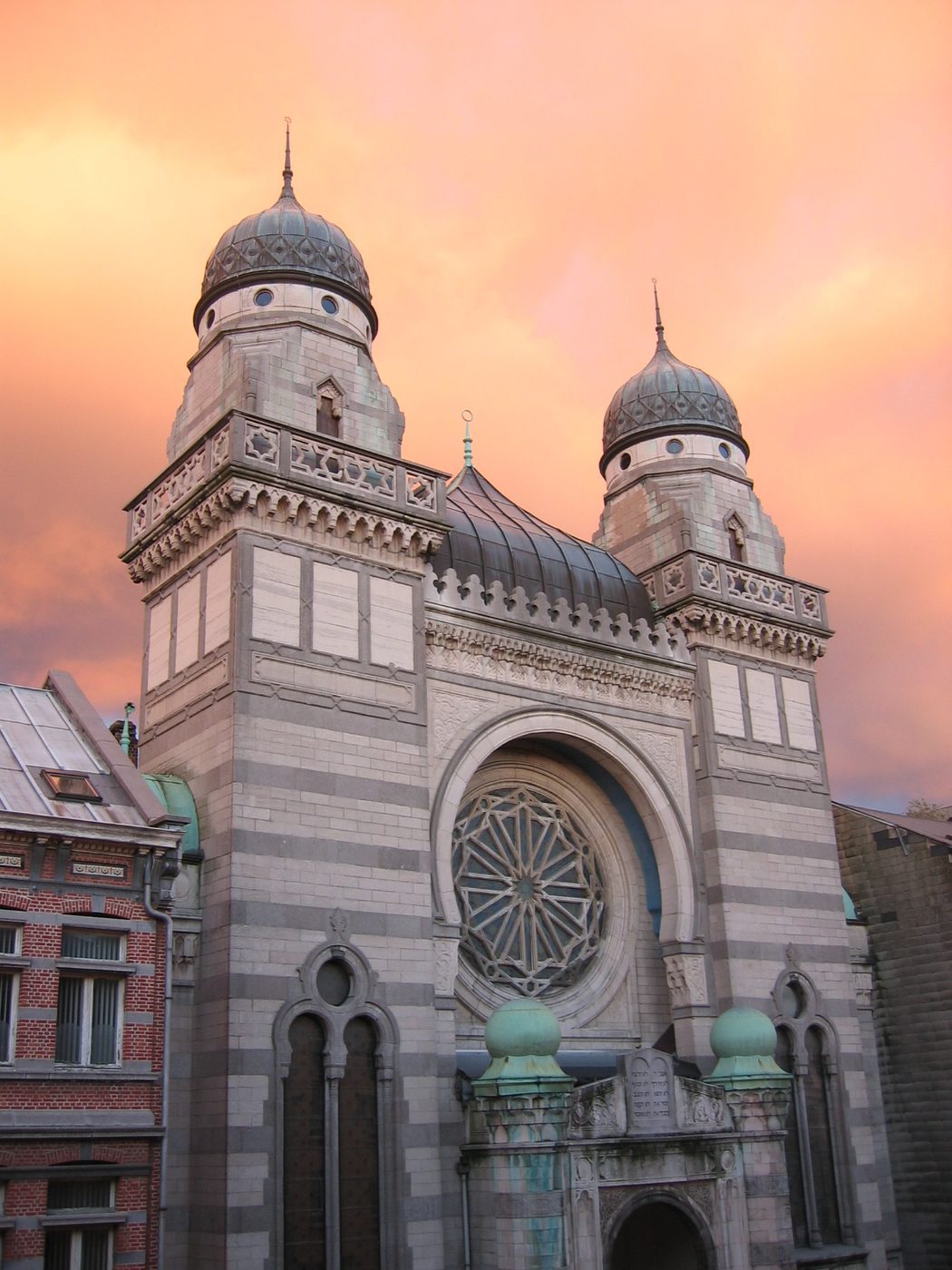
Completed in 1882, the Great Synagogue of Florence is one of the largest synagogues in south-central Europe. It stands as a product of emancipation and community ambition, and it still shapes how the city sees its Jewish presence.
Great Synagogue of FlorenceWar, flood and restoration
The synagogue was damaged during the Second World War and later by the 1966 flood, then restored again. The building's survival mirrors the community's own persistence.
Florence is useful here because it keeps the story of Italian Jewish life in the register of city-building rather than loss alone.
The ghetto disappears and the community expands
In 1848, the Jews of Florence gained civic rights and the ghetto was abolished. That legal change made the later synagogue project possible and set the city on its modern communal course. The walls came down before the dome went up.
History of the Jews in Florence; Great Synagogue of FlorenceA city that learned to build
Florence matters because it turned legal equality into something visible.
Its synagogue is not decorative. It is a municipal fact with a dome.