Brussels is one of those cities that quietly accumulates Jewish institutions until the map admits the obvious. The capital holds a large part of Belgium's Jewish life, and the rest runs through Antwerp beside it.
The result is a city that is both political capital and community home.
A capital, not a backdrop
Brussels's Jewish life is tied to immigration, commerce and the city's status as a capital. Refugees and workers made the community larger, and the institutions followed them.
What is distinctive is not scale alone. It is the way the city keeps a Jewish public sphere visible in the heart of European administration.
A main synagogue in the capital
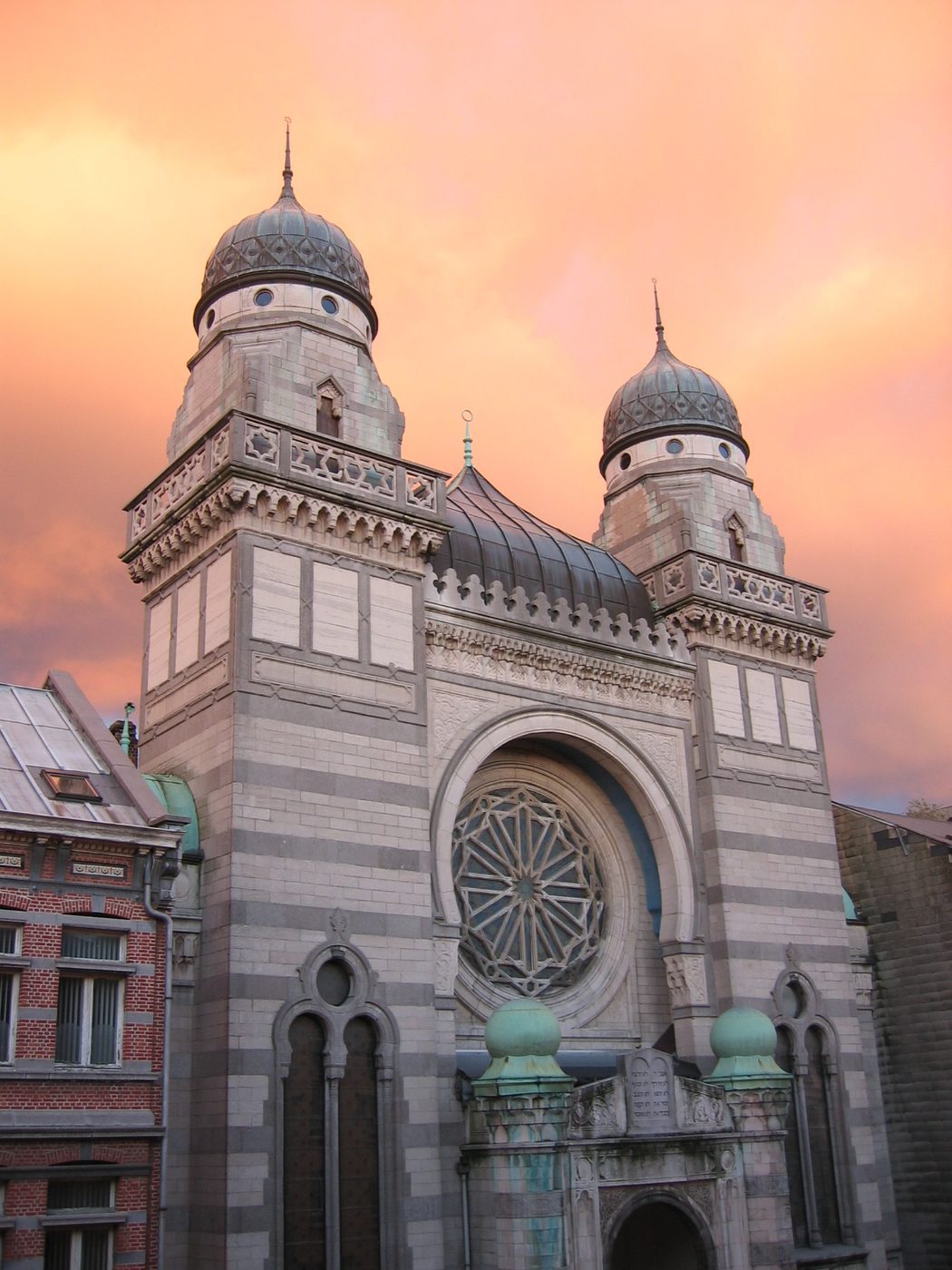
The Great Synagogue of Brussels, later the Great Synagogue of Europe, was completed in 1878 and remains one of the city's key Jewish landmarks. Its survival after the Holocaust and its later symbolic title make it more than architecture. It is a civic statement in stone.
Great Synagogue of EuropeThe city after war and migration
Belgium's Jews were devastated by the Holocaust, and Brussels rebuilt its communal life in the postwar decades. The city also absorbed later migration and remained a centre of Jewish public life in a country with a dual capital-and-port logic.
Brussels matters because it lets the atlas show Jewish life inside government, not outside it.
A second centre in the capital
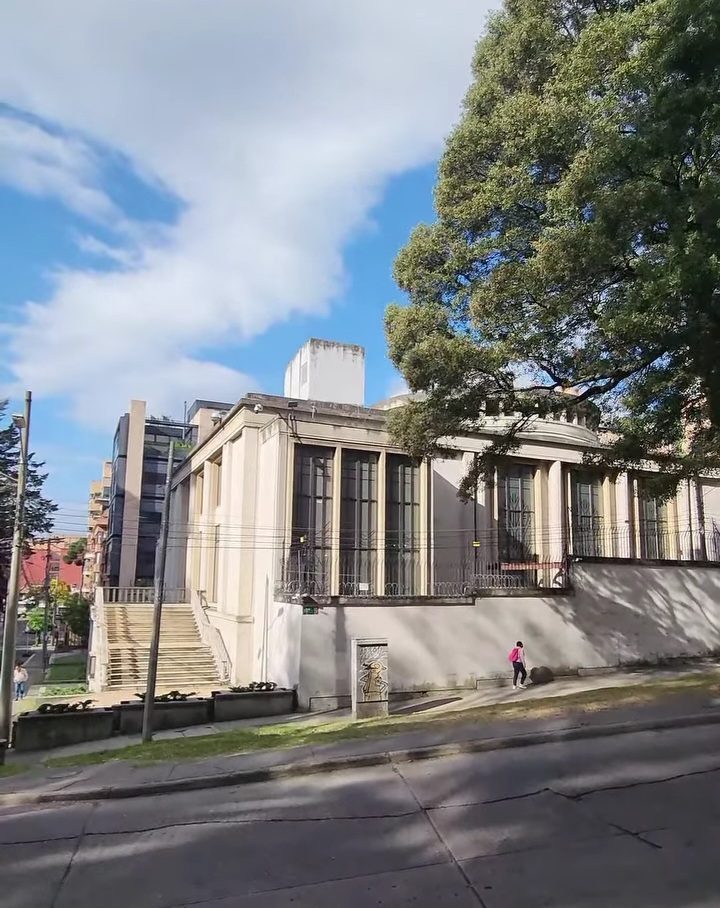
The Synagogue of Anderlecht, completed in 1933, became the main synagogue of Brussels's Orthodox community. Together with the Great Synagogue, it shows how the city developed more than one Jewish address. Brussels is not one room. It is a cluster of them.
Synagogue of AnderlechtGovernment city, Jewish city
Brussels proves that a capital can be a proper Jewish city without becoming sentimental about it.
It just has to let its communities build.