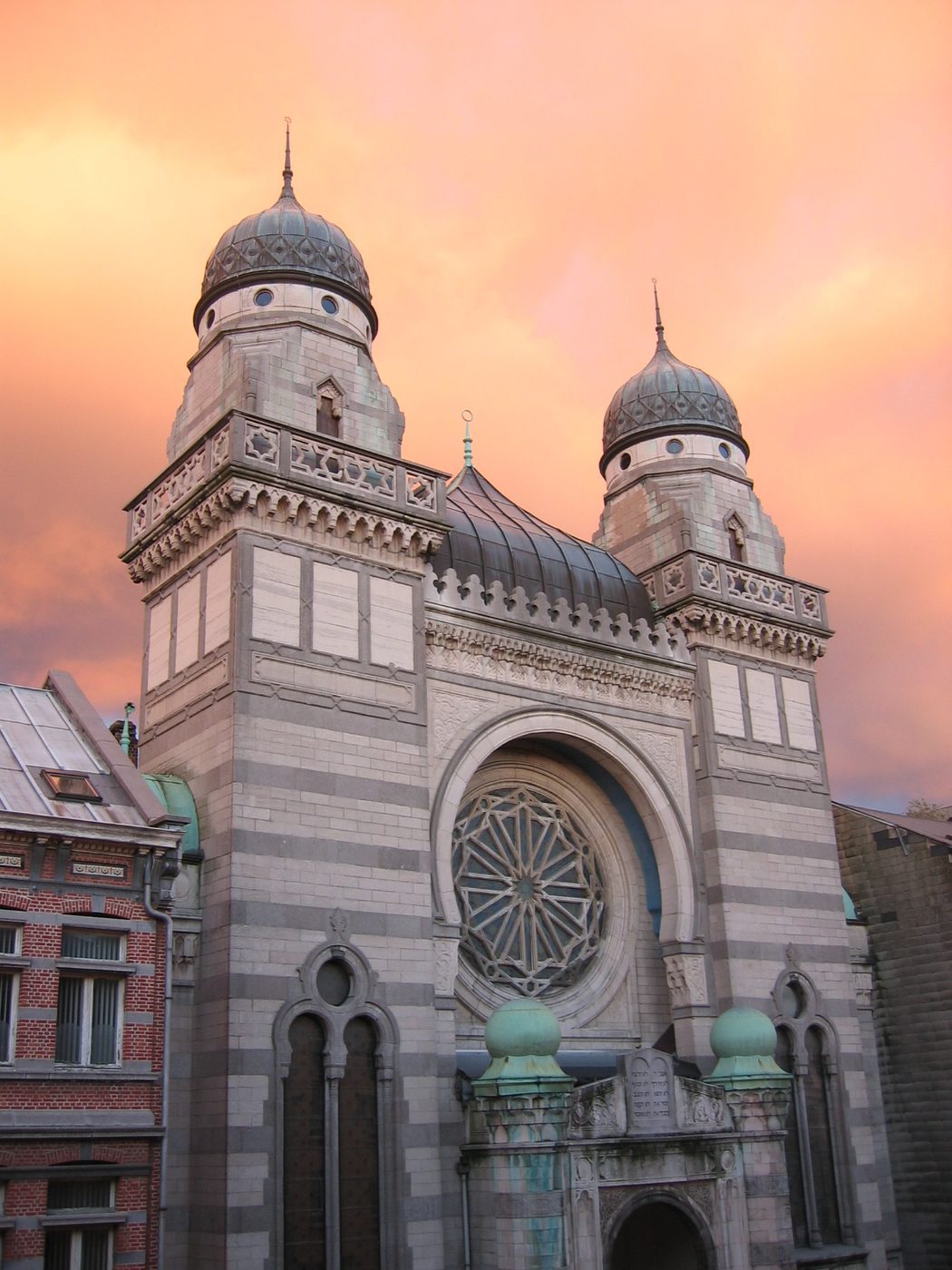
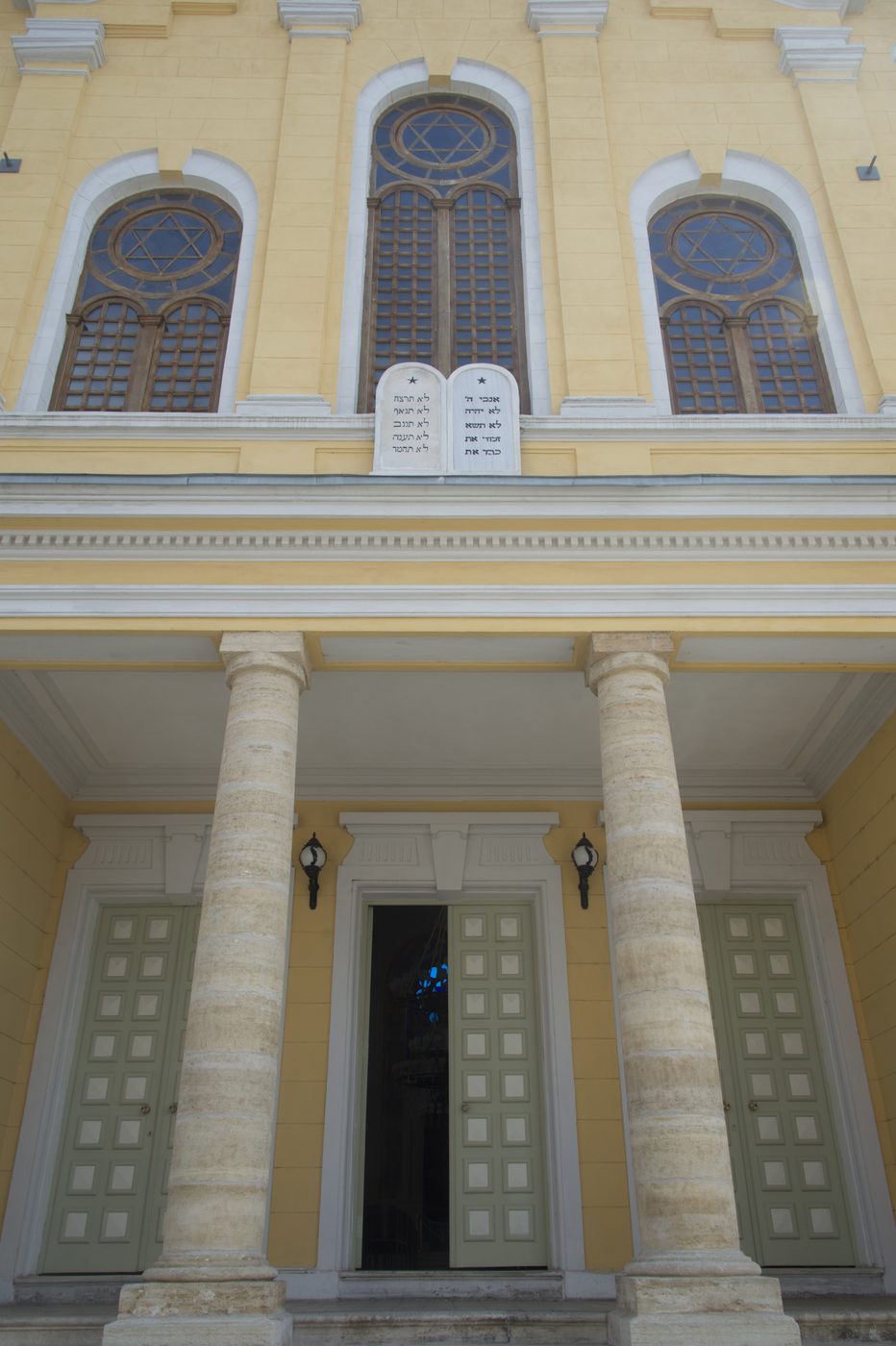
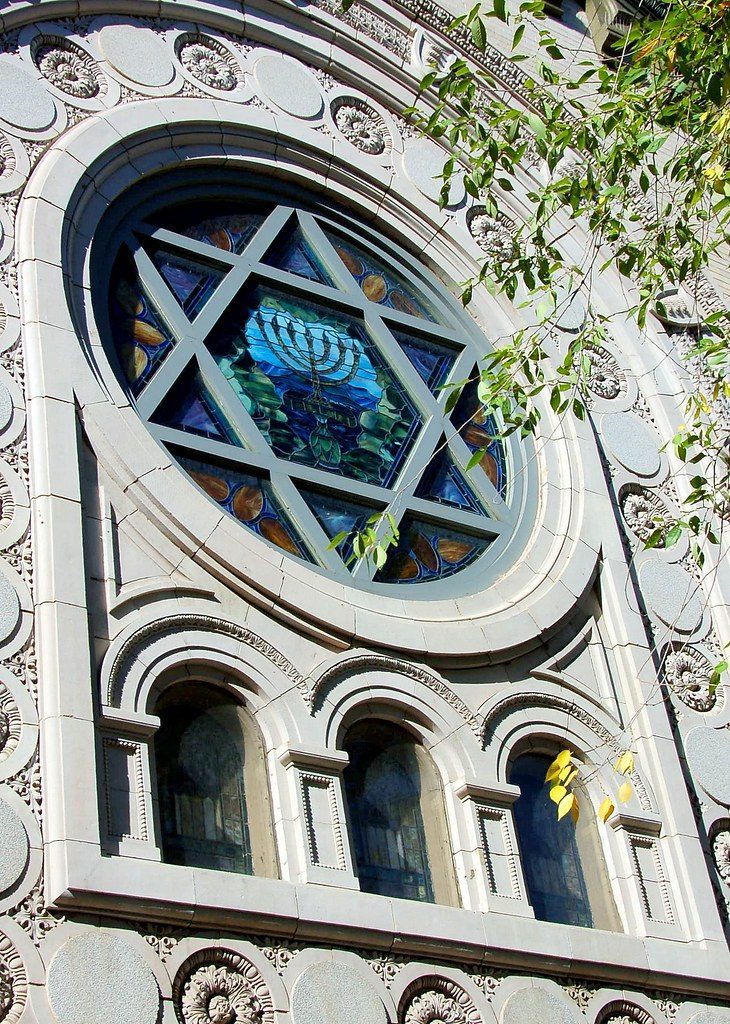
Chufut-Kale rises above Bakhchysarai in Crimea, and its name has long carried the memory of Karaite settlement. The town is less a village than a carved argument for survival.
Karaites lived there in a durable community whose houses, synagogues, and burial grounds still speak from the rock.
A Karaite world in stone
The town housed a strong Karaite population and served as one of the central points of Crimean Karaite identity. Its cliff architecture and cemetery keep that world legible even after the community thinned.
Stone here is not metaphor. It is the room.
The Karaite settlement at Chufut-Kale
Chufut-Kale supported a long-lived Karaite community in the Crimean highlands. The cliff-top houses and burial landscape make it one of the clearest surviving Jewish-built environments in the region.
Crimean Karaite studies; local museum historySurvival in the open
Unlike many hidden communities, the Karaites of Chufut-Kale left a visible urban and funerary landscape that scholars could study in the open. That visibility is part of the town’s importance.
The community was enclosed by geography, but never fully by silence.
What a wall could not always guarantee, the cliff and the carved town did.
Chufut-Kale is a cliff that learned the language of a community.language of a community
The town becomes a study site
By the modern period Chufut-Kale had become a major object of scholarly and antiquarian interest, precisely because its Karaite remains were so visible. Preservation work later turned the cliff town into an indispensable reference point for Crimean Jewish history.
Museum and scholarly publicationsA town cut from rock
Chufut-Kale survives because the rock refused to let the memory vanish.
That is a decent bargain for any community.