Klezmer gets remembered as nostalgia, all sepia and sighing, and that is a slander on a hard-working trade. It was a job. The klezmer was the man you hired to run the emotional weather of a wedding: to make the bride's mother cry on cue, to lift four hundred guests off their chairs, to play the in-laws into the same room as each other and keep them dancing long enough to forget why they had quarrelled. The clarinet laughs with a catch in its throat. The fiddle weeps without ever letting the feet stop. None of that is accident. It is craft, learned at someone's elbow, passed down by ear, and it carried a whole civilisation's idea of how joy and grief are supposed to share a table.
The name tells you it was always a humble word for a high art. Klezmer is a contraction of two Hebrew words, kli zemer, meaning instrument or vessel of song. In Yiddish it came to mean first the musician and then, much later and mostly in America, the music itself. For most of its history nobody who played it called it klezmer the way we do. They called it playing for a wedding, which is the truest description anyone has managed.
The players were a guild and a class apart. The Ashkenazi musician travelled, played for Jew and gentile alike, picked up the dance tunes of every village he passed through, and was looked at a little sideways by respectable society for the loose hours and the wandering. He also held in his hands the modes of the synagogue, the cantorial ornament, the freygish scale that gives the music its particular ache, and a memory for melody that no one had written down. He was disreputable and indispensable at once, which is a combination Jewish communities have always known how to use.

A grammar of feeling
What makes klezmer recognisable in three notes is not an instrument but a vocabulary of ornament. The krekht, the sob, a short broken catch in the line. The kvetsh, the squeezed bend up to a note. The glitsh, the slide. These are not decoration laid on top of a tune; they are the tune's grammar, the way a good cantor's grief is built into the prayer rather than added to it. The clarinet, which only really took over from the fiddle in the twentieth century, turned out to be supremely good at all three, which is why most people now hear klezmer as a clarinet music even though for most of its life it was a fiddle one.
The repertoire was organised by function, because the music had a job to do. There were tunes to receive the guests, tunes to seat the bride, the doina, a slow rhapsodic lament borrowed from Romanian shepherds and made unmistakably Jewish, and then the dances: the bulgar, the freylekhs, the sher, the hora, the terkisher. A wedding was a long evening, and the band steered it like a boat, from the tears of the badekn, the veiling of the bride, through to the small hours of dancing. You did not request a song. You moved when the music told you to.
It was always a borrowing music, and it never apologised for it. The klezmer took the bulgar from Bessarabia, the doina from the Romanians, brass shapes from military bands, and later ragtime and swing from the American street, and ran every one of them through the same Jewish accent until it came out belonging to nobody else. That is not dilution. That is exactly what a diaspora music is supposed to do, and klezmer did it with more appetite than most.
The music of the Pale
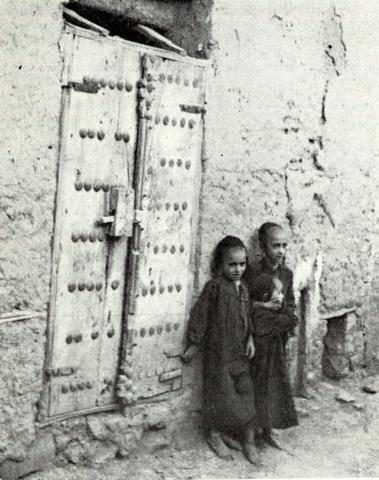
Klezmer as we know it took shape among the Yiddish-speaking Jews of eastern Europe, concentrated in the Russian Empire's Pale of Settlement and the lands of Galicia, Bessarabia, Podolia and Ukraine. The musicians played for Jewish weddings and also for gentile celebrations, absorbing the regional dance music of every people they lived among. The kapelle was a family trade, passed from father to son, and the tunes travelled by ear rather than in print.
Pale of Settlement, eastern EuropeAcross the water
The great Jewish migration that carried more than two million eastern European Jews to America between the 1880s and the 1920s carried the klezmer too. On the Lower East Side the music met the recording studio, the dance hall and the Yiddish theatre, and it changed. The clarinet stepped forward. Brass and drums came in. The doina was recorded for a public that would never see a Bessarabian wedding. For a couple of decades the music was a commercial success on its own terms, sold on 78s with the rest of the era's popular sound.
Then it nearly went silent. The American-born generation wanted to dance to swing, not freylekhs. The Holocaust destroyed the eastern European world that had made the music and most of the people who carried it. By the 1950s klezmer was something grandparents had played, half remembered, slightly embarrassing, a sound from a country that no longer existed in any form you could visit.
The clarinet takes over
In the United States the recording industry caught klezmer at the moment the clarinet displaced the fiddle as its lead voice. The Galician-born Naftule Brandwein and the Ukrainian-born Dave Tarras recorded extensively in New York in these decades, their playing preserved on 78rpm discs that later became the textbooks of the revival. Tarras kept performing into the 1970s and taught the young players who brought the music back, which is why the modern tradition descends so directly from his recorded sound.
Brandwein and Tarras, New York recordingsThe music that would not stay buried
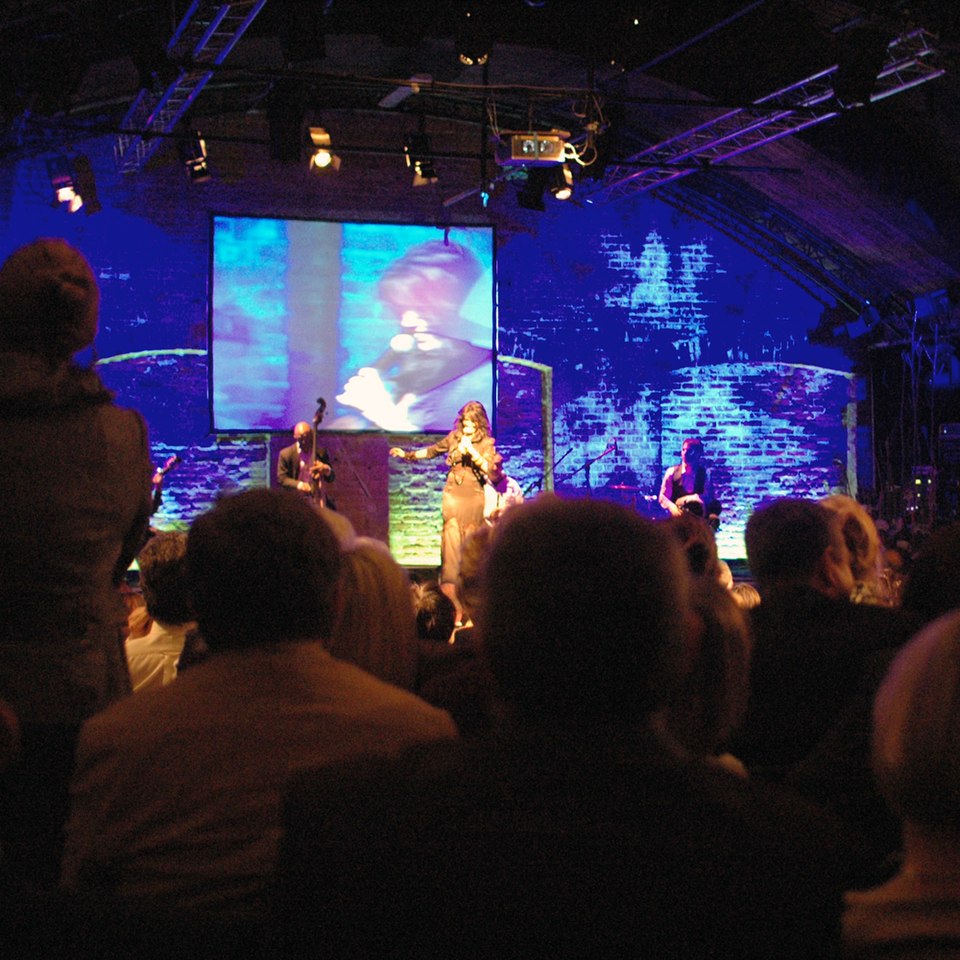
In the 1970s a handful of young American musicians went back to the old 78s, sought out the surviving masters, and started to play the music again on purpose. What began as careful revival turned into something with its own momentum: bands that fused klezmer with jazz, punk, the avant-garde and contemporary art music; festivals from Berlin to Krakow to Tel Aviv; klezmer taught in conservatoires and danced in fields. The world that produced the music was gone. The music was not. It turned out to be one of those Jewish things that buries beautifully and then declines to remain in the ground.
There is a lesson in that, and it is the opposite of nostalgia. Klezmer did not survive by being preserved under glass. It survived by being useful, by being borrowed and bent and argued with, by being a living trade for living players. A wedding band three centuries old, still hired, still steering rooms from tears to dancing. The mother of the bride still cries on cue. The feet still refuse to stop.
It was never a museum piece pretending to be alive. It was working music, and it went back to work.
Further reading