Winnipeg sits where the Red and Assiniboine rivers meet, in the cold flat middle of a continent, and in the late nineteenth century it was the gateway through which the whole Canadian West was settled. The trains stopped here, and so did a great many Jews. They came mostly from the Russian Empire, fleeing the pogroms of the 1880s, and they piled into the North End beside the rail yards. What they did next is the part worth telling. They did not wait to feel settled before they built. They built first, and felt settled afterward.
Within a few years of arriving in numbers, the immigrants of Winnipeg had a synagogue with a proper architect and a stone building. That instinct, to turn arrival straight into institution, is the through-line of the city's whole Jewish story.
The North End and the gates of righteousness
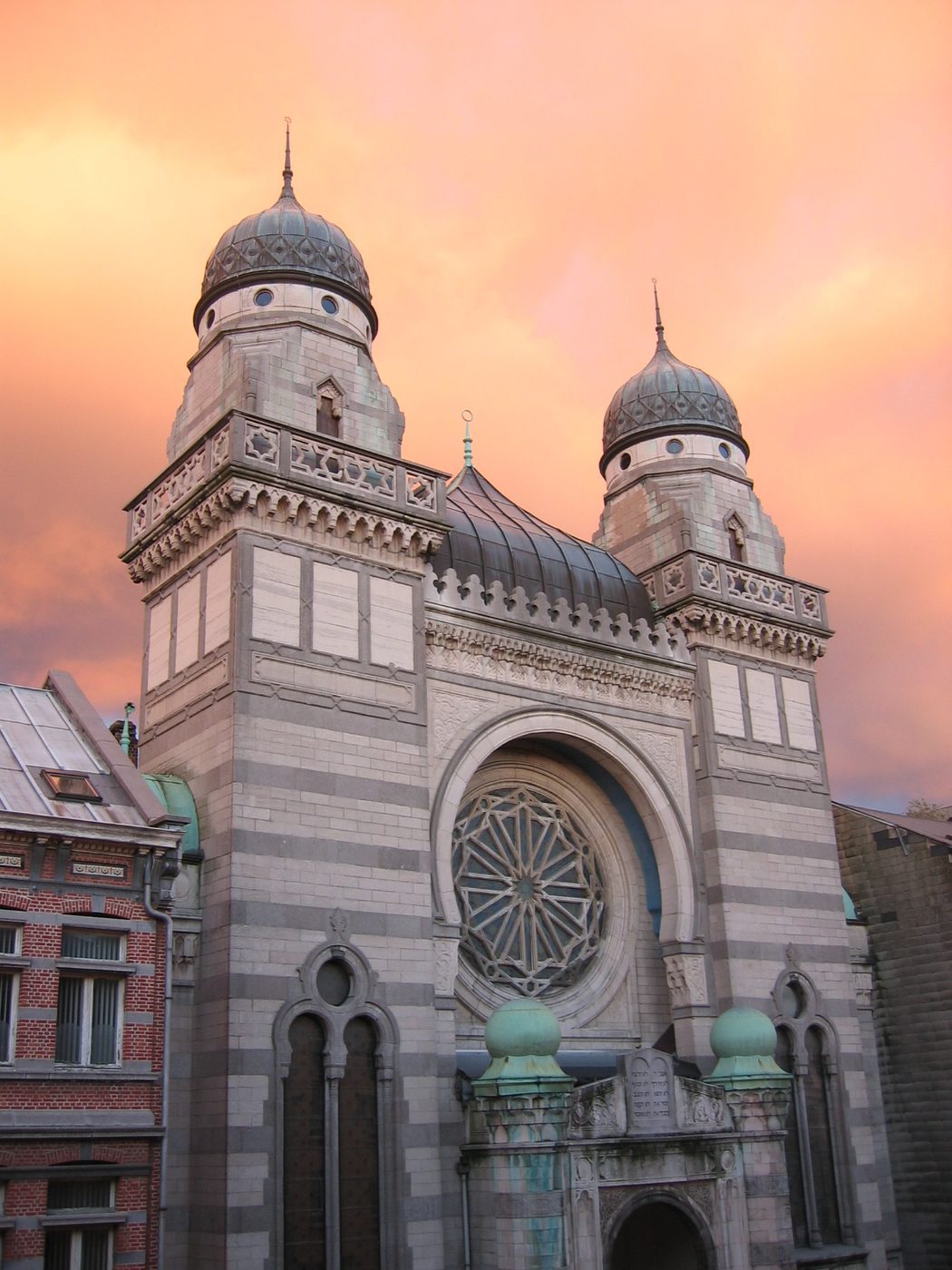
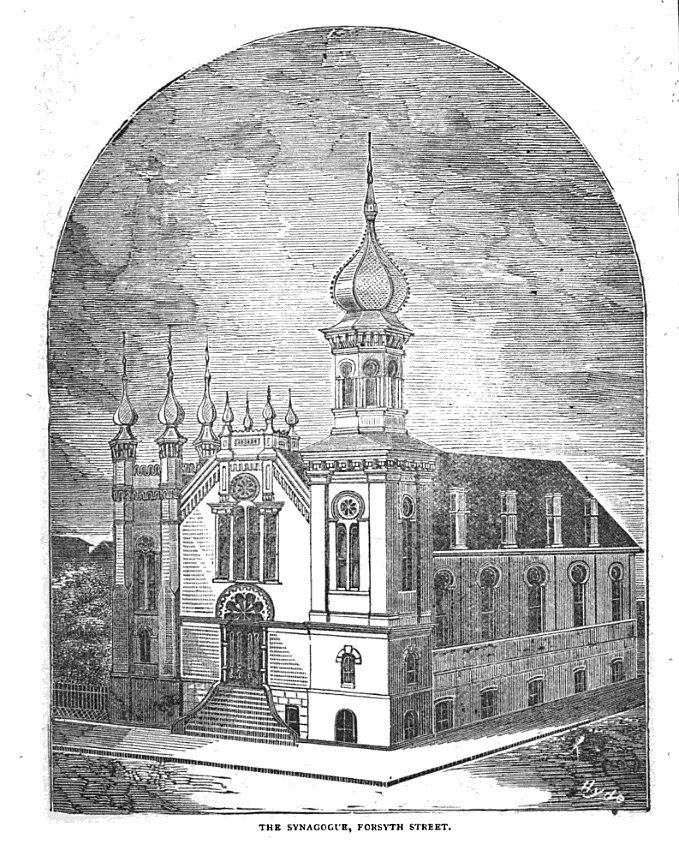
The first Jewish settlers gathered in the early 1880s, and in 1887 the community bought a plot at King and Common streets to build on. They hired the architect Charles H. Wheeler, completed the building in 1889 and consecrated it on 20 March 1890 under the name Shaarey Zedek, the Gates of Righteousness. It was the first permanent Jewish house of worship in the city and remains the oldest congregation in Winnipeg.
It went up just in time. The Jewish population of Winnipeg was 645 in 1891 and had nearly doubled to 1,156 by 1901, and it kept climbing as the great migration out of the Russian Empire poured into the prairie. The North End filled with Yiddish, with garment work and small trade, with mutual-aid societies, schools and shuls. Winnipeg became, for its size, one of the most intensely Jewish cities in North America, a place where you could live a whole life in Yiddish if you wanted to.
The first synagogue is built and consecrated
Winnipeg's Jewish community bought land at King and Common streets in 1887, built a synagogue to plans by the architect Charles H. Wheeler, and consecrated it as Shaarey Zedek on 20 March 1890. It was the city's first permanent Jewish house of worship and is the oldest synagogue congregation in Winnipeg.
Manitoba Historical Society; Congregation Shaarey Zedek, WinnipegFrom the rail yards to Wellington Crescent
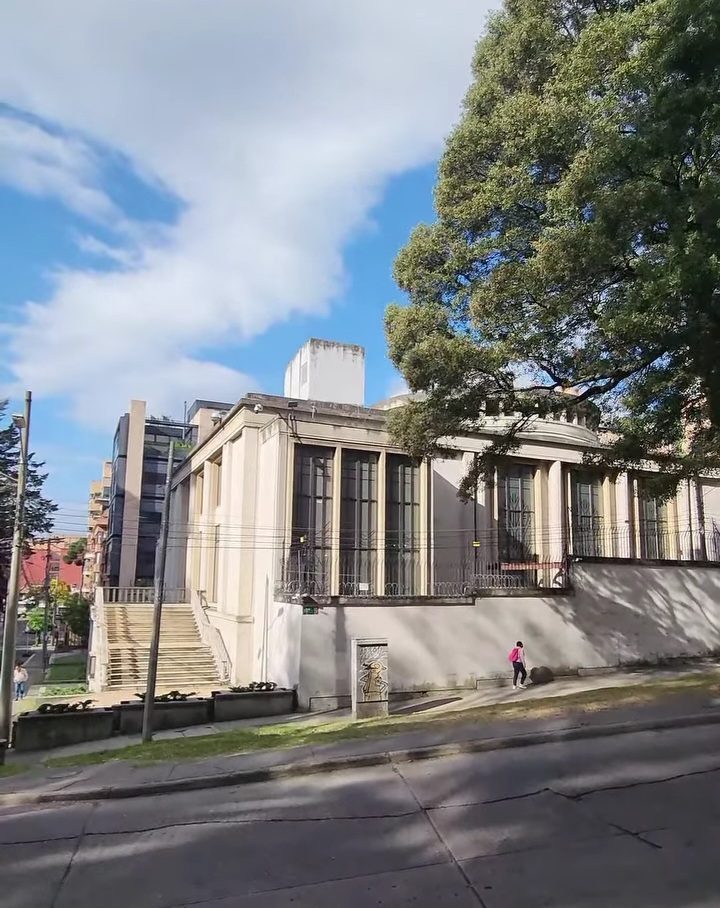
A community that begins beside the rail yards and ends with a riverside temple has travelled a recognisable North American road, and Winnipeg's Jews travelled it without losing the thread. As the congregation prospered it moved across the city, and in 1950 it opened a long, low, grey-stone building on Wellington Crescent overlooking the Assiniboine, with stained glass by the sculptor Leo Mol. The move from the immigrant North End to the riverbank was not a forgetting. It was the same congregation, sixty years on, still building.
Winnipeg also reached out onto the land. In the 1880s and after, Jewish agricultural colonies were planted across the prairies, an experiment in Jewish farming that left its mark on western Canadian Jewish memory even where the farms themselves did not last. The city was the hub; the colonies were the spokes. Together they made Winnipeg the capital of Jewish western Canada.
They did not wait to feel settled before they built. They built first, and felt settled afterward.
The temple on the river
Shaarey Zedek's current building, on Wellington Crescent overlooking the Assiniboine, was built through 1949 and dedicated on 7 October 1950, with stained-glass windows by the artist Leo Mol. The move from the immigrant North End to the riverbank marked the congregation's passage from arrival to establishment.
Winnipeg Architecture Foundation; Manitoba Historical SocietyWhat Winnipeg now holds
In time the city did the most Winnipeg thing of all and built an institution to remember its institutions. The Jewish Heritage Centre of Western Canada, which houses the Jewish Museum of Western Canada and the regional archives, turned the immigrant story into a curated public record rather than a fading family memory. The synagogue and the museum now work in tandem: one keeps the faith, the other keeps the files.
That is the quiet competence the prairie taught its Jews and its Jews taught back. You do not trust the next generation to remember on its own. You build something solid, you write it down, and you mind it properly through the winters. Winnipeg has minded its own story for well over a century, and it shows.
Further reading