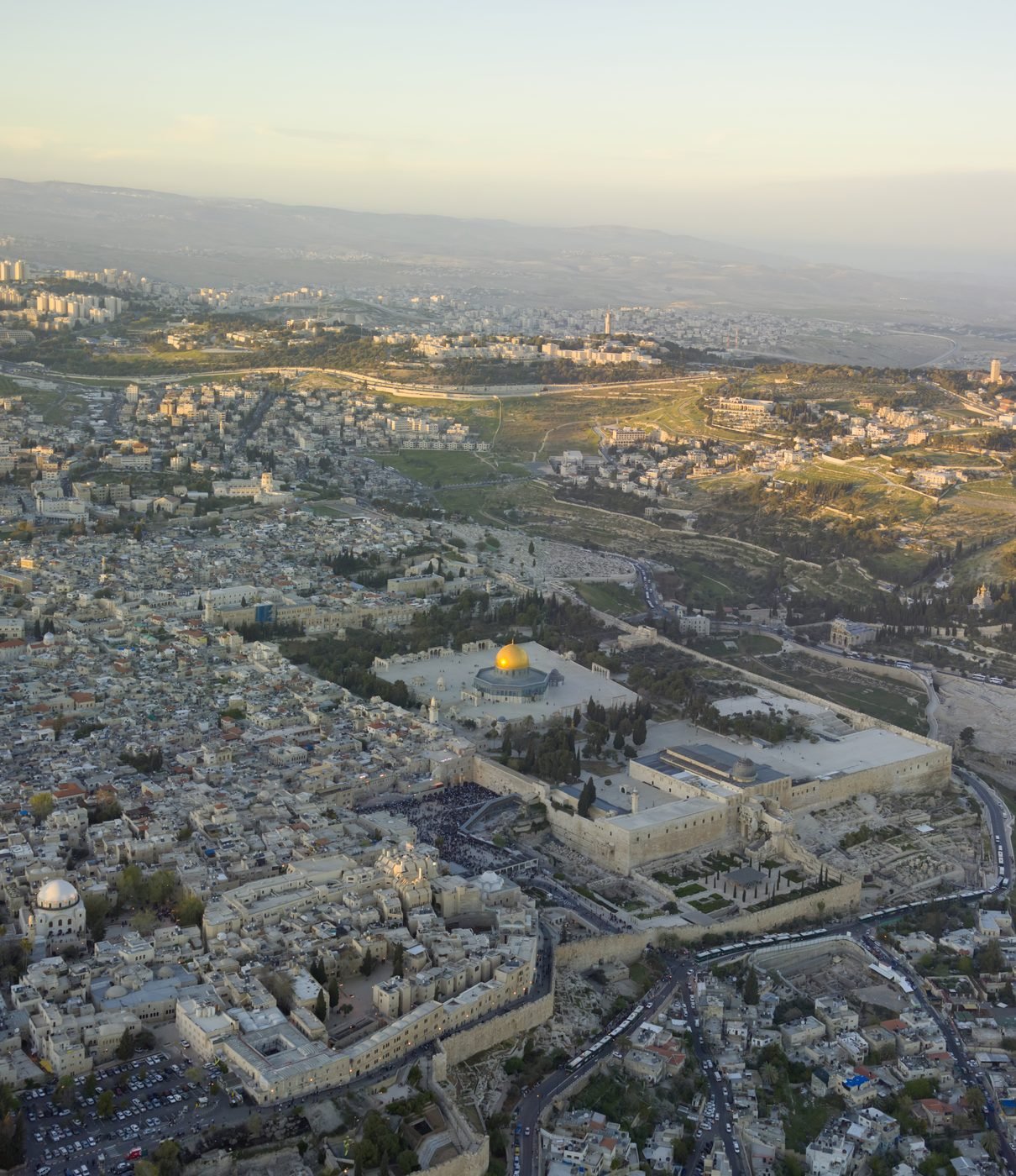
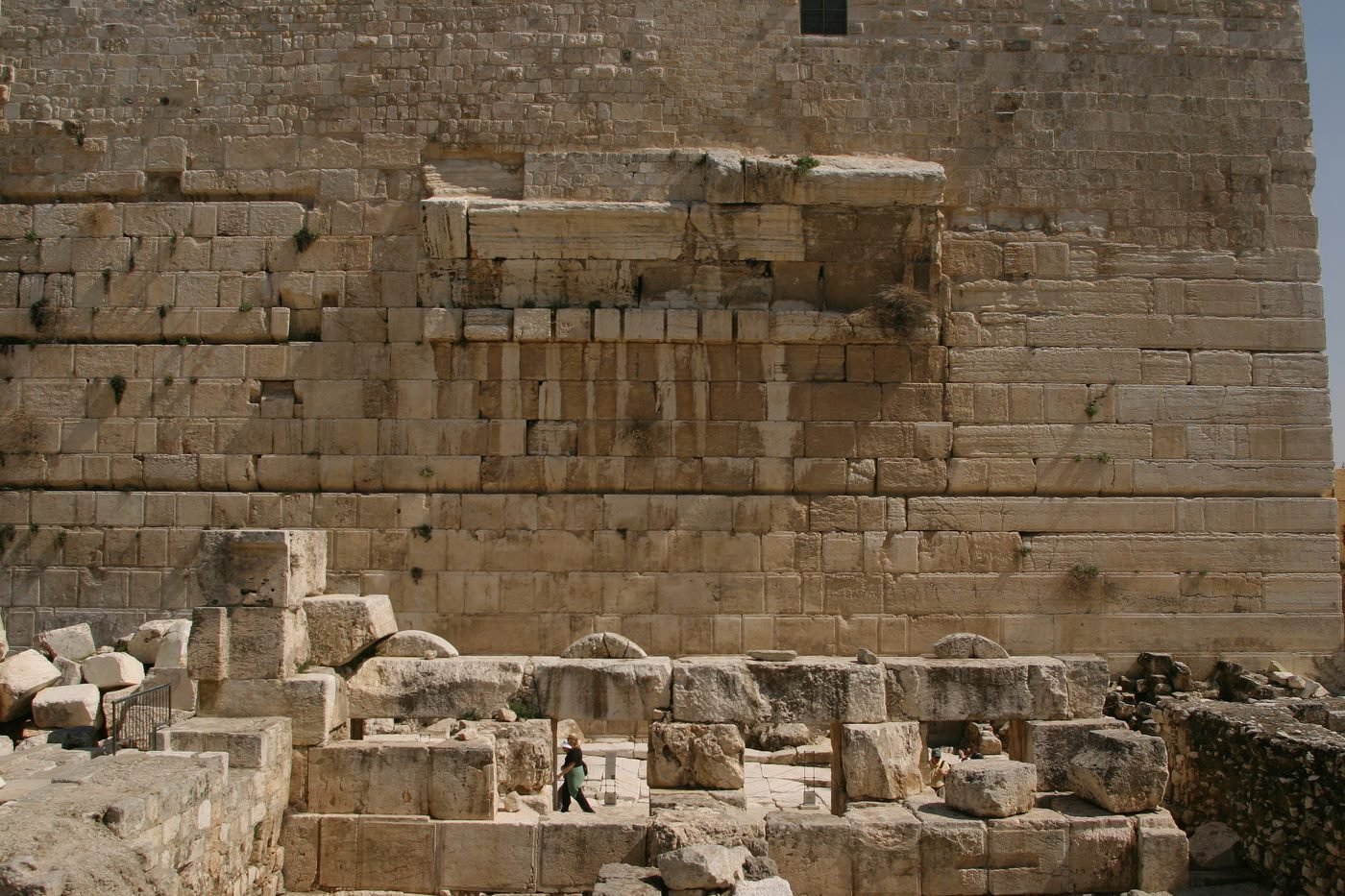
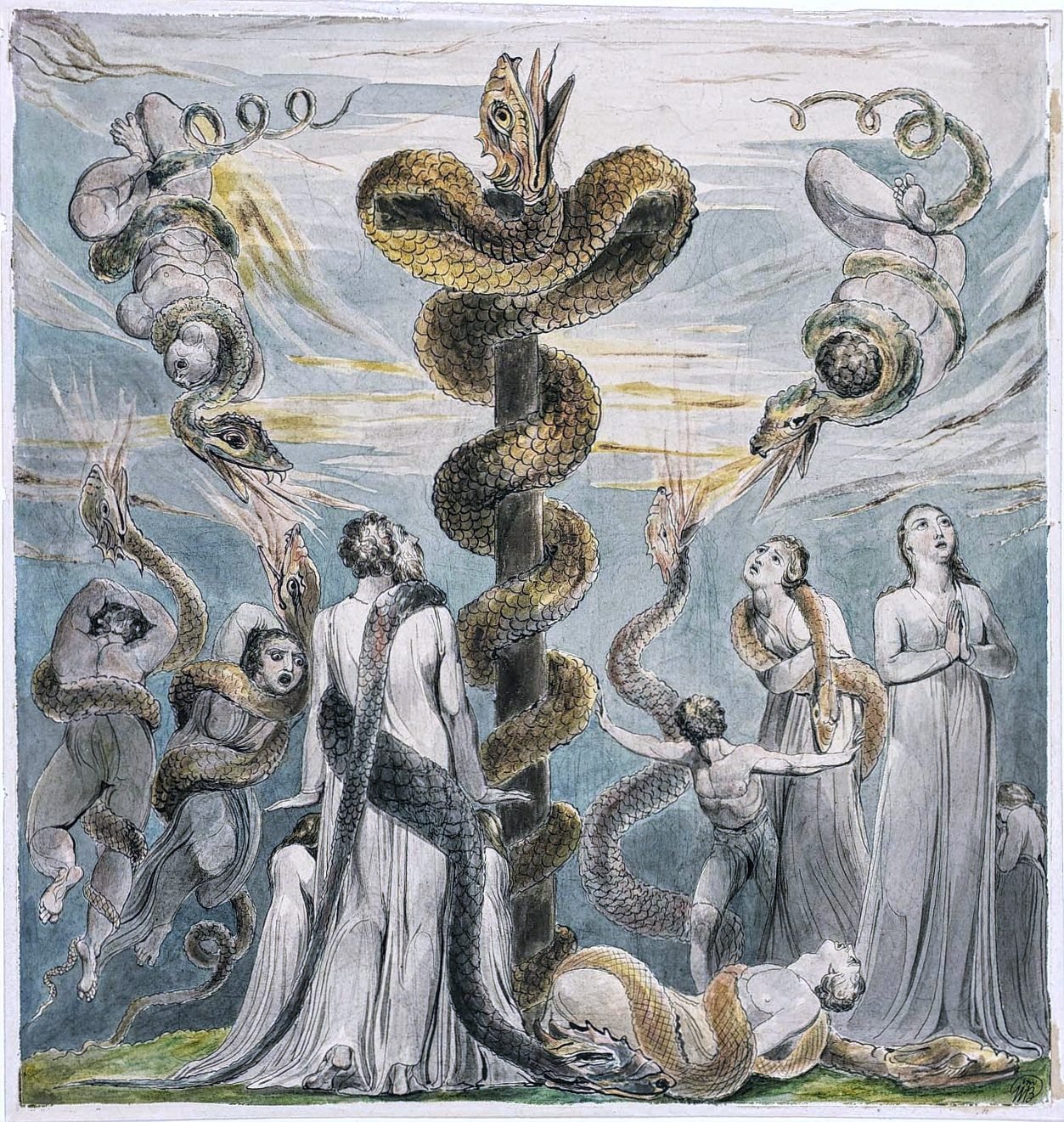
For five centuries, Jews had lived under empires that treated Jerusalem as someone else's city. Rome had razed the Temple in 70 CE, renamed the city Aelia Capitolina, and barred Jews from entering except on one day a year to mourn. Byzantium, the Christian empire that inherited Rome's eastern half, maintained the exclusion with theological conviction: Jewish presence in Jerusalem was, in their telling, a contradiction of providence. Then, in the spring of 614 CE, that arrangement collapsed in a matter of weeks.
Khosrow II, the Sasanian king ruling from Ctesiphon in what is now Iraq, had been at war with Byzantium for years, unpicking the empire's eastern frontier province by province. When his general Shahrbaraz turned toward Palestine, Jewish communities in the region saw their moment. Thousands - the sources say up to 26,000, though scholars treat the exact figure with caution - joined the Persian force. They knew the roads. They knew the walls. And they wanted in.
The record
The siege of Jerusalem in 614 CE is attested in multiple contemporary and near-contemporary sources. The Strategius of Mar Saba, a monk who witnessed the aftermath, wrote a Greek account - the "Capture of Jerusalem" (Expugnatio Hierosolymae) - describing the Persian assault and the deaths of Christians during the siege. He records the involvement of Jewish fighters alongside the Persian army and notes the subsequent Jewish role in the city's administration. The text survives in Georgian and Arabic versions and is accepted by historians including Gideon Avni (Israel Antiquities Authority) and Robert Schick as broadly reliable for the political outlines of the conquest. (Strategius, Expugnatio Hierosolymae, ca. 614-630 CE; Gideon Avni, "The Persian Conquest of Jerusalem (614 CE) - an Archaeological Assessment," Bulletin of the American Schools of Oriental Research, no. 357, 2010.)
The city fell after a siege of roughly twenty days - short by the standards of ancient siegecraft. Byzantine resistance inside the walls was overwhelmed, churches were burned, and the Patriarch Zacharias was taken captive to Persia along with the most precious relic in Christendom: a fragment of the True Cross held in the Church of the Holy Sepulchre. For Byzantium, the loss of that relic was not merely a military setback; it was a theological catastrophe, the kind that shook the imperial conviction that God stood on their side. For Jerusalem's Jewish community, the same weeks meant something else. The Persians appointed a Jewish leader - Nehemiah ben Hushiel according to some sources - to administer the city. Jewish exiles who had been barred from Jerusalem began returning. Plans, perhaps even physical preparations, were reportedly made to resume Temple service on the Mount. The details remain contested and the Persian arrangement did not last long, but the principle was unmistakable: for the first time since the Hasmonean kingdom, Jews governed Jerusalem under their own authority, however brief and borrowed it was.
The record
Archaeological work published by Gideon Avni and Gideon Stiebel has confirmed a destruction layer at several sites in Jerusalem consistent with a violent conquest event in the early seventh century - including evidence of burning and rapid abandonment. The Madaba Map mosaic (sixth century, St George's Church, Madaba, Jordan) provides a baseline map of Byzantine-era Jerusalem showing its layout before the conquest. An additional contemporary witness is Antiochus Strategos, another monk of Mar Saba, whose account of the conquest describes the deportation of thousands of Byzantine Christians to Persia and affirms Jewish cooperation with the Sasanian administration. The Hebrew inscription found at the Bet She'arim necropolis and inscriptions from this period further document active Jewish life in the Galilee, the population base from which fighters and administrators would have been drawn. (Avni & Stiebel, "New Archaeological Evidence on the Persian Destruction of Jerusalem in 614 CE," in The Sasanian Era, ed. Vesta Sarkhosh Curtis & Sarah Stewart, I.B. Tauris, 2008.)
The Jewish administration lasted perhaps three years. Around 617 CE the Persians, likely seeking to consolidate Byzantine Christian support in their occupied territories, withdrew their favour and Jewish leaders were removed from power. In 629 CE the Byzantine Emperor Heraclius retook Jerusalem entirely, and the reprisals against Jewish communities were severe. The window had closed. But the fact of its opening matters. In 614 CE the Jewish people - working with an imperial power whose motives were strategic, not sympathetic - proved they could mobilise, fight, and govern. That is not a footnote. That is the record of a people who, even in exile and exclusion, kept their hand on the door of their own city.
The coin of Khosrow II carries no Jewish symbolism. He was a Zoroastrian king fighting a Christian empire for geopolitical advantage, not to restore Jewish sovereignty. But history's alignments are rarely clean, and sometimes an empire's self-interest creates a crack wide enough for another people to step through. In 614 CE, we stepped through.