Speyer in 1084 was not the largest city on the Rhine, but it had the cathedral - that enormous Salian structure begun in the 1020s, one of the grandest Romanesque churches in Europe. Its bishop, Rüdiger Huzmann, had ambitions for the place. He wanted Speyer to become a proper urban centre, a hub of trade and craft, the kind of city that attracted merchants and money and reputation. And he knew exactly who could help him get there.
The Jewish community he invited were not entirely new arrivals from nowhere. Jews had been settled in the Rhineland in small numbers for at least a century, and the river trade that ran from the North Sea down through the German lands had always carried Jewish merchants alongside Christian ones. What Rüdiger offered was something different: not mere tolerance but a deliberate act of civic design. He enclosed a Jewish quarter with its own wall. He granted its residents the right to conduct their own legal affairs. He gave them access to Christian courts only if they chose it. He allowed them to trade freely and to hire Christian workers. And he wrote it all down, in Latin, in the form of a proper episcopal charter, so that no future bishop or burgher could pretend the arrangement had never existed.
The record
The Charter of Bishop Rüdiger of Speyer, issued 13 September 1084, is preserved in the Generallandesarchiv Karlsruhe (Germany). Its text, edited by Adolf Neubauer and Moritz Stern in their 1892 collection Hebraeische Berichte ueber die Judenverfolgungen waehrend der Kreuzzuege and republished many times since, states that Rüdiger settled Jews in a separately walled enclosure adjacent to the main town, granted them the right to exchange money and goods with Christians, allowed them to hire Christian nurses and domestic servants, and guaranteed them the right to be judged by their own Jewish law in disputes among themselves. The charter is one of the earliest surviving episcopal Jewish privilege documents from the medieval German lands.
There is something almost startling about the directness of Rüdiger's own words, preserved in the charter's preamble: he wanted to increase the honour of the city a thousandfold by bringing in Jews. This is the language of a town planner, not a theologian. He understood that a Jewish community meant merchants with long-distance trade connections, money-changers who could handle transactions across political borders, craftsmen with skills the local market needed. The wall around the Jewish quarter was not only a concession to Jewish desire for self-governance - it was also practical protection, making the community a stable enough place that families would actually come and stay. Rüdiger was building something, and the Jews of Speyer were part of his design.
Within a decade of the charter, Speyer's Jewish community had become one of the three great communities of the Rhineland - alongside Worms and Mainz - that together formed the ShUM cities, named from the initial letters of their Hebrew names: Shin for Shpira (Speyer), Vav for Varmaisa (Worms), and Mem for Magenza (Mainz). The ShUM communities were not merely co-existing towns. They were an intellectual and legal civilisation in miniature. The great rabbi Gershom ben Judah of Mainz had already, a generation before Rüdiger's charter, issued his famous takkanot - rabbinic ordinances - banning polygamy and forbidding the reading of another person's private letters. The ShUM communities produced responsa, liturgical poetry, legal codes, and commentaries that shaped Ashkenazi practice for a thousand years. Rüdiger opened a door. A world walked through it.
The record
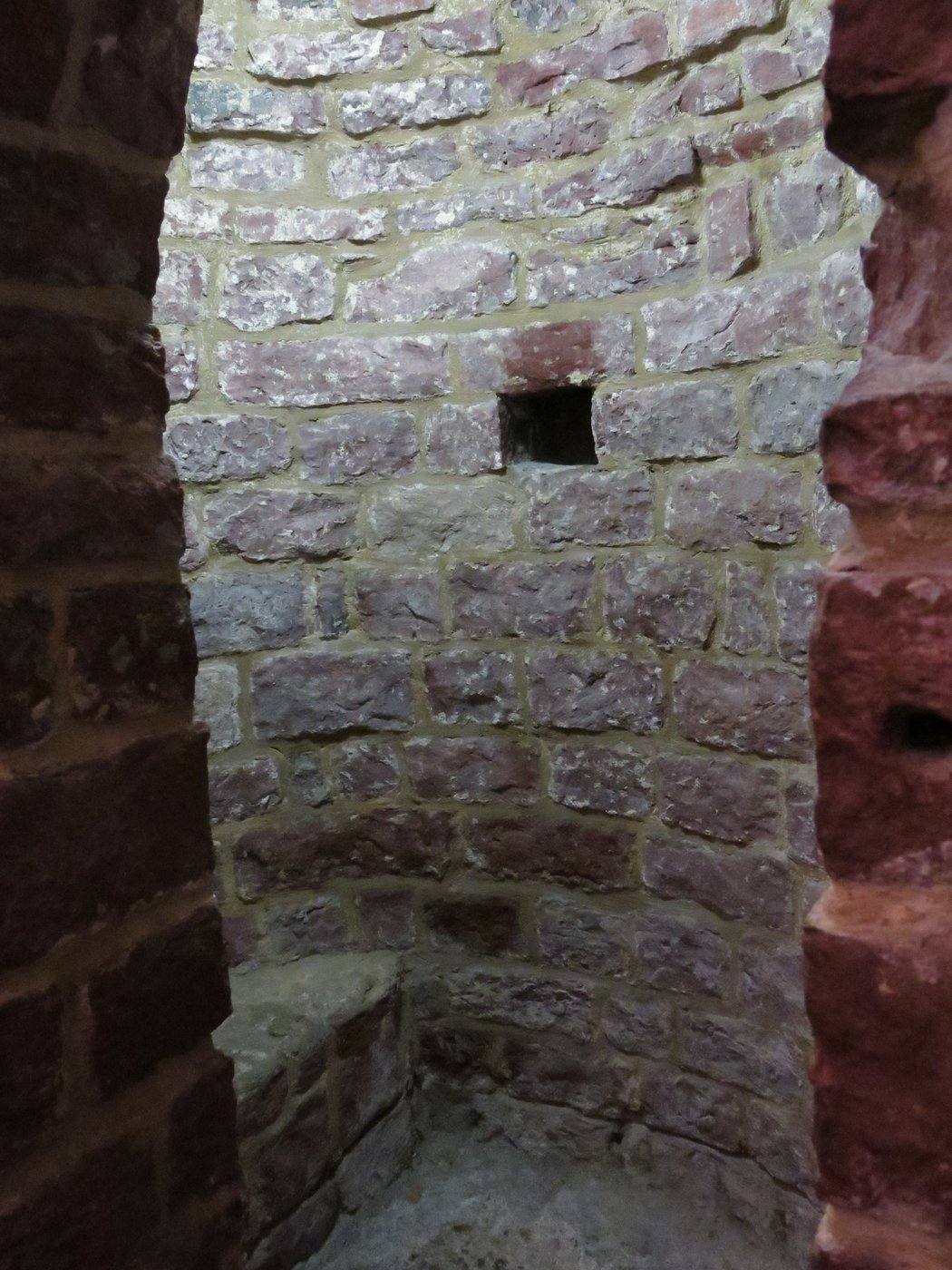
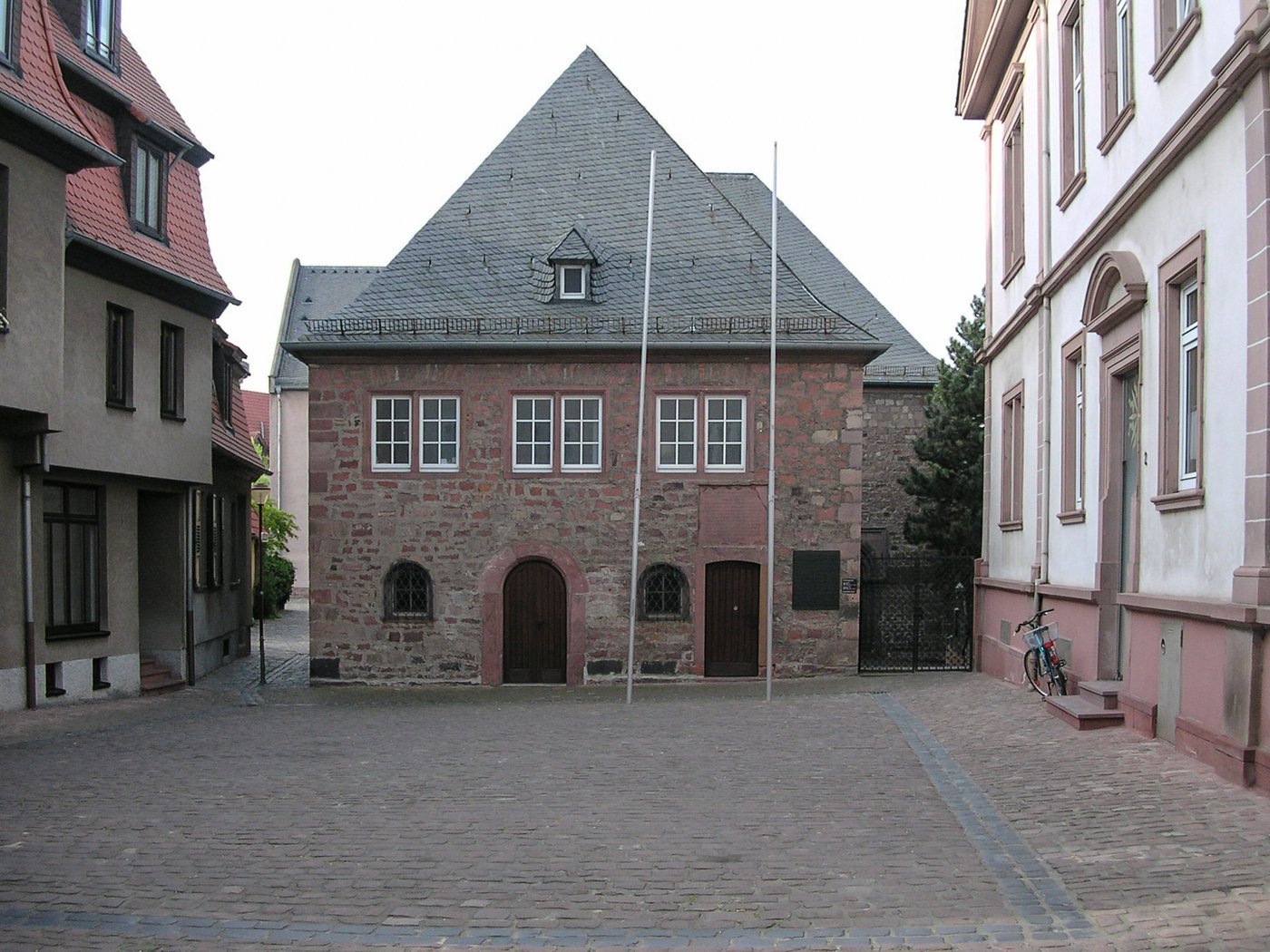
Holy Roman Emperor Henry IV confirmed and extended Rüdiger's charter in 1090, granting the Jews of Speyer - and by precedent other Rhineland Jewish communities - a broad set of imperial privileges including freedom of movement, protection of persons and property, and the right to sell goods including meat slaughtered according to Jewish law to Christians. The 1090 imperial confirmation is discussed in detail by historian Alfred Haverkamp in his work on medieval Rhineland Jewry and is cited in the UNESCO Memory of the World registration of the ShUM communities' documentary heritage, inscribed in 2021. The ShUM cities' Jewish heritage - their mikvaot, synagogue remains, and cemeteries - received joint UNESCO World Heritage Site status in 2021, recognising them as the founding communities of Ashkenazi Jewish culture.
The distance between 1084 and the Crusade massacres of 1096 is only twelve years. Rüdiger died in 1090. The charter he wrote outlived his protection, but barely. In May 1096 the mob that swept along the Rhine with Peter the Hermit's crusading forces fell on Speyer first. The bishop at that point - Johann I - actually defended the Jews, sheltered some and punished the attackers, so Speyer suffered less than Worms or Mainz. But "less" still meant death. The architecture of welcome was twelve years old when the test came. What the ShUM story teaches, and what Rüdiger's charter represents at its foundation, is that the precariousness and the achievement coexisted - that Jewish life in medieval Ashkenaz was simultaneously endangered and extraordinarily generative. The books that came out of the Rhine valley in the century and a half after 1084 were not written by a community that felt defeated. They were written by people who believed they had something to say, and who were right.
Speyer's invitation in 1084 was a business arrangement and a legal act. It was also, looked at across the long run, a founding document of a civilisation. The walls Rüdiger built to protect the Jewish quarter are long gone. The responsa written in the shadow of his cathedral are still studied.