Simferopol is not the oldest Jewish place in Crimea, but it became one of the main modern Jewish addresses on the peninsula. For the Krymchaks especially, it acted as an administrative centre, a place where communal life could still be coordinated before the war tore that life apart.
That gives the city a hard and necessary role in the map. It was where a minority with a distinct language and custom tried to hold itself together as the twentieth century darkened.
The city before the killing
Before the war, Simferopol had a Jewish and Karaite presence large enough to shape its public life. In the late nineteenth century Jews and Karaites made up a visible part of the population, and by the early Soviet period the city was a recognised Crimean administrative centre.
That is why the destruction hit so hard. The Germans and their auxiliaries did not just kill individuals. They shattered a city that had been acting as a communal centre for an entire Jewish subgroup.
A city with a Jewish public life
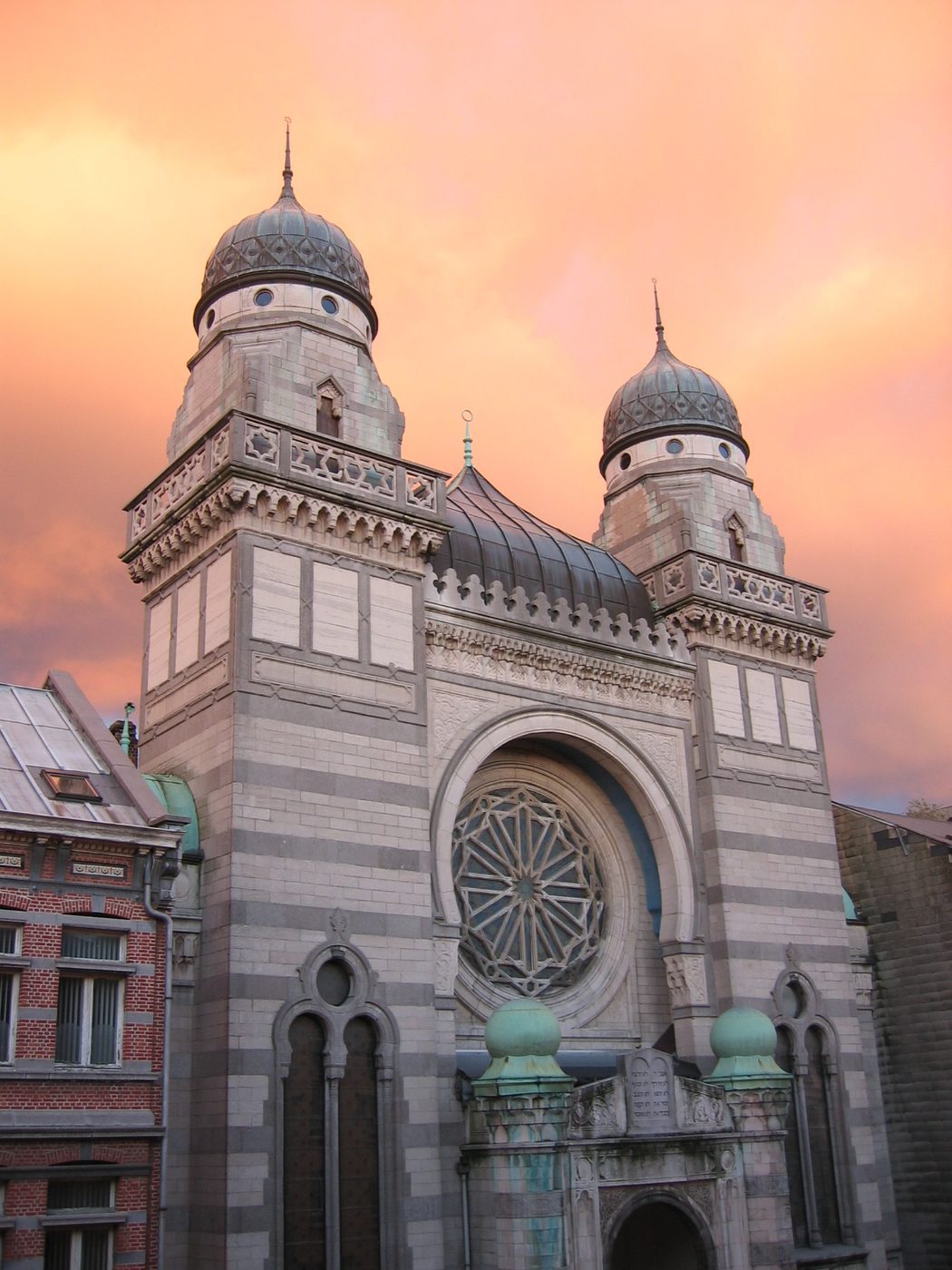
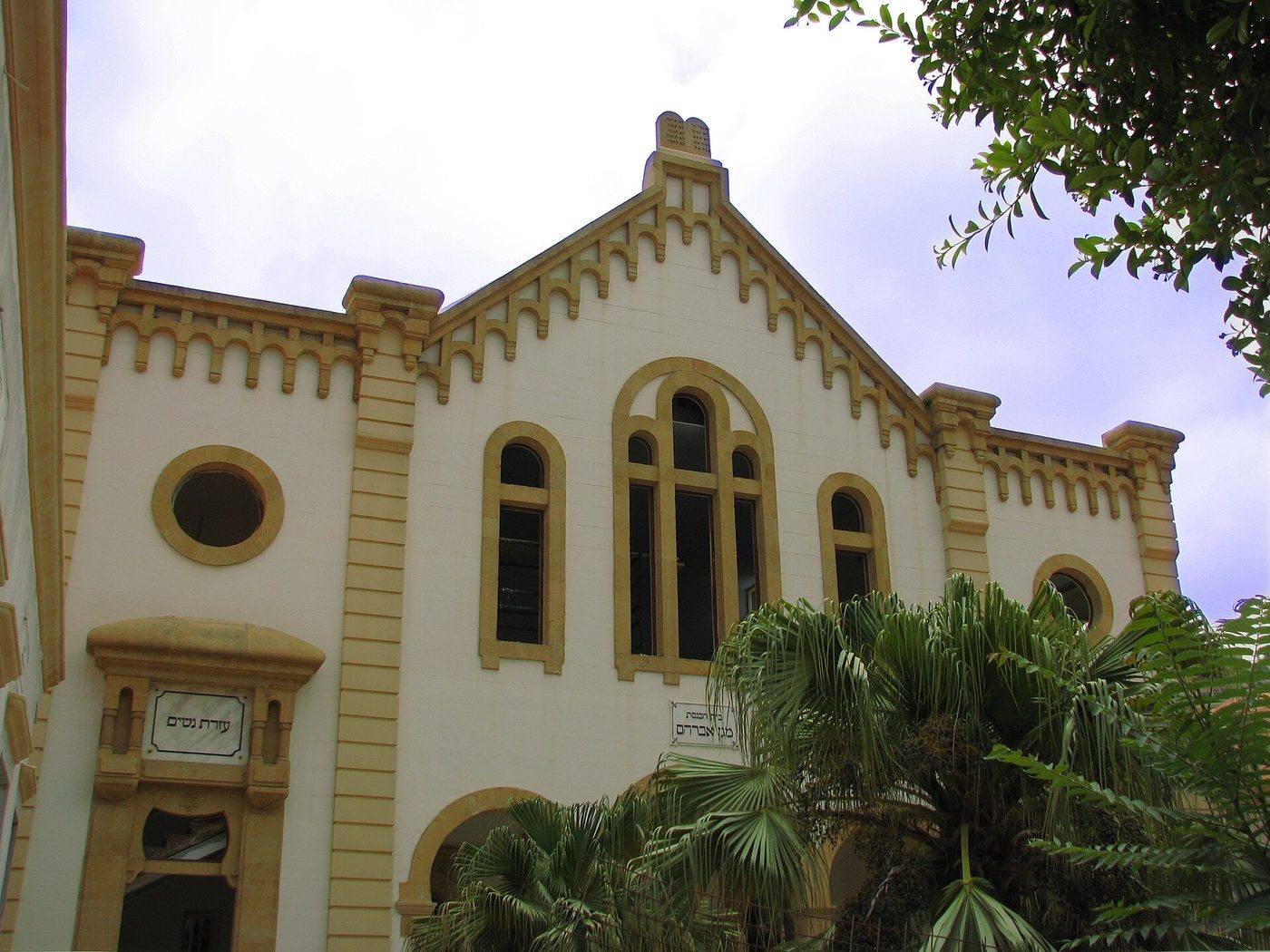
Late imperial and early Soviet Simferopol had a visible Jewish and Karaite population, with public institutions and a synagogue. That public life made the later destruction all the more complete.
United States Holocaust Memorial Museum; Encyclopaedia Judaica: KrymchaksThe massacre and the thinning out
In December 1941, the occupation forces murdered thousands of Simferopol residents, among them Jews and Krymchaks. The city became one of the scenes where the war against the Jews and the war against local Crimean life met and amplified each other.
After the war, the Krymchak community survived only in fragments. Some families remained, some left, and some carried the language and memory into later generations, where the work of revival has been patient rather than triumphant.
The Krymchak story resists easy scale. It was always smaller than the surrounding Russian, Ukrainian and Tatar worlds, but it had its own language, its own rites and a city centre that held it together. Simferopol gave that life a public shape.
The city now carries the memory of what was broken there. That memory is not decorative. It is the point.
A city can be an administrative centre and a wound at the same time. Simferopol proves it.
The occupation turns murderous
On 9 December 1941, Einsatzkommando 11b began a mass killing operation in Simferopol that killed an estimated 14,300 residents, mostly Jews, Russians and Krymchaks. The event destroyed the city's Jewish public life almost at a stroke.
United States Holocaust Memorial Museum; Encyclopaedia Judaica: KrymchaksWhat remains is the name
Simferopol now reads in the atlas as a place where communal life was once organised and then cut down. That is grim, but necessary. The map should remember where the centre was before the centre was broken.
The city belongs in the Jewish story because the Krymchaks built their public life there and because the war tried to erase it.