A court can be a building, and Sadigura was. When the Ruzhiner Rebbe slipped across the Russian border and rebuilt his life in this small Bukovinian town, he did not settle for a study and a prayer room. He raised a palace, and beside it a synagogue that looked less like a shtibl than like something a minor European prince might have commissioned: red brick, high arched windows, a touch of the Moorish, an imposing front. Sadigura was a town of no particular fame until the most theatrical dynasty in Hasidism decided to make it a capital. After that it was a word that meant grandeur.
This is a sequel, and it helps to know the first chapter. Israel Friedman of Ruzhin had built his original royal court at Ruzhyn, in Volhynia, until the Tsar's police imprisoned him on a charge of rebellion. He escaped, and in 1842 he re-established himself at Sadigura, then in the Austrian Empire and safely outside Russian reach. The exile did not chasten the style. If anything the new palace was finer than the old.
The dynasty proper
The Ruzhiner died at Sadigura in 1850, and the town's own dynasty begins with his son. Avrohom Yaakov Friedman (1819-1883) inherited the court and made Sadigura, not Ruzhyn, the name his line would carry. He led in the full inherited manner: a regal household, music, fine dress, an aristocratic reticence, and a stream of Hasidim who came as much to be in the room as to hear a word of Torah. Under him Sadigura became one of the most influential courts in the Habsburg lands, and a model that other rebbes, for better and worse, tried to copy.
It was not all velvet. In 1856 the Austrian authorities arrested Avrohom Yaakov on a charge of involvement in counterfeiting, and he spent some fifteen months entangled with the courts before securing his release. The accusation never quite settled the question that always trailed the Ruzhin style: was this holiness wearing a crown, or worldliness wearing a beard? Sadigura drew that question like a magnet, which is part of why it mattered so much.
From Ruzhin to Sadigura
Israel Friedman of Ruzhin re-established his court at Sadigura in Austrian Bukovina in 1842, after escaping imprisonment in Russia, and died there in 1850. His son Avrohom Yaakov Friedman (1819-1883) then founded the Sadigura dynasty proper, building the court's palace and its distinctive synagogue and making it a leading centre of Hasidic life in the Habsburg lands.
Sadigura Hasidic dynasty · Avrohom Yaakov FriedmanThe town was ordinary until a fugitive prince of Hasidism turned it into a capital. After that, Sadigura was not a place. It was a manner.
The synagogue that looked like a palace
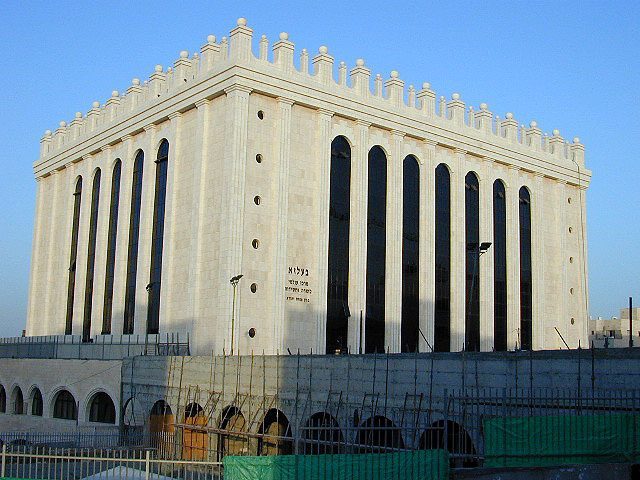
The Sadigura court synagogue was built in a romantic style with red brick, high arched windows and Moorish detailing, closer in appearance to a palace than to a typical Eastern European shul. Ruined under Soviet rule, the building was restored and rededicated in 2016 in what is now Sadhora, Chernivtsi, Ukraine. It is among the last surviving examples of the Ruzhin court's architectural grandeur.
Jewish Heritage Europe · Sadhora synagogueWhat remains
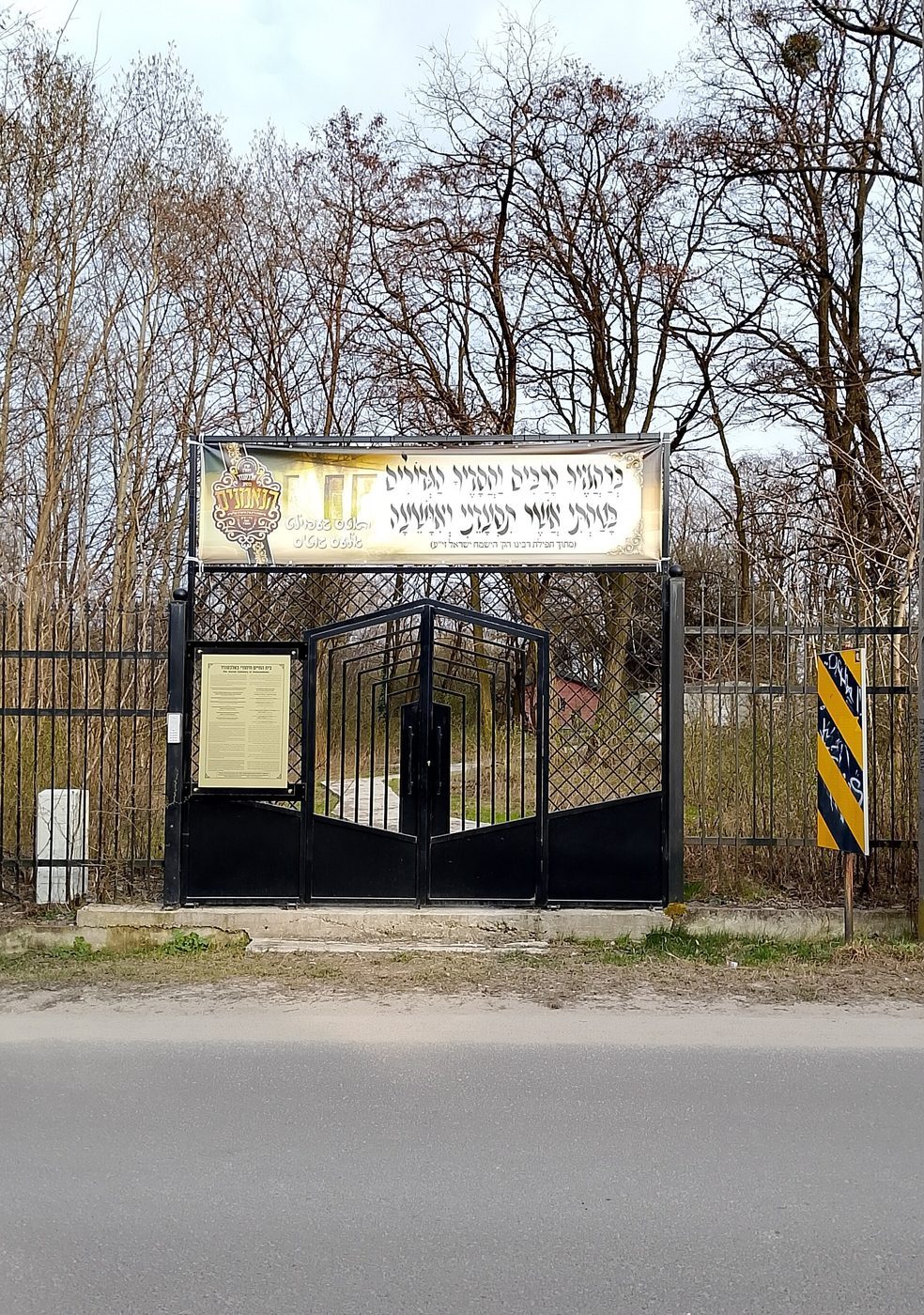
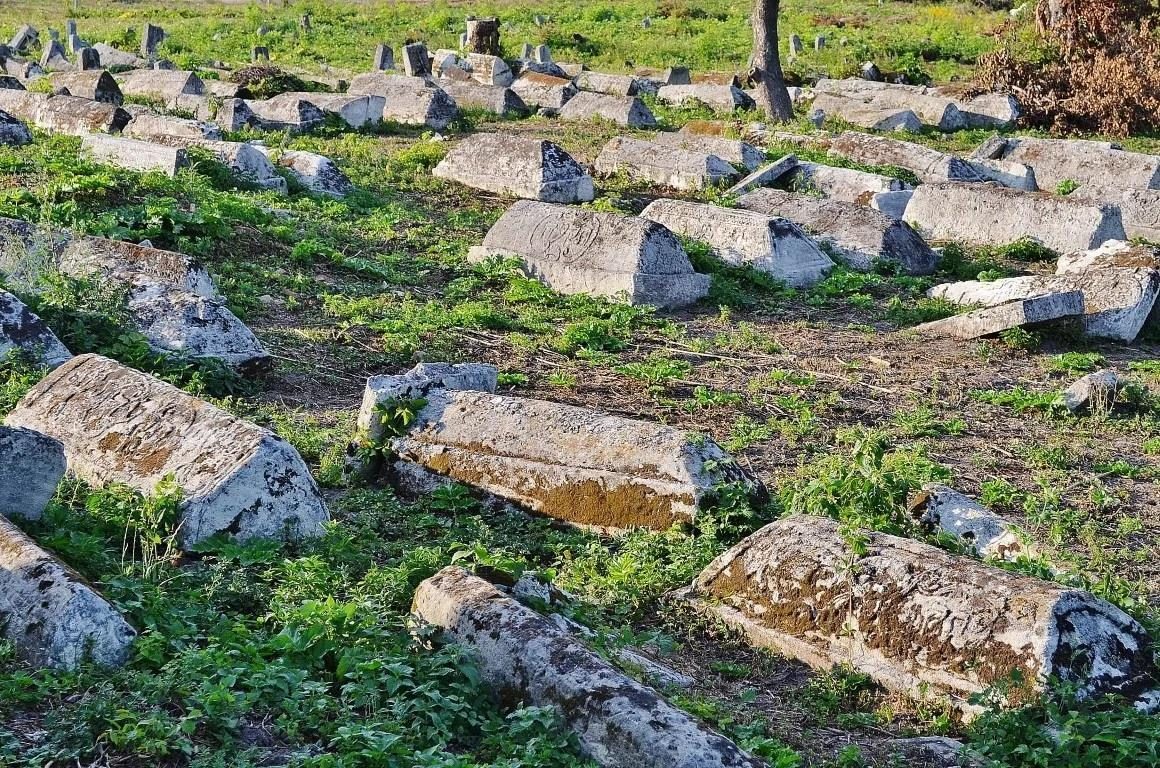
The court itself did not survive the twentieth century in place. The Sadigura rebbes left Bukovina, and the line continued in Vienna, then in Israel, where a Sadigura court remains active in Bnei Brak today. What stayed behind was the building and the word. The restored synagogue stands in Sadhora, and the name Sadigura still rides in the lineage of every Hasid who counts himself part of the house of Ruzhin.
That is the right scale for the story. Not a tale of vanished glory, but of a manner that proved portable. The palace by the Prut was abandoned. The idea it housed, that Jewish leadership could be openly, unembarrassedly noble, simply moved on and found a new room.
Further reading