Most Hasidic masters dressed down. The whole movement had begun, a few generations earlier, as a reproach to grandeur, a turn toward the poor man at the back of the room and the joy he could reach without a single learned title. Then a great-grandson of the Maggid of Mezeritch looked at all that humility and decided it was not the only way to honour heaven. Israel Friedman of Ruzhyn kept a court that looked like a prince's: a fine house, silver, fast horses, liveried attendants, a rebbe who barely spoke and ruled by presence. He was not betraying Hasidism. He was making an argument inside it.
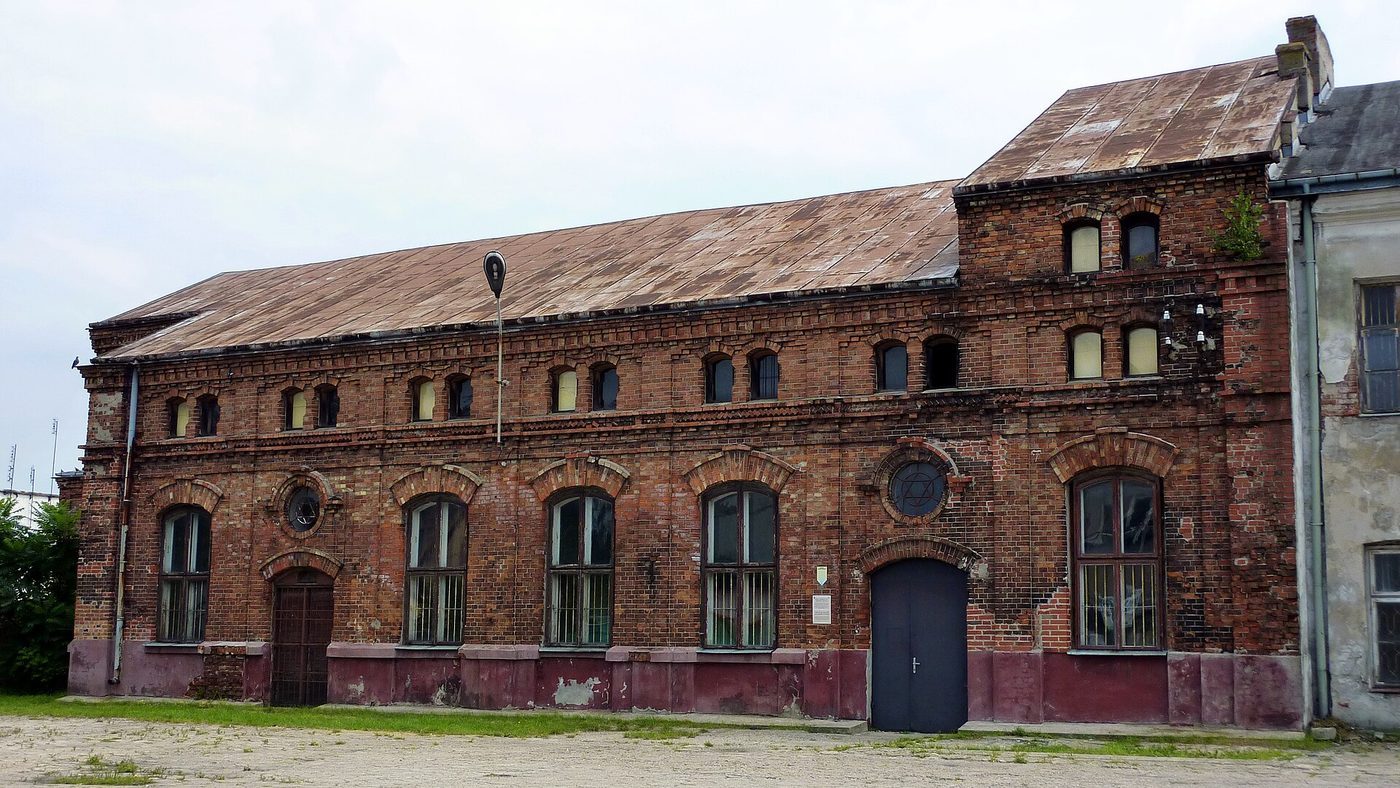
The argument was this. If a king's dignity is borrowed from his crown, a tzaddik's should be borrowed from the One he serves. Splendour, in Ruzhyn, was not vanity but a kind of liturgy: a way of insisting that holiness deserved a setting, and that Jewish leadership need not look apologetic to be real. The town of Ruzhyn, in Volhynia, became the first stage for that idea.
The rebbe who barely spoke
He was a child prodigy of lineage rather than long study, and he led young. Settling at Ruzhyn around 1815, he drew followers in the thousands. What they found was unusual. The Ruzhiner taught sparingly, sometimes through little more than a gesture or a story, and the surrounding magnificence did much of the work that sermons did elsewhere. To his Hasidim this was not emptiness but a higher reticence, the silence of a man who did not need to perform his closeness to heaven. To his critics, and there were sharp ones, it edged toward theatre.
That tension is the real subject of Ruzhyn. The court was beautiful and the beauty was the message, and reasonable people inside the same religious world could not agree whether the message was sublime or suspect. The dynasty never tried very hard to resolve the question. It simply went on being magnificent, and let the splendour make the case.
The royal house of Hasidism
Israel Friedman, a great-grandson of the Maggid of Mezeritch, established his court at Ruzhyn in Volhynia in his teens and led it until 1838. He cultivated a deliberately regal style, and his descendants founded a cluster of related dynasties, among them Sadigura, Chortkov, Boyan, Husiatyn and Bohush, collectively known as the house of Ruzhin.
YIVO Encyclopedia of Jews in Eastern EuropeThe early masters honoured heaven by dressing down. The Ruzhiner honoured it by refusing to. Both were arguments about what dignity is for.
Denounced, imprisoned, gone
In 1838 Friedman was denounced to the Russian authorities as a rebel against the Tsar, following the killing of two Jewish informers in nearby Novyye Ushitsa, and was imprisoned for nearly two years in Kiev and Kamianets-Podilskyi. Released and kept under watch, he escaped across the border, and in 1842 re-established his court at Sadigura in Austrian Bukovina, beyond the Tsar's reach. He died there in 1850 and is buried in the town.
Yisrael Friedman of Ruzhin · YIVO EncyclopediaThe thread to Jerusalem
For all the talk of carriages, the Ruzhiner spent on more than himself. He was a major patron of the Jews of the Land of Israel, and he funded the building of one of the great synagogues of the Old City of Jerusalem, named Tiferet Yisrael, glory of Israel, after him. He did not live to see it finished; his son Avrohom Yaakov of Sadigura completed the fundraising, and the synagogue was inaugurated in 1872. It stood until 1948, was destroyed in the war, and has in recent years been rebuilt. The Ruzhiner who ruled from Volhynia by silence and presence reached, in the end, all the way to the Temple Mount's horizon.
That is what survived the town. Ruzhyn itself is a quiet place in Ukraine now. But the house it named scattered across Europe and into the Land of Israel, and the idea it carried, that a Jewish court may be magnificent on purpose, never went out of circulation. It simply found new addresses.
Further reading