Ramat Rachel is a site that keeps reminding you that ancient Jerusalem was not only a temple city. Just south of the capital, on a ridge with a commanding view, stood a royal estate that linked administration, agriculture and power.
The place is valuable because it shows the state at work. Not the poetry of kingship, but the business of making a kingdom function.
A royal ridge
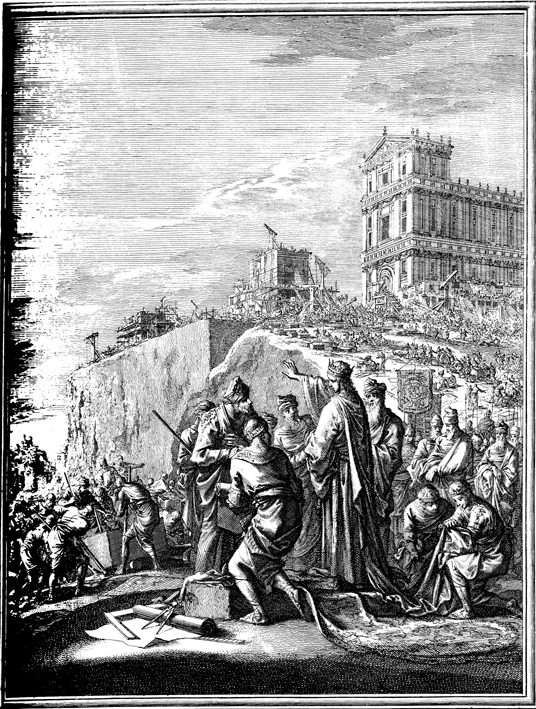
Excavations at Ramat Rachel have uncovered palace-like structures, storerooms, courtyards and gardens from the First Temple period and later eras. The site looks south over Jerusalem and eastward across the hills, which is exactly where a royal estate would want to stand.
The hill matters because it shows that Judah's capital depended on sites just outside its walls. Administration sat beside sanctity. The city was never only the Temple Mount.
A kingdom on the edge of the capital
Archaeological work at Ramat Rachel has identified a substantial palace and administrative complex from the 7th and 6th centuries BCE. The site is usually read as a royal estate tied to Jerusalem's government. It is the sort of place where a kingdom keeps its accounts without needing to be glamorous about it.
Ramat Rachel excavation reportsAfter the monarchy
Later layers at the site show continued occupation and re-use, which is another lesson in itself. Jerusalem did not simply create one monument and stop. It produced a landscape of connected places, each doing some part of the work.
Ramat Rachel is useful to this atlas because it reminds us that power in the ancient Land of Israel was distributed. The hill estate is not an afterthought. It is part of the machine.
Administrative ground outlives dynasties
Later occupation at Ramat Rachel continued into Persian and Hellenistic times, showing that the ridge kept its strategic value after the First Temple period. The site is not a single chapter. It is a sequence of them, stacked on a hill south of Jerusalem.
Israel Antiquities AuthorityWhat the view says
Ramat Rachel is not famous because it is beautiful, though it is. It is famous because it proves that the kingdom of Judah worked through places that were practical, watchful and close enough to the capital to matter.
Some hills are scenic. This one was strategic.