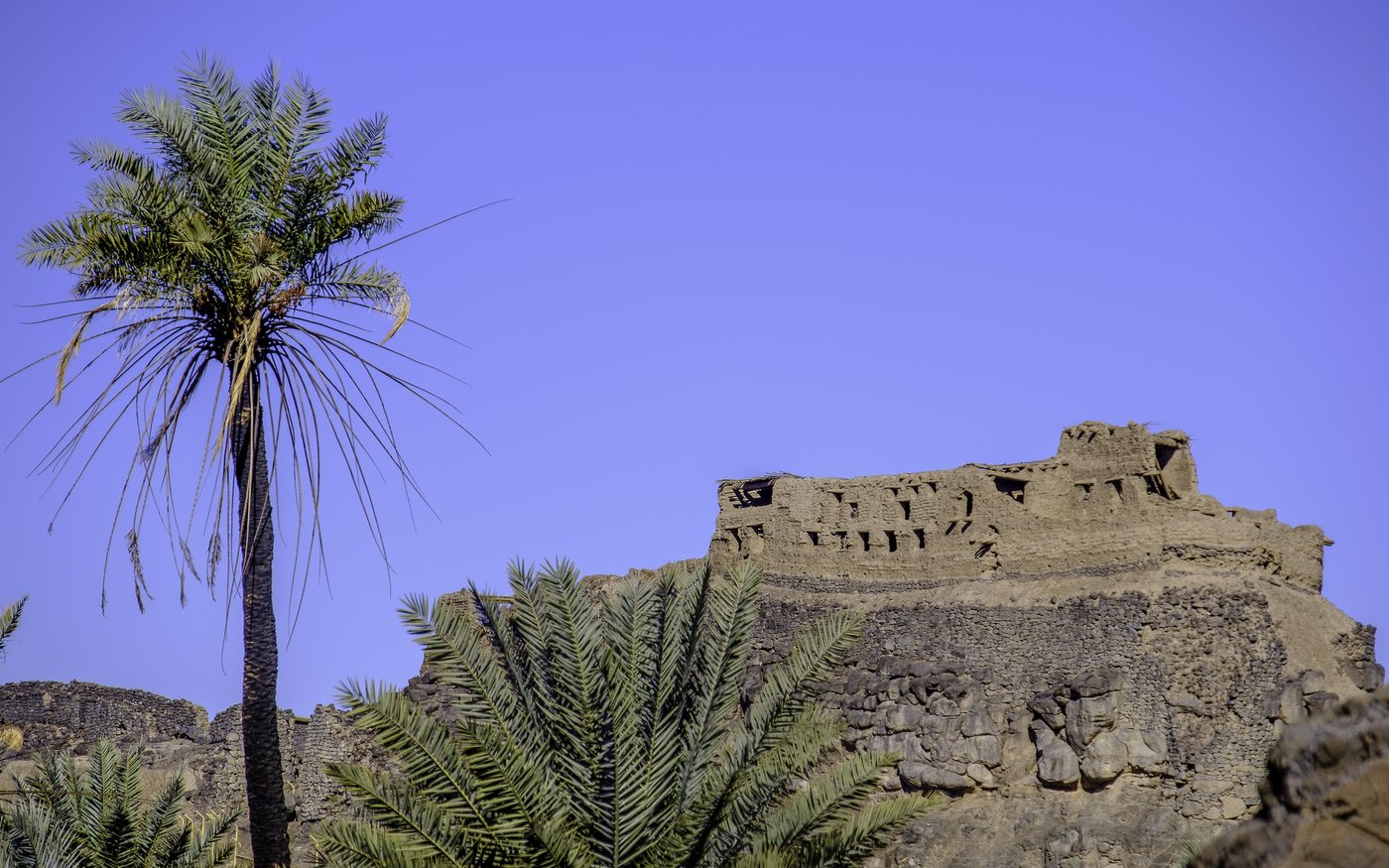
Count the synagogues and you can measure a town. By the early nineteenth century Rada'a, in the highlands of central Yemen, had nine of them. That is a strange and telling number. It means the Jewish community there was too large to gather in one room and too serious about prayer to make do. Sana'a, the capital, had the most synagogues of any Yemenite town. Rada'a came next. In the whole of Yemen, this hill town held the second-largest body of Jews, and it filled nine houses of prayer to hold them.
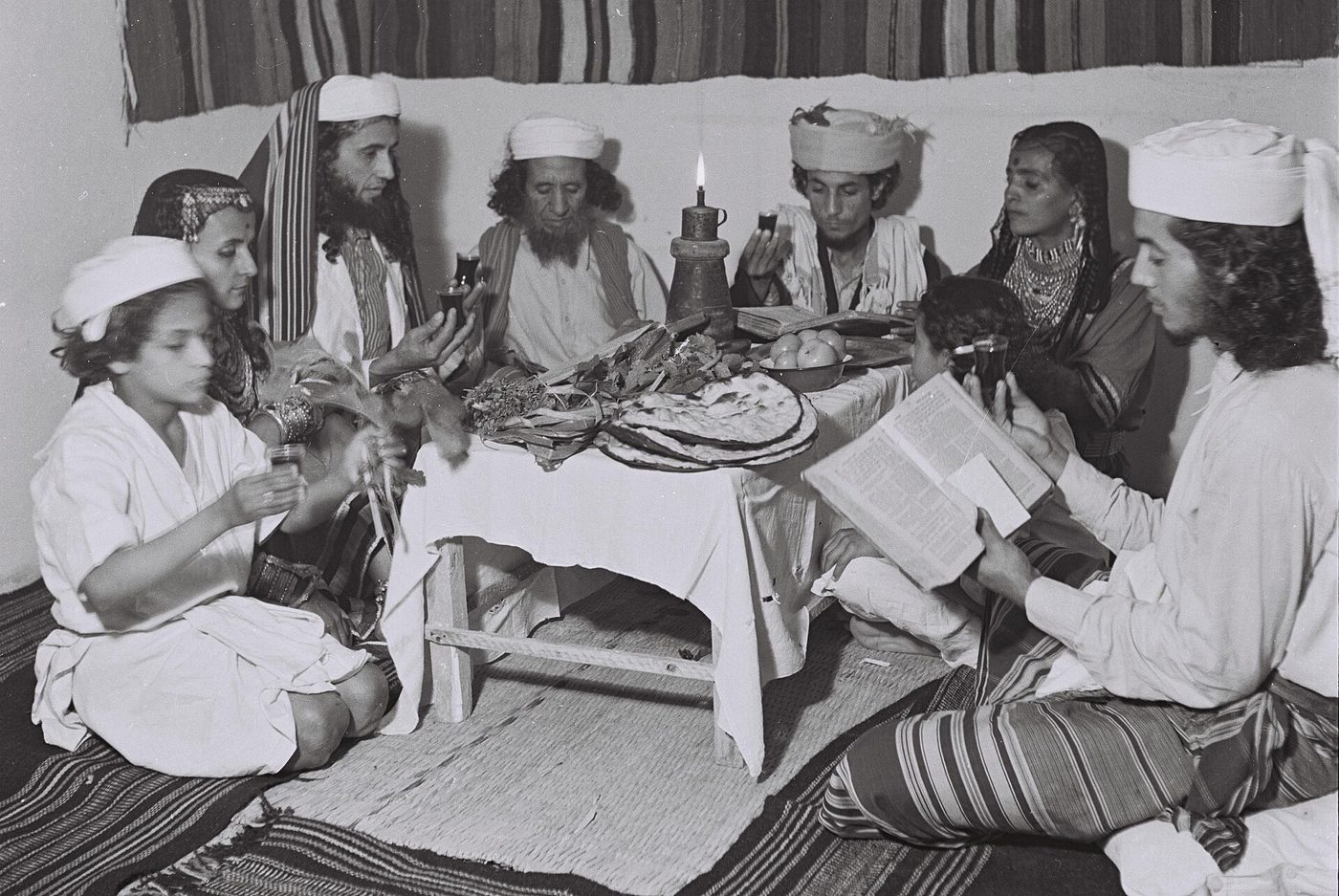
Yemen is one of the oldest Jewish addresses on earth. Jews were there long before Islam, with a presence reaching back to the Himyarite kingdom and a tradition, told and retold, of arrival in the time of the prophet Jeremiah. They lived as a learned, self-contained minority among the mountains for the better part of two thousand years, copying their own Torah scrolls, singing their own melodies, and keeping a form of prayer older than almost anything used elsewhere. Rada'a was a working piece of that world, not a romantic memory of it.
The older way of praying
What makes the Yemenite tradition precious is its age. Most of the Jewish world, over the centuries, gradually adopted prayer books shaped by printing presses and by the Kabbalah of sixteenth-century Safed. Yemen, isolated and stubborn, largely did not. The Baladi rite, whose name simply means of the local custom, kept a liturgy almost identical to the order Maimonides set down in the twelfth century, which itself drew on still older Babylonian usage. To open a Baladi prayer book is to look at something close to how Jews prayed eight hundred years ago. A later rite, the Shami, did absorb the printed Sephardic books, and the two traditions ran side by side in Yemen. But the Baladi line is the deeper one, and it is the line that gives the Yemenite story its peculiar weight.
The same conservatism shows in the scrolls. The Yemenite Torah tradition is reckoned one of the most accurate in the Jewish world, its spelling nearly in complete harmony with the great Aleppo Codex that Maimonides himself trusted. Yemenite codices are called by the proud Arabic name Taj, a crown. A community that produced its own crowns was a community that took the letter seriously, down to the last dot. Rada'a lived inside that culture of exactness, a town of the careful word.
The second town of Yemenite Jewry
At the beginning of the nineteenth century Rada'a held the second-largest Jewish population in Yemen after Sana'a, worshipping in nine synagogues. The community belonged to the conservative current of Yemenite Judaism, whose Baladi liturgy preserved a prayer order close to that of Maimonides.
Yemenite Jews · Encyclopaedia entryOn eagles' wings
Then, in the space of about a year, the nine synagogues fell silent. After the founding of Israel, and amid mounting danger for Jews across the Arab world, almost the whole of Yemenite Jewry was airlifted out. Operation Magic Carpet, known in Hebrew by the verse from Exodus about bearing a people on eagles' wings, ran from June 1949 to September 1950 and carried roughly forty-nine thousand Yemenite Jews from Aden to Israel in some three hundred and eighty flights. Rada'a's Jews left with the rest. A community that had counted its synagogues by the handful emptied into the holds of aeroplanes, most of its people having never seen one before.
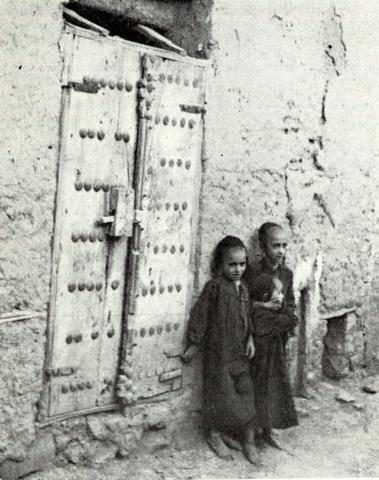
It would be easy to write that as pure loss, and the loss is real: a two-thousand-year presence ended in a single airlift, and the streets of Rada'a have kept no public Jewish life since. But the Yemenites did not carry their world to Israel in suitcases. They carried it in their throats and their hands. The Baladi melodies, the precise scribal craft, the prayer order older than printing, all of it travelled with the people and is sung and written still, in Israeli synagogues that keep the Yemenite rite alive on purpose. The town lost its Jews. The tradition did not lose its town; it took the town with it.
Nine synagogues, and prayer that had to run in shifts. When the people flew out, the prayer flew with them.
The airlift out of Yemen
Operation Magic Carpet, named for the verse in Exodus about bearing the people on eagles' wings, ran from June 1949 to September 1950 and brought roughly 49,000 Yemenite Jews from Aden to Israel by air. It effectively emptied Yemen's Jewish towns, Rada'a among them, of a community that had lived there for some two thousand years.
Operation Magic Carpet · WikipediaWhat the highlands kept
Rada'a earns its page not because of what was destroyed but because of what it proves. A small town in the Yemeni highlands can hold the second-largest Jewish community of an ancient land, fill nine synagogues, and guard a way of praying older than the printing press. Liturgy can make a place far larger than its streets. The square in Rada'a is quiet now. But somewhere in Israel this Shabbat, in a melody that came out of those hills, the town is still being heard.
Further reading