Mumbai - then Bombay - became the city where the Bene Israel were most visible. The old oil-pressing families moved into port work, schooling and professions, and the city gave them enough scale to become modern without ceasing to be distinct.
The community's story is one of Indian continuity, Jewish practice and urban adaptation all at once.
From oil presses to city life
The Bene Israel were historically associated with oil pressing and the Sabbath rest that gave them their nickname. In Bombay they moved into a broader urban world, where they built synagogues, schools and professional lives while staying rooted in a specific communal memory.
The city is useful because it shows how a community can become more public without becoming less particular.
The oldest synagogue in the city
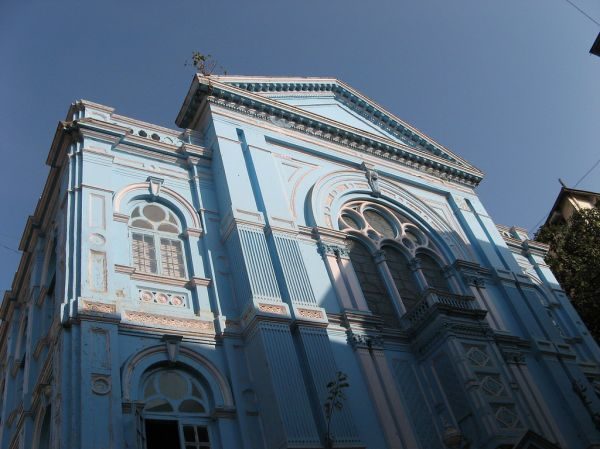
Shaar Harahamim, built in 1796, is the oldest synagogue in Mumbai and belongs to the Bene Israel community. It marks the moment when the city's Jewish life can be seen not just in families but in stone. The building still ties the community to the older Bombay story.
List of synagogues in Maharashtra; Bene Israel historiesModernity and migration
In the 19th and 20th centuries, the Bene Israel became increasingly educated and socially mobile. Many entered government, the military and the professions. The city made room for that change and also kept the older customs visible.
After 1948, many moved to Israel, but Mumbai remained the Indian city most closely tied to the community's history.
A city with a smaller but durable community
By the early 21st century, Mumbai's Jewish population had shrunk sharply, but it remained heavily Bene Israel in character. The city's synagogues and families still made that clear. The community's size changed; its address did not vanish.
Bene Israel; History of the Jews in IndiaMumbai keeps the memory
Mumbai is the city where the Bene Israel became legible to themselves and to everyone else.
That is what urban success looks like when it is done without forgetting.