Marseille has been a Jewish centre for generations, but its modern importance comes from the way the port absorbed new arrivals. Jews from North Africa, especially after decolonisation, found a city ready to receive them.
The result was not a single community but a wide urban field with a strong Sephardi character.
A port city learns a new accent
The old French Jewish institutions remained, but postwar Marseille became unmistakably shaped by Algerian, Tunisian, and Moroccan arrivals. The city’s synagogue life, schools, and food culture all changed with the migration.
The port did what ports always do: it took something in and made it ordinary.
The Great Synagogue of Marseille opens
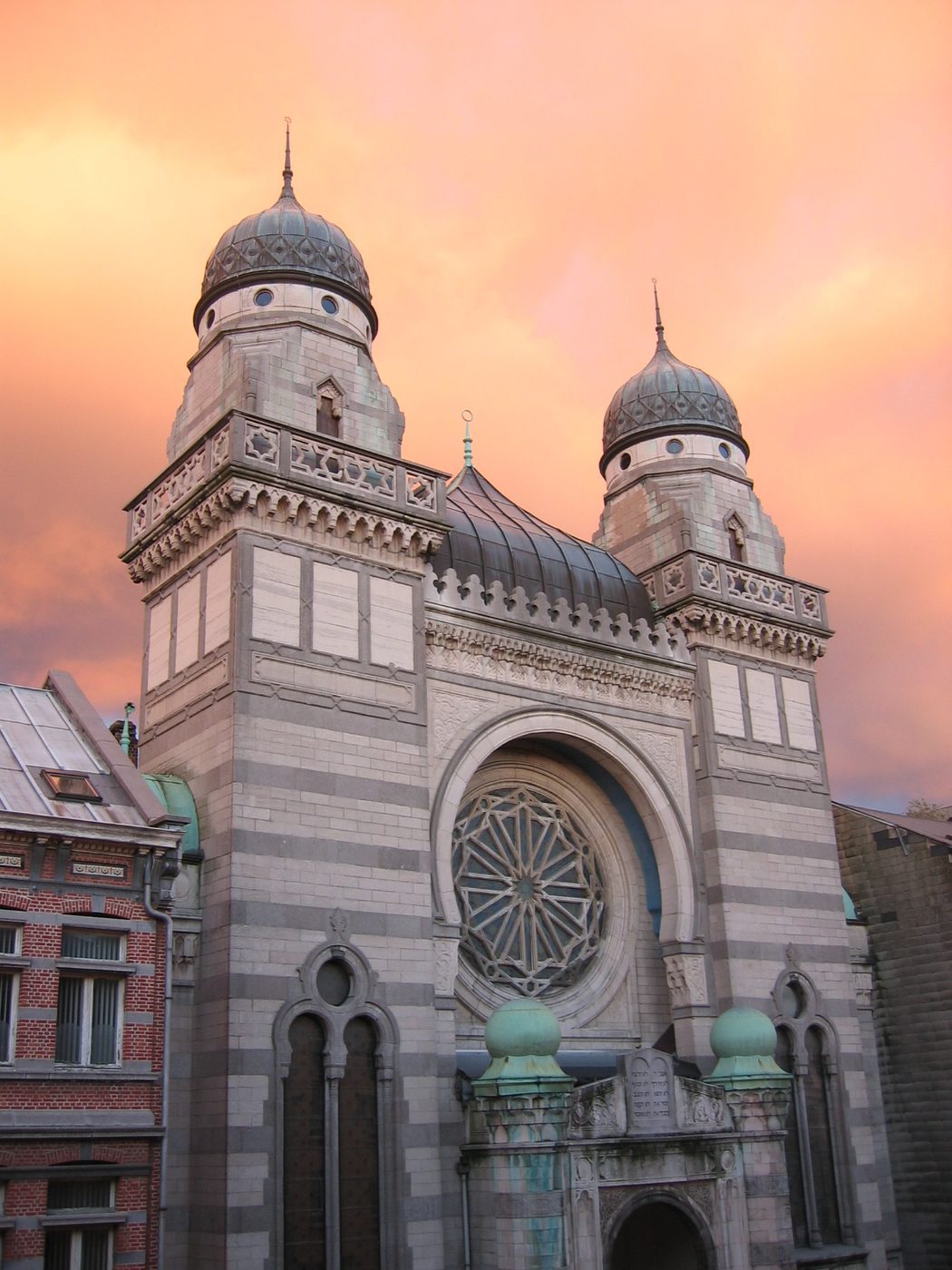
The Great Synagogue of Marseille was consecrated in 1864, giving the city a major public Jewish institution in the modern era. It remains one of the clearest civic markers of Marseille’s Jewish continuity.
Great Synagogue of Marseille; Ministry of CulturePostwar settlement
After the Second World War and especially after the Algerian war, Marseille became a major destination for North African Jews moving into France. The city’s Jewish life expanded rather than merely surviving.
That is the port’s old trick: it makes reception look like destiny.
Today Marseille holds one of the largest Jewish populations of any city in France, second only to Paris.
Marseille keeps receiving people and calling it normal.calling it normal
North African migration remakes the city
The arrival of Jews from Algeria, Tunisia, and Morocco after decolonisation transformed Marseille’s communal balance. The city became one of the largest and most visibly Sephardi Jewish centres in France.
History of the Jews in France; Jewish Virtual LibraryStill receiving
Marseille’s strength is not stasis. It is the ability to keep taking in a new generation and not pretend that is a threat.
The port and the people do the same work.