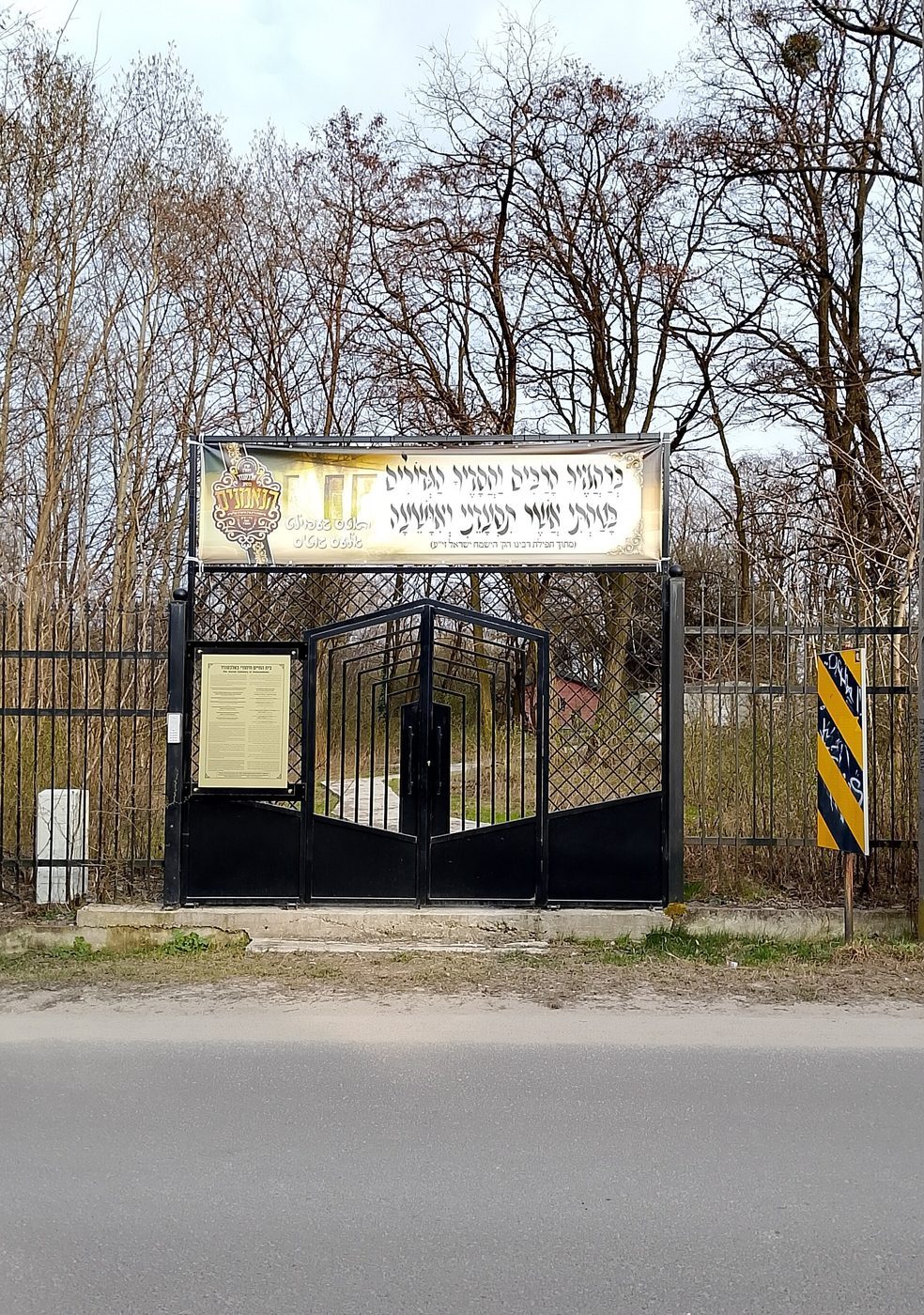
Lubavitch was never large enough to explain the movement that took its name from it. That is the point. A village in what is now Belarus became the seat of Chabad in 1813 under Rabbi Dovber Schneuri, and the public label that began as a local address grew into a world name.
The movement did not arrive as an abstraction. It moved, settled, built, taught, and gave the place a reach that outlasted the village itself. Lubavitch became the sort of name that people far away kept saying long after the road to the village had turned to memory.
A seat, not a slogan
Shneur Zalman of Liadi founded Chabad in Liozna and Liadi, but Lubavitch became the seat under his son, Rabbi Dovber Schneuri. The move in 1813 mattered because it tied the movement to a place that could be named, visited, defended and remembered. In Hasidic life, the court is never just a house. It is the place where teaching becomes weather.
That same court gave Lubavitch its long afterlife. Later generations did not keep the village because it was large. They kept it because it stood for a style of Jewish seriousness that was warm, disciplined and public. The name travelled better than the carts.
The court settles in Lubavitch
Rabbi Dovber Schneuri moved the Chabad court to Lubavitch in 1813, giving the village the name by which the movement would be known. The move is recorded in Chabad historical accounts and later communal histories. A village became an address, then an identity.
Chabad-Lubavitch history / Encyclopaedia JudaicaThe name survives the village
The most important thing about Lubavitch is that it outlived geography. The court did not stay in one building or one border. It helped form a movement that eventually built schools, emissaries, print networks and a vocabulary of Jewish outreach that reached far beyond eastern Europe. The village sat behind all of that like a small anchor with a very long rope.
That is why the place still matters. When people say Lubavitch now, they are naming more than a settlement. They are naming a way of holding learning, piety and community together without apologising for any of them.
A village became an address, then an identity. the public label that outlasted the road
Tomchei Temimim begins in Lubavitch
Rabbi Sholom Dovber Schneersohn founded the Tomchei Temimim yeshiva in Lubavitch in 1897. It became one of the signature institutions of the movement and made the village part of the modern Hasidic educational map. Small place, serious syllabus.
Chabad.org / Tomchei Temimim historyWhat remains
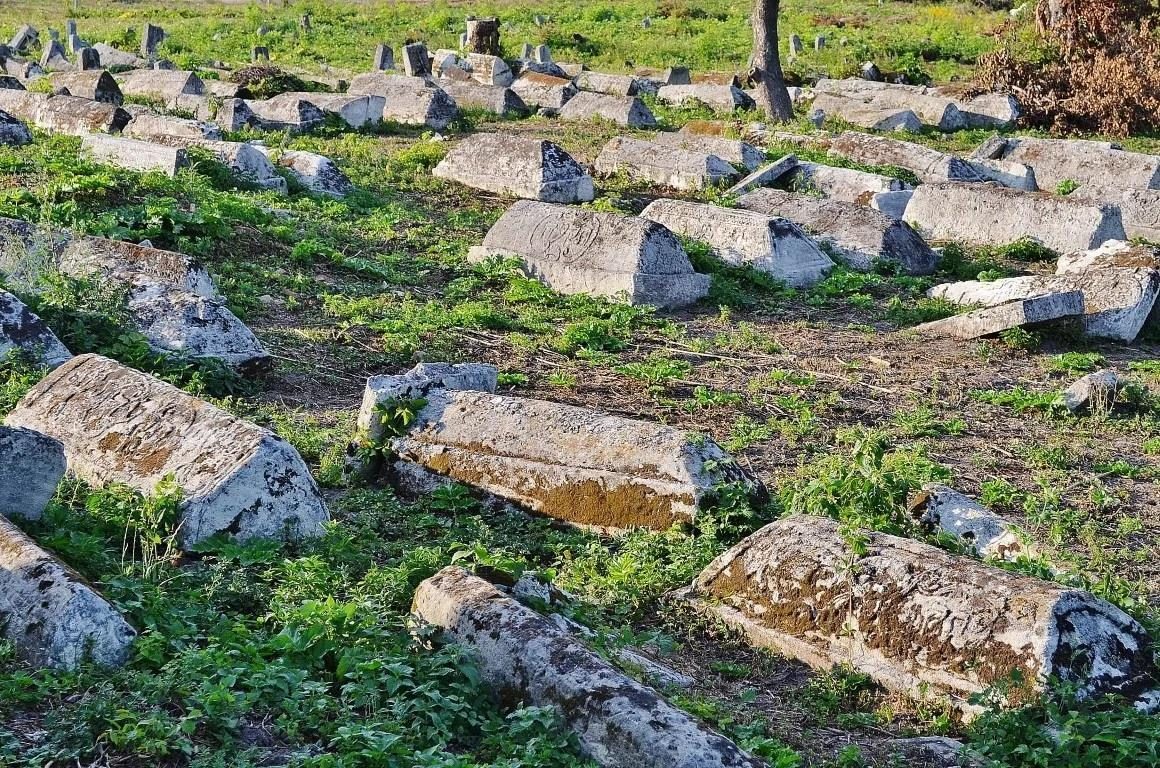
Lubavitch now survives as a word before it survives as a place. That is not a loss. It is how Jewish memory often works: the building goes, the name stays, and the name teaches the next generation where to look.
If you want the whole trick in one line, this is it - a village in Belarus became a world signpost, and the signpost never forgot the lane it came from.