Lomza belongs to the long chain of Lithuanian towns that made the yeshiva world possible. It was not the biggest name, but it was one of the sturdy ones: a place that kept producing students, teachers and the habits they needed.
That is enough to make it matter.
A town that fed a network
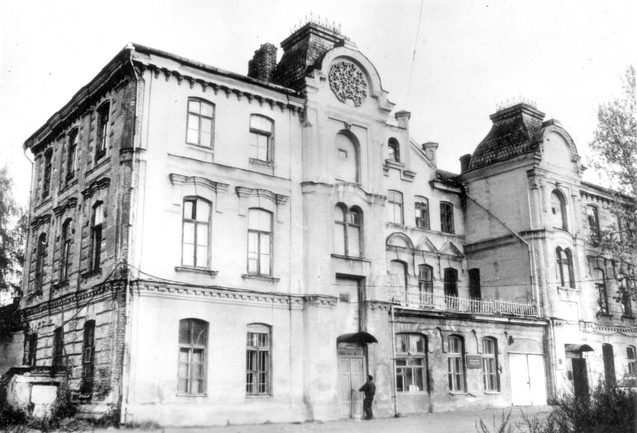
The Łomża yeshiva world connected the town to larger Lithuanian educational circuits. Students moved on to other centres, but the name remained attached to a style of rigorous learning and communal seriousness.
Lomza's role is therefore cumulative rather than spectacular. It shows how the yeshiva map was stitched together by ordinary towns doing steady work.
A study town in the Lithuanian system
By the late 19th century, Lomza had become part of the Lithuanian yeshiva world as a town that regularly sent students into larger schools. Local history and yeshiva memory treat it as one of the dependable feeders of the network. That is not flashy, but it is how systems survive.
YIVO; local yeshiva historiesStudents as the real monument
The town's real monument is the stream of people it sent onward. Lomza matters because a Jewish educational culture is only as strong as the towns that keep renewing it.
In that sense Lomza is a typical eastern European place and also a very special one: the kind of town that lets the larger map keep breathing.
A town remembered through study
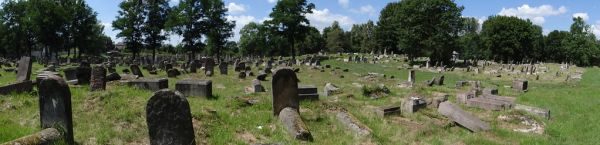
Before the Second World War, Lomza was part of the dense Jewish urban and yeshiva landscape of northeastern Poland. After the war, the community was gone, but the educational memory remained in institutions and survivors' recollections. The record is quieter than the history, but it is still there.
JewishGen; memorial historiesThe steady towns
Lomza is not the kind of place that writes itself into legend. It writes itself into cohorts of students.
That may be the better kind of permanence.