Kobe is one of the clearest examples of a port city making room for Jews without ever becoming a Jewish metropolis. Jewish merchants arrived with the opening of Japan, then a small community formed, then the port became a route of refuge during the war years.
The place feels consequential precisely because it never tried to be grand. Kobe mattered by being open, practical and just large enough to matter when the doors elsewhere were closing.
From merchants to a synagogue
Jews were present in Kobe from the late nineteenth century, when Japan's ports opened to the wider world. A synagogue opened in 1912, and by the interwar years Kobe had become the centre of what little Jewish life existed in Japan.
That is the line worth holding on to: the city was never vast in Jewish terms, but it was coherent. It could hold a synagogue, merchants and later refugees without becoming theatrical about any of them.
The first synagogue opens
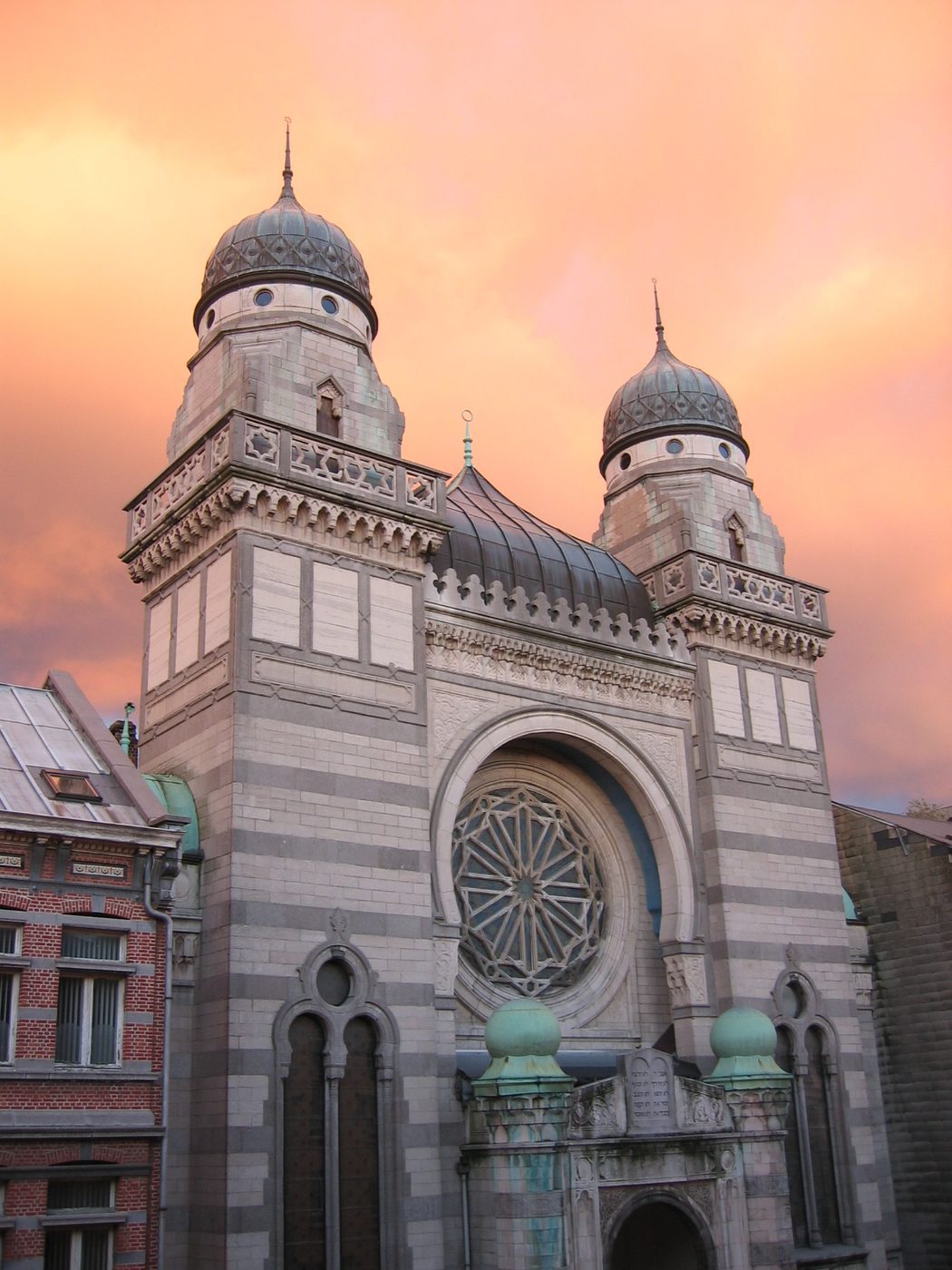
Kobe's first synagogue opened in 1912, marking the city's move from transient mercantile presence to organised communal life. It was a modest building, which suits a harbour that has never needed to boast.
History of the Jews in Kobe; Ben-Ami ShillonyThe harbour becomes a corridor
During 1940 and 1941, Kobe received thousands of Jewish refugees fleeing Europe. For a brief moment it became a place where Japanese administrative caution and human need happened to align. The city did not solve the world's problem. It gave people a landing place.
After the war the community shrank again, but it never vanished. That is the distinctiveness of Kobe: small, resilient and still able to receive visitors as well as residents.
The harbour logic matters. Ports understand arrival and departure better than most cities do, and Kobe made that intelligence available to Jewish life. The community has stayed small, but the city still recognises it.
That recognition is the real story. A place does not have to be large to be generous.
A port can be a refuge without pretending to be a homeland. Kobe knew the difference.
Thousands pass through the harbour
In 1940 and 1941, Kobe served as a refuge for Jewish escapees from Europe, including people who arrived via the famous visa routes of the Japanese diplomatic rescue story. The city's Jewish history widened briefly and then narrowed again.
History of the Jews in Kobe; Japanese Diplomats and Jewish RefugeesThe harbour still knows how to wait
Kobe remains important because it shows that Jewish history in Japan is not an abstraction. It had a port, a synagogue, a refugee moment and a small living community. That is enough for an atlas lamp.
The harbour is quieter now, but it has not forgotten how to receive.