Durban’s Jewish life is a coastal story. The city’s shuls, clubs and communal bodies grew in step with port commerce and with South African Jewish migration patterns, and then, as the suburbs shifted north, the community shifted with them. Durban stayed Durban, but the centre of Jewish life moved towards Umhlanga.
That kind of movement can make a place look less central than it really is. In fact it proves the opposite. Durban remained the anchor because the community kept choosing it, then re-choosing it a few kilometres up the coast.
From the club to the congregation
The Durban Jewish Club opened in 1931 and became a social and cultural hub, while the Durban United Hebrew Congregation developed into the city’s main Orthodox synagogue tradition. By the 1970s Durban had a clear, if smaller, Jewish population of its own within South African Jewry.
The city’s communal shape was practical. It had a port economy, a club, a shul and enough family life to make the pattern durable. That is often all a Jewish city needs to stay itself.
Durban’s communal anchors
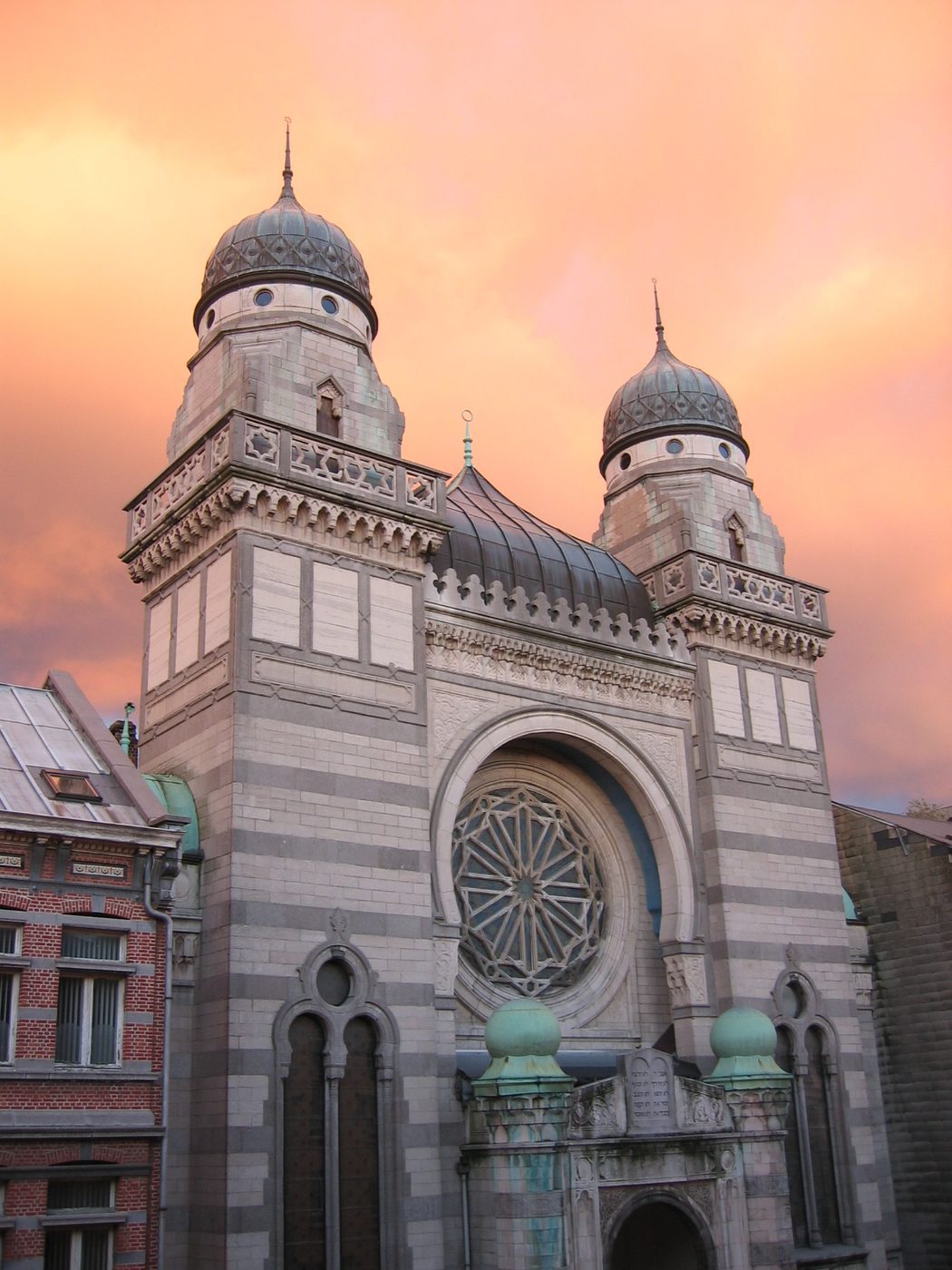
The Durban Jewish Club opened in 1931, and the Durban United Hebrew Congregation’s Great Synagogue on Silverton Road was completed in 1961. Together they show how civic and ritual life worked together in the city.
Durban Jewish Club / Durban United Hebrew CongregationNorthward to Umhlanga
As families moved north, the Umhlanga Jewish Centre opened in 2014 and gave the community a new address without breaking its line of continuity. The old Durban core was not erased; it simply found a second life up the road.
That migration is a suburban fact, but it is also a Jewish one: communal life follows homes, schools and the routes people actually drive. Durban understood this and adapted.
Durban kept its community by moving with it. The shul by the sea learned the coast.
The Umhlanga Jewish Centre opens
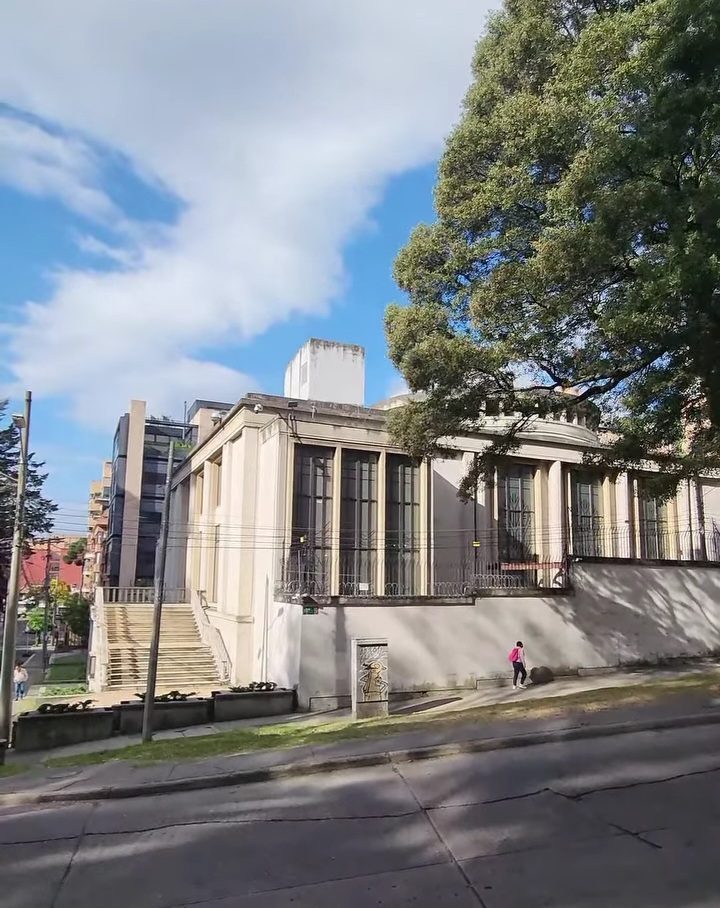
On 17 June 2014, the Umhlanga Jewish Centre was officially opened, marking the northward shift of Durban’s Jewish heart. The centre includes synagogue, school and community facilities and remains active.
Umhlanga Jewish CentreSea air, same people
Durban remains a distinct South African Jewish city because it kept adapting without pretending the old map was still the live one. That is a respectable habit.
The coast moved. The shul moved with it. The story stayed upright.