Bordeaux received Portuguese New Christians in the sixteenth and seventeenth centuries, and they settled as merchants tied to Atlantic trade. The city became one of the main French homes of Sephardi return.
By the eighteenth century the community was openly Jewish and visible in the city’s commercial life.
From converso trade to open community
The Portuguese Nation used Bordeaux’s port to do what ports do best: hide, reveal, and move wealth. Over time, the descendants of New Christians built synagogues and a recognisably Jewish public life.
That public life was not accidental. It was earned in commerce and then normalised by neighbourhood.
An open Jewish community takes shape
By the eighteenth century Bordeaux had a thriving openly Jewish community emerging from the older Portuguese New Christian merchant network. The French Revolution then gave that community full civic emancipation in 1790.
Jewish Virtual Library; Great Synagogue of BordeauxEmancipation and institution
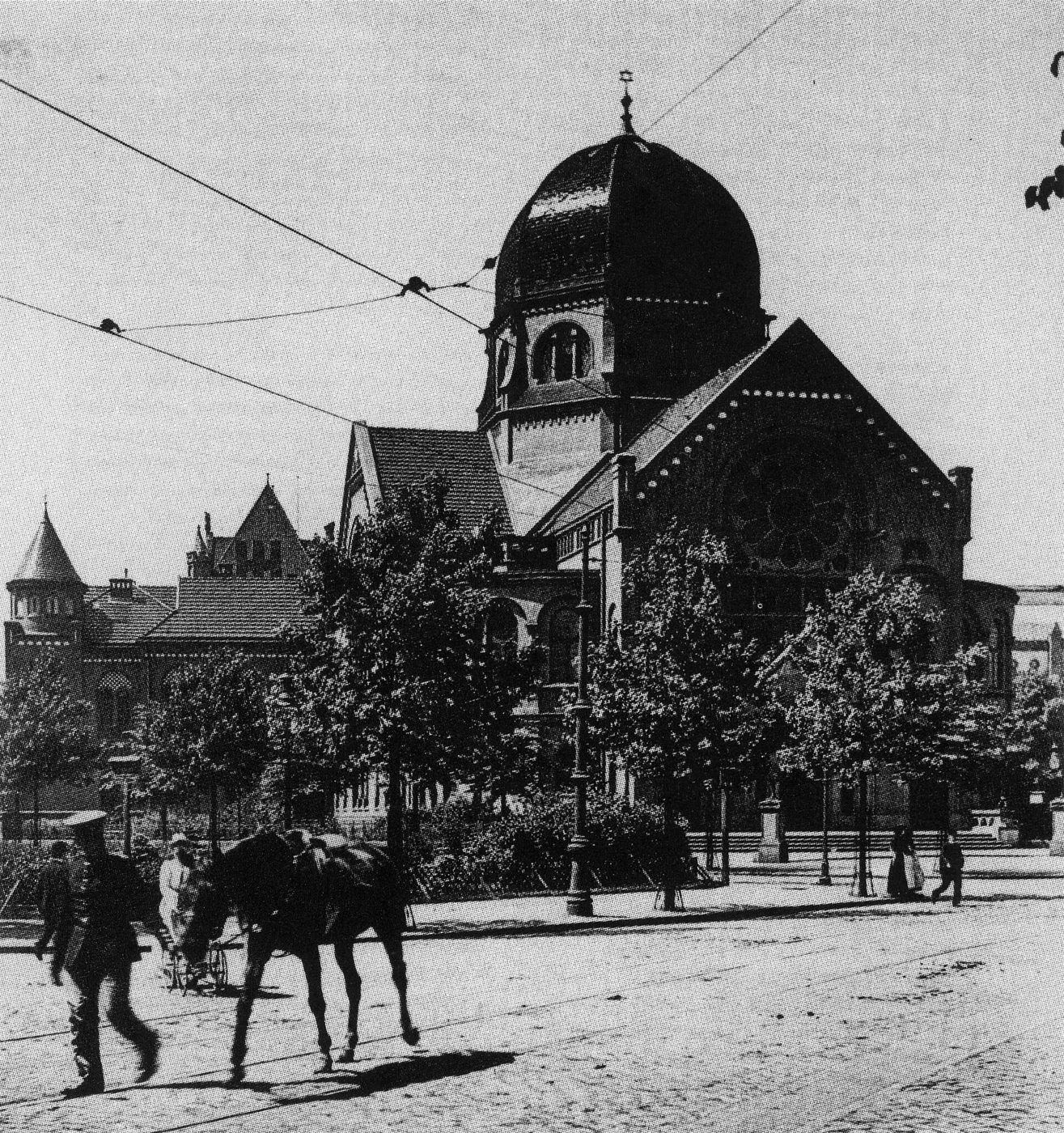
The nineteenth century brought the Great Synagogue and a more settled communal structure, fitting for a port city that had learned how to turn migration into civic permanence.
Bordeaux’s Jews were merchants first, but they were never only merchants.
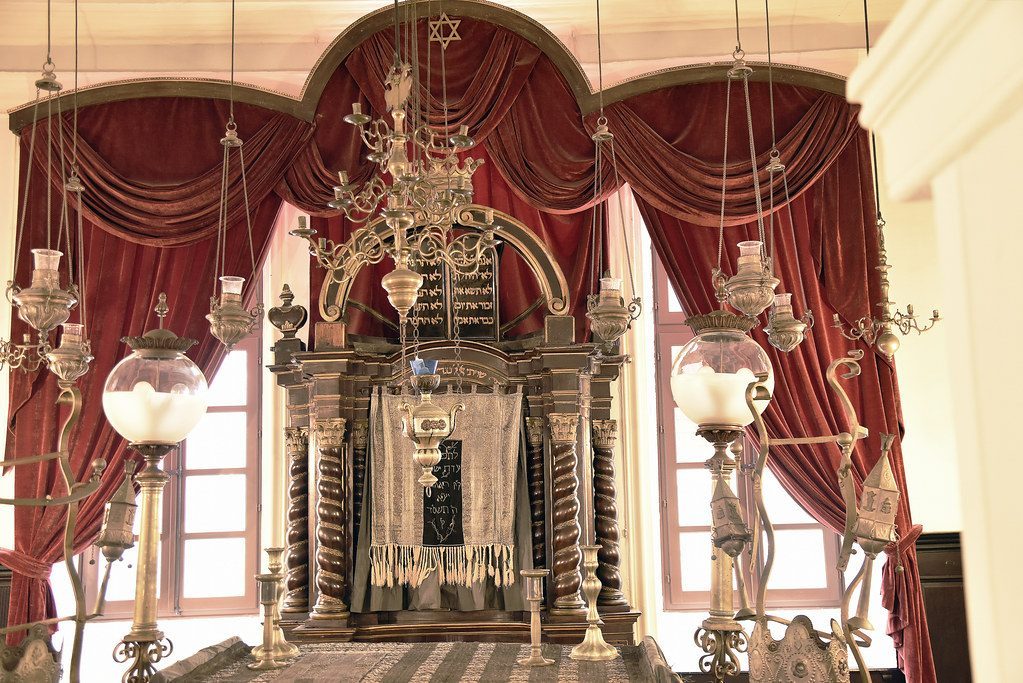
The Bordeaux community kept its Spanish and Portuguese liturgy long after its members spoke French in the street.
Bordeaux turned a port of disguise into a port of belonging.a port of belonging
Emancipation and the Great Synagogue
French emancipation in 1790 removed the legal barriers that had shaped Bordeaux Jewry, and the Great Synagogue was completed in 1877. Together they mark the passage from merchant enclave to full civic community.
Great Synagogue of Bordeaux; Jewish Virtual LibraryA French Sephardi harbour
Bordeaux shows how exile can become institution without losing its accent.
The port learned the difference between hiding and arriving.