Most of what survives from ancient royal archives is administration - lists of grain, oil and wool moving through a palace store, drawn up by clerks who had no idea anyone would read them three thousand years later. The Weidner tablets belong to exactly that category: dry, bureaucratic, utterly unconcerned with posterity. Which is precisely why they're trusted. Nobody was writing propaganda when they logged how much oil went to a captive from Judah and his five sons.
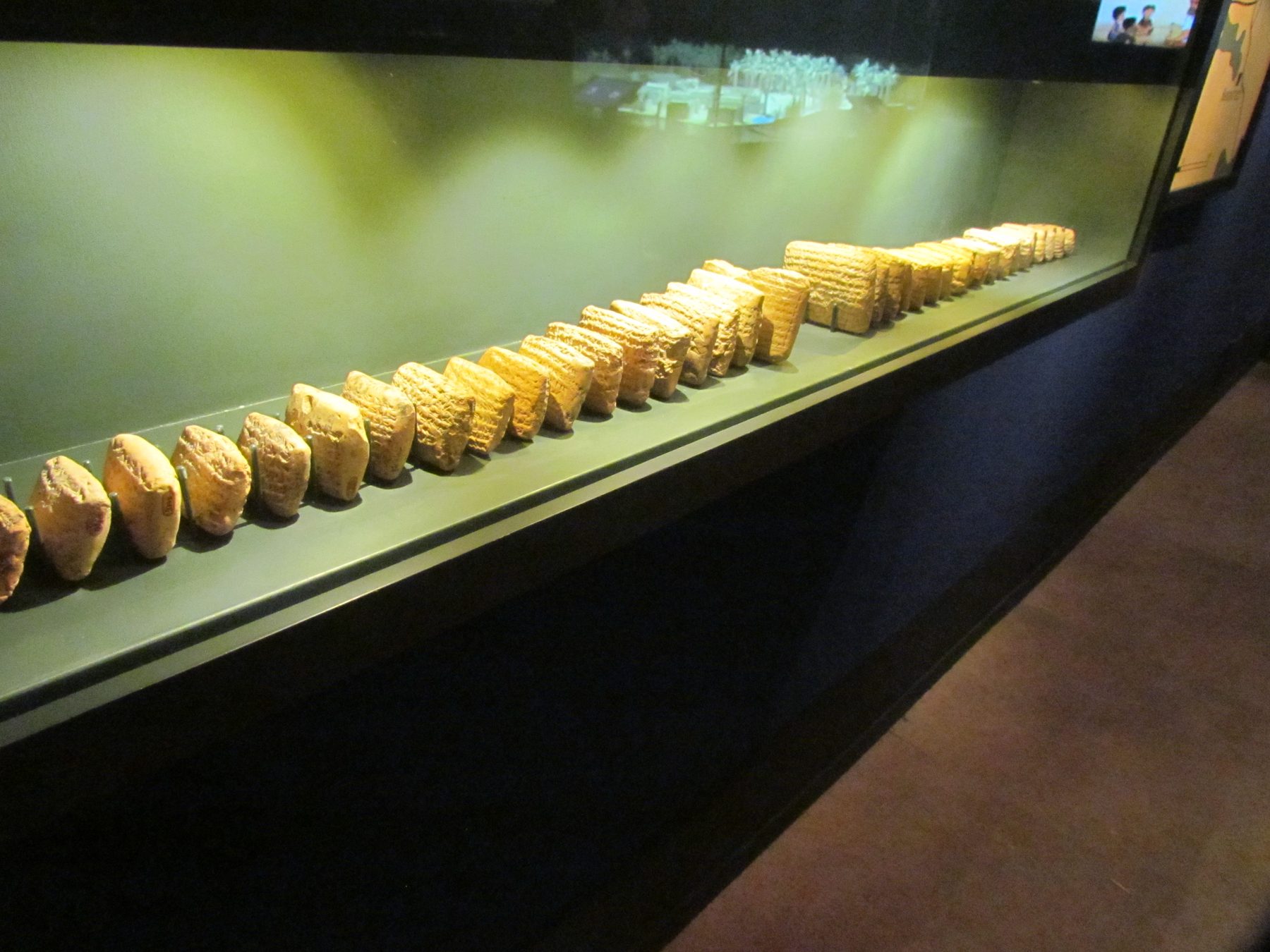
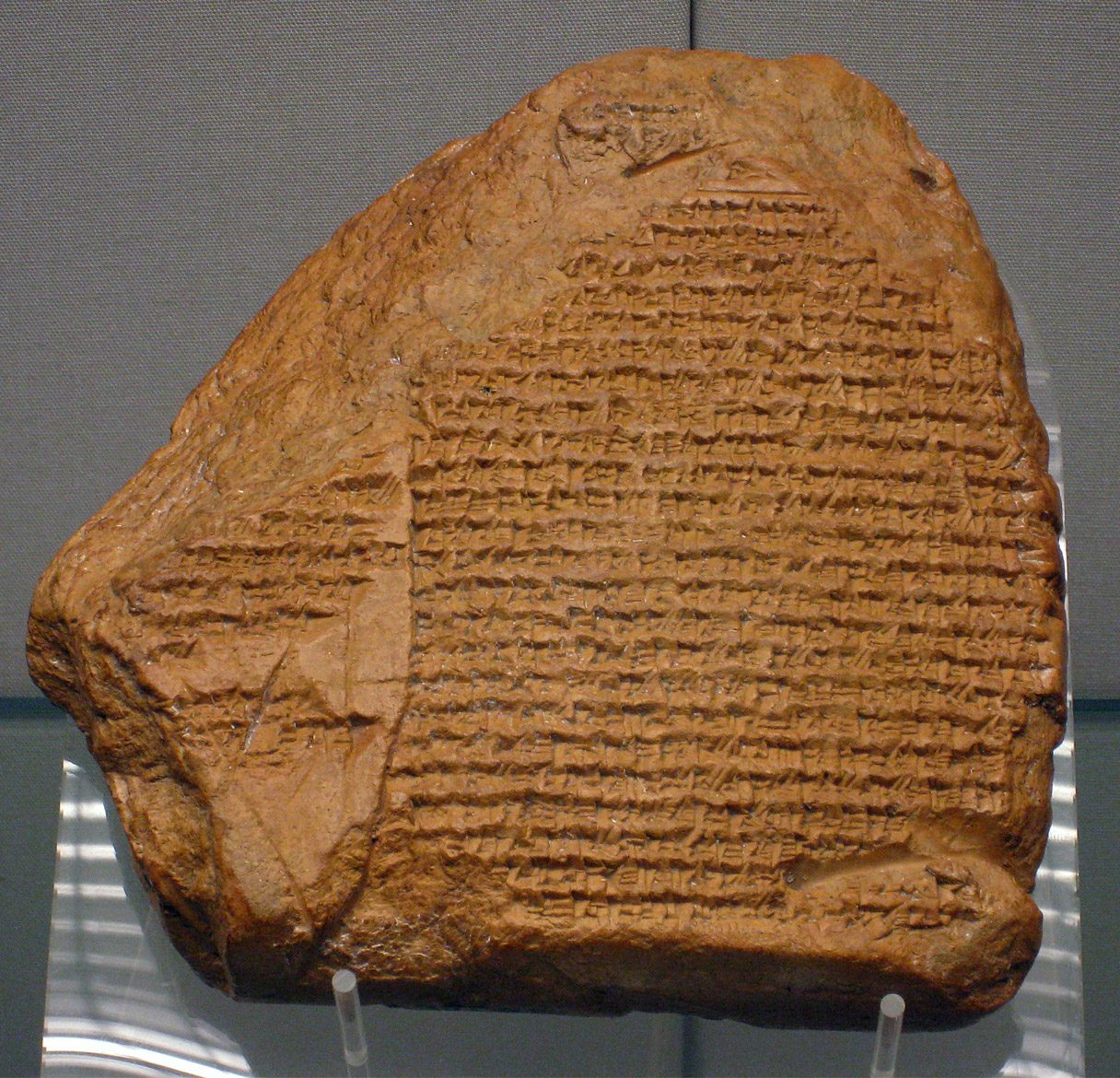
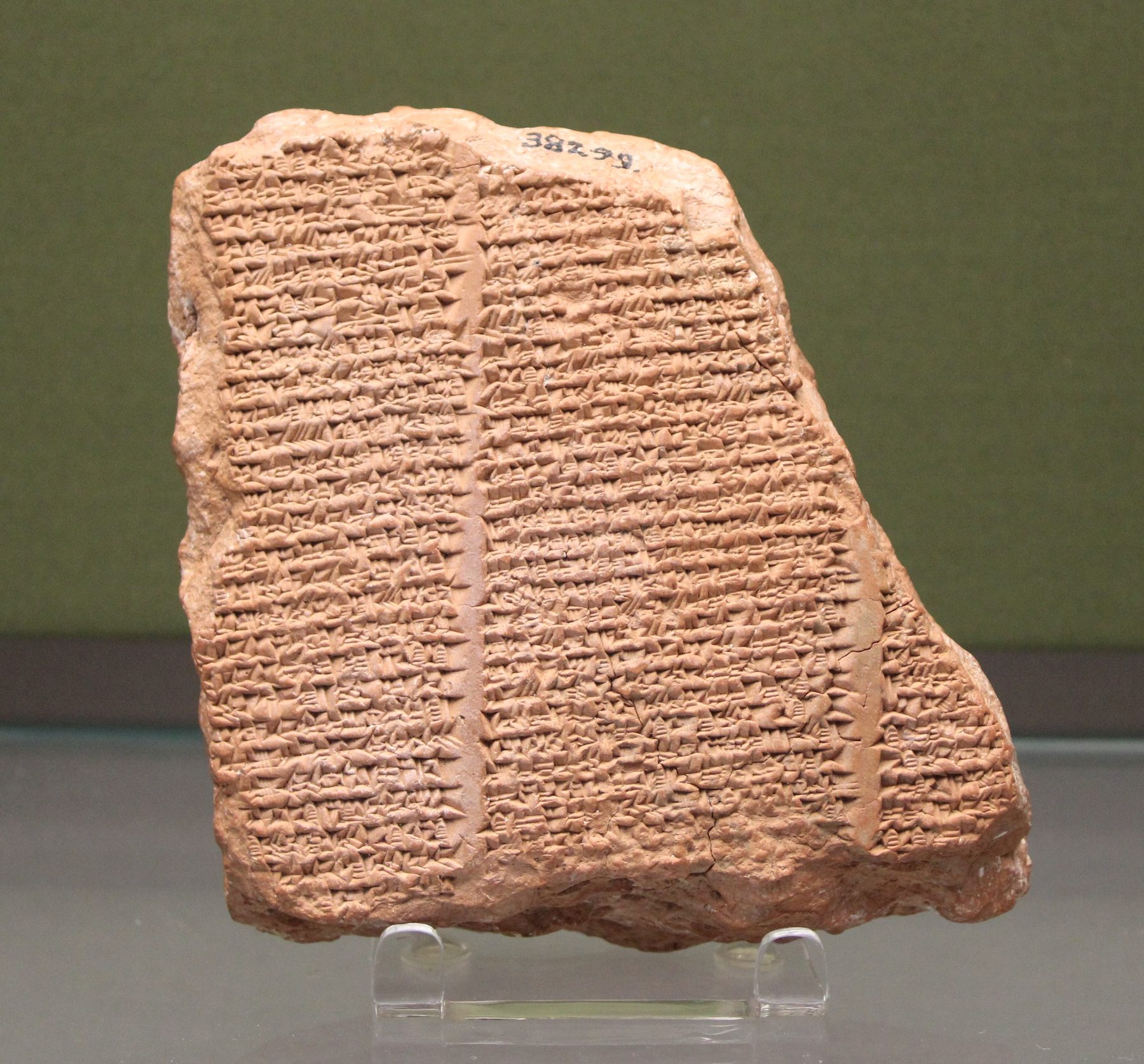
The tablets come from the ruins of Babylon, excavated during the German expedition led by Robert Koldewey in the early twentieth century, and were found among administrative archive material associated with the royal palace complex near the Ishtar Gate. They are cuneiform ration lists, written in Akkadian on clay, recording distributions of oil and other provisions to a range of people attached to or dependent on the Babylonian court - officials, craftsmen, and foreign captives, several of them named by nationality. One entry names "Yaukin, king of the land of Yahud" - the standard Babylonian rendering of Jehoiachin, king of Judah - alongside rations for his sons.

Why a ration list matters
The Second Book of Kings ends with a coda: Jehoiachin, deposed and deported after surrendering Jerusalem in 597 BCE, is eventually released from prison in Babylon by Evil-Merodach - Amel-Marduk - and given a seat above the other exiled kings and rations for the rest of his life "as long as he lived" (2 Kings 25:27-30; the same account closes the Book of Jeremiah, at 52:31-34). It's a strange note to end a history on: not a triumph, not a disaster, just an old king allowed to eat at the king's table in a foreign capital. For a long time it read as a literary flourish, plausible but unverifiable - the kind of detail a later editor might supply to round off a story.
The Weidner tablets don't confirm that final act of clemency; they're too early for that, dating to well before Jehoiachin's eventual release. What they confirm is the world the story assumes. Jehoiachin was not merely a prisoner lost in an anonymous deportation. Babylonian administrators, keeping records for no one's benefit but their own, still called him "king" and issued him and his household oil from the royal store, years into his captivity. The biblical account of a deposed king kept in some recognised state at the Babylonian court is not a flattering invention - it matches an independent administrative record with no stake in Judah's story at all.
The Weidner Ration Tablets
A group of cuneiform administrative tablets from the royal palace archive at Babylon, written in Akkadian and recording oil rations issued to officials, craftsmen and foreign captives at the Babylonian court. Excavated during Robert Koldewey's German excavations of Babylon in the early twentieth century. Dated by internal regnal reckoning to the reign of Nebuchadnezzar II. Several entries name "Yaukin, king of the land of Yahud" - Jehoiachin, king of Judah - and his sons, receiving rations decades into his exile. The tablets are named for the Assyriologist Ernst Weidner, who published the group in 1939.
Pergamon Museum, Berlin - Vorderasiatisches MuseumWhat the tablets can't do is tell the rest of the story. They're a snapshot, not a narrative - a clerk's tally from one set of years in a captivity that stretched on for decades. They say nothing about the eventual release under Evil-Merodach, nothing about what happened to Jehoiachin's line afterwards. For that, the only source is the biblical text itself. But the tablets do something narrower and more valuable than confirming a plot: they confirm that the world the plot is set in was real. A king of Judah, by that name and that title, was in Babylon, drawing rations from the palace store, at the time the Bible says he should have been.
Babylonian clerks, keeping records for no one's benefit but their own, still called him king. Nobody was writing propaganda when they logged his oil.
The release of Jehoiachin
The closing verses of 2 Kings (mirrored in Jeremiah 52:31-34) describe Jehoiachin's eventual release from Babylonian custody by Evil-Merodach, who gave him a seat above the other exiled kings and a regular allowance of food "for all the days of his life". The Weidner tablets predate this event, but establish the same court's earlier practice of recording rations for Jehoiachin by name and title - independent administrative evidence that the biblical account is describing a real institutional arrangement, not a literary invention.
Hebrew Bible, 2 Kings 25:27-30 (textual source)Further reading