The Gihon Spring is the reason Jerusalem exists where it does. It is the city's only natural water source, an intermittent karstic spring rising in the Kidron Valley at the foot of the ridge now called the City of David, and every settlement on that ridge - Canaanite, Israelite, and everything after - built itself around the problem of reaching it safely. A spring in a valley floor is useless to a fortified hilltop unless its people can get to it without leaving the protection of their walls, especially when an enemy is camped outside them. The waterworks cut into the rock above the spring are the physical answer to that problem, and they are still there to be walked through.
The best-known element of the system is Warren's Shaft, named after Charles Warren, a British Royal Engineers officer who explored Jerusalem's underground water channels for the Palestine Exploration Fund in the 1860s. Warren traced a route from within the ancient city down through cut tunnels to a vertical shaft that drops toward the level of the spring below. For over a century the shaft was read as an ingenious piece of Bronze or Iron Age engineering: a vertical drop that let the city's inhabitants lower a jar on a rope and draw water from inside the walls, never stepping outside where a besieging army could see or reach them.

What is actually cut into the rock
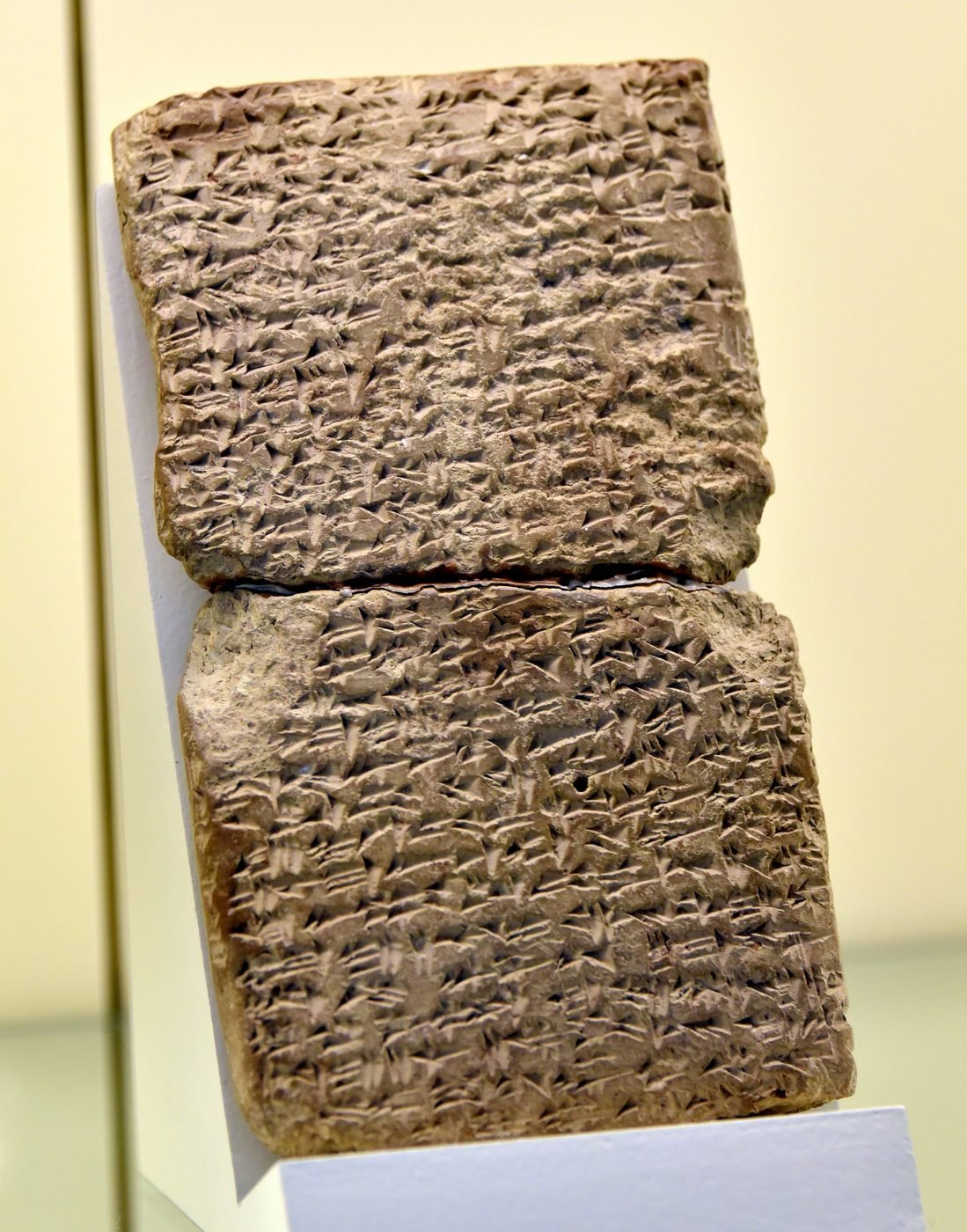
Strip away the modern walkways and lighting installed for visitors, and the system is a sequence of rock-cut spaces: tunnels running from the area of the ancient city down toward the spring, a steep stepped passage, and the vertical shaft itself, open at the top and dropping down toward the water level. The Gihon Spring feeds a pool cut into the rock nearby, and from there several channels and tunnels of different periods carry water further - including, later, the famous tunnel commissioned by King Hezekiah that runs beneath the ridge to the Pool of Siloam, its walls bearing the Siloam Inscription. Warren's Shaft is older than that tunnel and belongs to an earlier stage of the same long project: getting a walled city safely to its water.
Excavations at the spring itself, carried out by archaeologists working for the Israel Antiquities Authority and the Hebrew University from the 1990s into the 2000s, uncovered something the shaft alone could not show: two massive stone towers guarding the spring and its pool, built directly over the water source and clearly designed to protect it. Those towers had long been assumed to belong to the Israelite monarchy of the First Temple period. Renewed excavation redated them, on the basis of the pottery sealed beneath their foundations, to the Middle Bronze Age - centuries earlier, to the Canaanite city that stood on the ridge before David's conquest. Whoever fortified the spring first did so long before there was a Kingdom of Israel to defend it.
Warren's Shaft
A vertical, rock-cut shaft connected by tunnels to the ancient city above the Gihon Spring, first explored and mapped by Charles Warren for the Palestine Exploration Fund. Long interpreted as a deliberately engineered means of drawing water from inside the city walls during a siege. The shaft and its approach tunnels are cut through the same limestone ridge as the spring itself and remain accessible in situ, within the City of David site in Jerusalem.
City of David, JerusalemA theory tested by renewed excavation
The shaft's fame owes a great deal to a single biblical verse. Second Samuel describes David's forces taking the Jebusite stronghold on this ridge by going up through a water channel, and for generations that channel was identified with Warren's Shaft - a tidy, dramatic reading in which the very feature meant to keep a besieging army out became the route by which one got in. It is a good story, and it is exactly the kind of claim this register exists to test rather than simply repeat.
Renewed excavation at the spring complicated the picture considerably. Archaeologists working the site closely in the 1990s and 2000s found that the vertical part of Warren's Shaft is largely a natural karstic feature - a fissure enlarged by water dissolving the limestone over a very long time - rather than something cut by hand from top to bottom. They also found that the shaft, as it survives, may never have been usable as a water-drawing route at all in the periods usually discussed: parts of the connecting tunnels were shown to be too rough, or to date to too late a period, to support the classic siege-water reading. The same excavations identified a separate, earlier route - a stepped tunnel leading down to a pool fed directly by the spring - as the more plausible way ancient Jerusalemites actually reached the water under cover.
The Spring Tower and Pool Tower
Two massive stone towers built directly over the Gihon Spring and its adjacent pool, uncovered by excavations at the site and dated, on the basis of pottery sealed beneath their foundations, to the Middle Bronze Age - the period of the Canaanite city that preceded Israelite Jerusalem. The scale of the towers shows that control of this single spring was already a first-order priority for the ridge's fortifications centuries before the First Temple period.
City of David, JerusalemNone of the reassessment diminishes what the site proves. Whether or not Warren's own vertical shaft was ever the working route, the wider complex around it - the spring, the pool, the fortification towers, the later Siloam Tunnel and inscription - is a continuous record of one problem being solved, generation after generation, on the same ridge: how does a city on a hill keep drinking when an army sits at its gate. Jerusalem answered that question in stone before it had a Temple, and kept answering it after. The waterworks are not a single triumphant feat of engineering credited to one king or one century. They are a working system, patched, extended and re-cut by successive builders who all understood exactly what was at stake if the spring were ever lost.
Further reading
Story & Stone · Glass Case
Next on the shelf: more evidence that refuses to stay quiet →