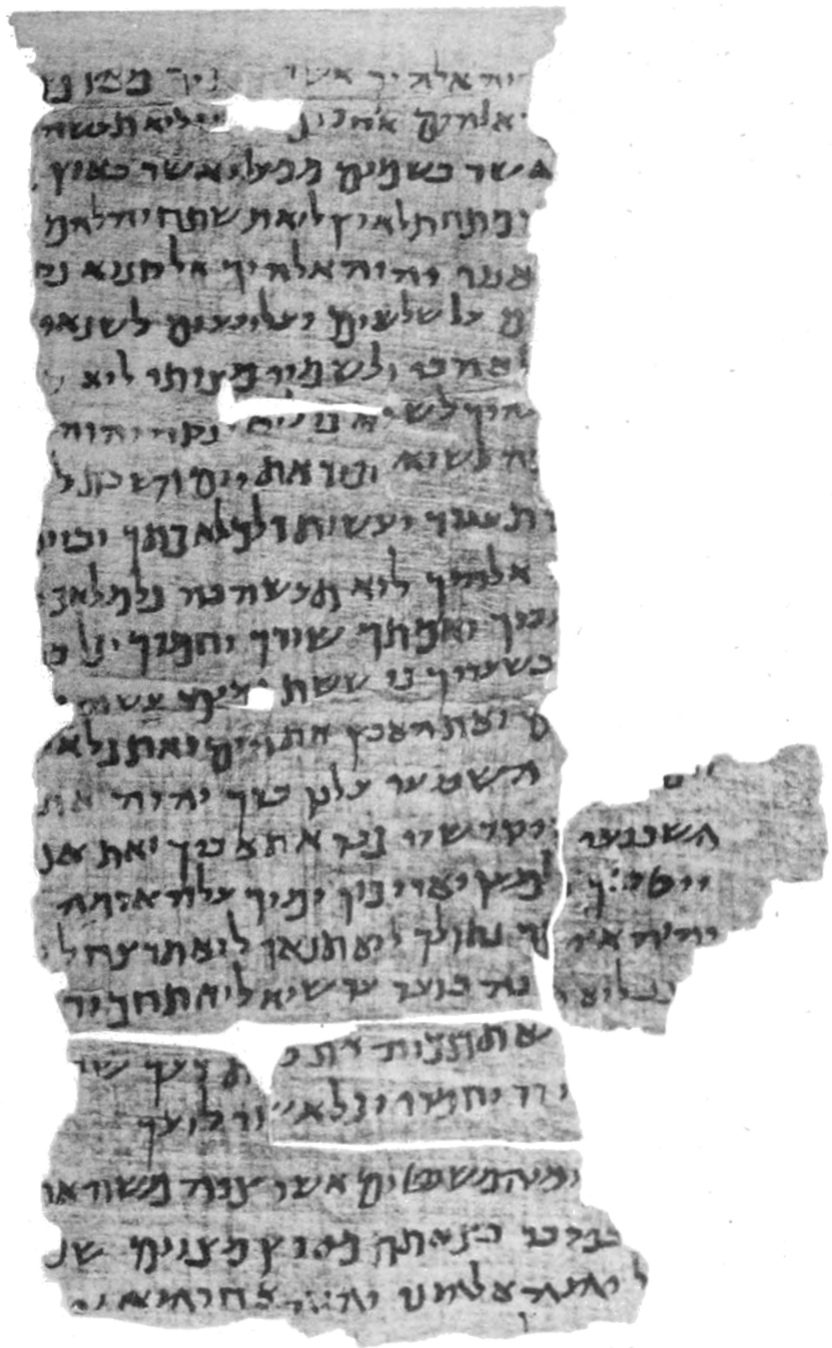
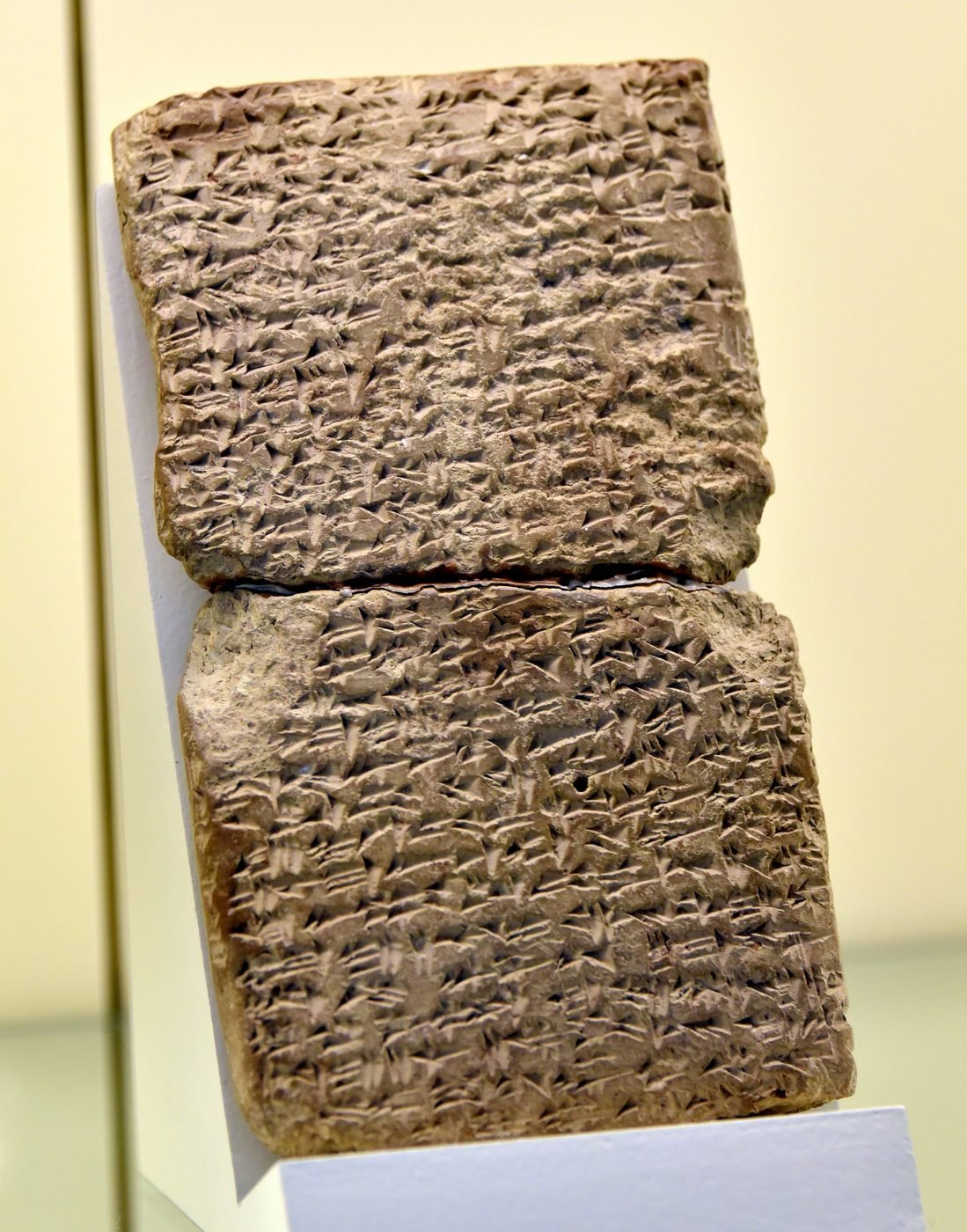
Most of what survives from third-century BCE Judaea survives because someone, later, thought it worth copying or quoting. The Zenon papyri survive for the opposite reason: nobody thought about them at all. They are the discarded working papers of a business agent named Zenon, who travelled through Ptolemaic Egypt and the province the Greeks called Syria and Phoenicia - including Judaea - on behalf of his employer, and who kept, or whose office kept, drafts, accounts, letters and receipts by the thousand. Buried in rubbish and later reused as wrapping and packing material for mummified crocodiles at Egyptian sites, they were never meant to last. They lasted anyway, in Egypt's dry sand, and they are now one of the largest bodies of everyday documentary evidence for how the Ptolemaic empire actually ran its Judaean territory in the generation before the Maccabean revolt.
The archive is enormous by ancient standards - several thousand papyrus texts, most of them in Greek, spanning roughly the 260s to the 240s BCE. Only a fraction concerns Judaea directly, but that fraction is disproportionately valuable, because it is administrative rather than literary. Where the biblical and later rabbinic record narrates and interprets, the Zenon texts merely transact: an order for slaves, a note about a shipment of nard, a complaint about unpaid wages, a letter from a Jewish official arranging the delivery of goods. None of it was written to make a theological or political point. That is exactly what makes it evidence rather than argument.

What the papyri are
The core of the archive comes from the ruins of Philadelphia, a village in Egypt's Fayyum region, where Zenon later managed a large agricultural estate on Apollonios's behalf. Papyri from that estate's files - drafts, copies and incoming correspondence, much of it kept because it was still useful for reference or reused as scrap - were recovered by excavators and by the antiquities trade beginning in the early twentieth century. A smaller, distinct group relates to Zenon's earlier journey through Judaea and the wider Levant, undertaken as part of Apollonios's business interests in the province. Together the two groups give historians something rare: a documentary record of Ptolemaic administration written by the administrators themselves, not by chroniclers looking back.
The Judaean material includes letters and accounts naming villages, individuals and transactions across the province - purchases of slaves, orders for produce, disputes over debts and wages, and correspondence passing between Zenon's circle and local figures. Because the documents are dated by regnal year and often by month, and because many name specific places, they let historians reconstruct a working map of Ptolemaic Judaea's economy with a precision no literary source offers: which villages traded what, which officials handled which transactions, and how an imperial bureaucracy reached down into ordinary Judaean life.
The published corpus
Several thousand papyri, overwhelmingly in Greek, recovered chiefly from the site of ancient Philadelphia in Egypt's Fayyum basin, with a smaller related group connected to Zenon's journey through Syria and Phoenicia. Excavation and acquisition began in the early twentieth century, and the material passed into several major collections, including papyri now held in Cairo, London and other European and American papyrus collections. Publication has proceeded across decades in scholarly corpus volumes under the standard papyrological numbering used for the archive. The texts are dated internally by the regnal years of Ptolemy II, which anchor the archive firmly within his reign.
Published papyrological corpus; papyri held in multiple international collectionsJudaea inside the machine
What the Judaean fraction of the archive shows, read together, is a province thoroughly integrated into Ptolemaic administration - taxed, surveyed, and drawn into an economy that ran from the Nile to the Levantine coast. Villages in Judaea appear in the correspondence as ordinary points on a commercial map, their produce and labour moving through the same accounting system as estates in Egypt itself. Jewish individuals appear too, not as a separate category singled out for comment but as participants in the same transactions as everyone else - buying, selling, corresponding, occasionally complaining about pay, exactly as their non-Jewish neighbours did. The Judaea of the Zenon papyri is not a distant or theoretical possession. It is a working part of an empire, documented in the empire's own paperwork.
The archive also names a member of the Tobiad family, a Jewish landowning dynasty based east of the Jordan whose head held military and administrative standing under Ptolemaic patronage and corresponded directly with Apollonios's circle on matters of business and, in at least one letter, gifts sent to the Ptolemaic court. The Tobiads are known from later literary sources, including Josephus, as power-brokers who moved between Jewish and Greek worlds in the century before the Maccabean revolt; the Zenon correspondence is the earliest surviving documentary confirmation that a figure from this family held exactly the kind of standing those later accounts describe, writing to the highest levels of Ptolemaic administration in his own name and on his own authority.
The Tobiad letters
Among the Judaea-related papyri is correspondence naming a head of the Tobiad family writing to Apollonios, the Ptolemaic finance minister, on matters including military recruitment for Ptolemaic garrison service and gifts dispatched to the royal court. The letters are official business correspondence, not literary narrative, and they place a named Jewish grandee in direct, documented contact with the top of the Ptolemaic administration a full century before Josephus's later, fuller account of the Tobiad family's rise. The correspondence corroborates, independently and contemporaneously, that a Jewish dynasty held real administrative and military standing under Ptolemaic rule in Judaea's neighbouring territory.
Published papyrological corpus, Zenon archiveFurther reading