Beneath the ruined streets of Tel Be'er Sheva, in the northern Negev, a stepped tunnel cuts down through the bedrock to a chamber built to hold water. It is not a well in the ordinary sense - it does not tap a spring - but a cistern, engineered to catch and store runoff so that a town with no natural water source of its own could survive a Negev summer. The tunnel and chamber together are the largest piece of public infrastructure the site has produced, and they say something plain and checkable about the people who built this town: they planned for scarcity before it arrived.
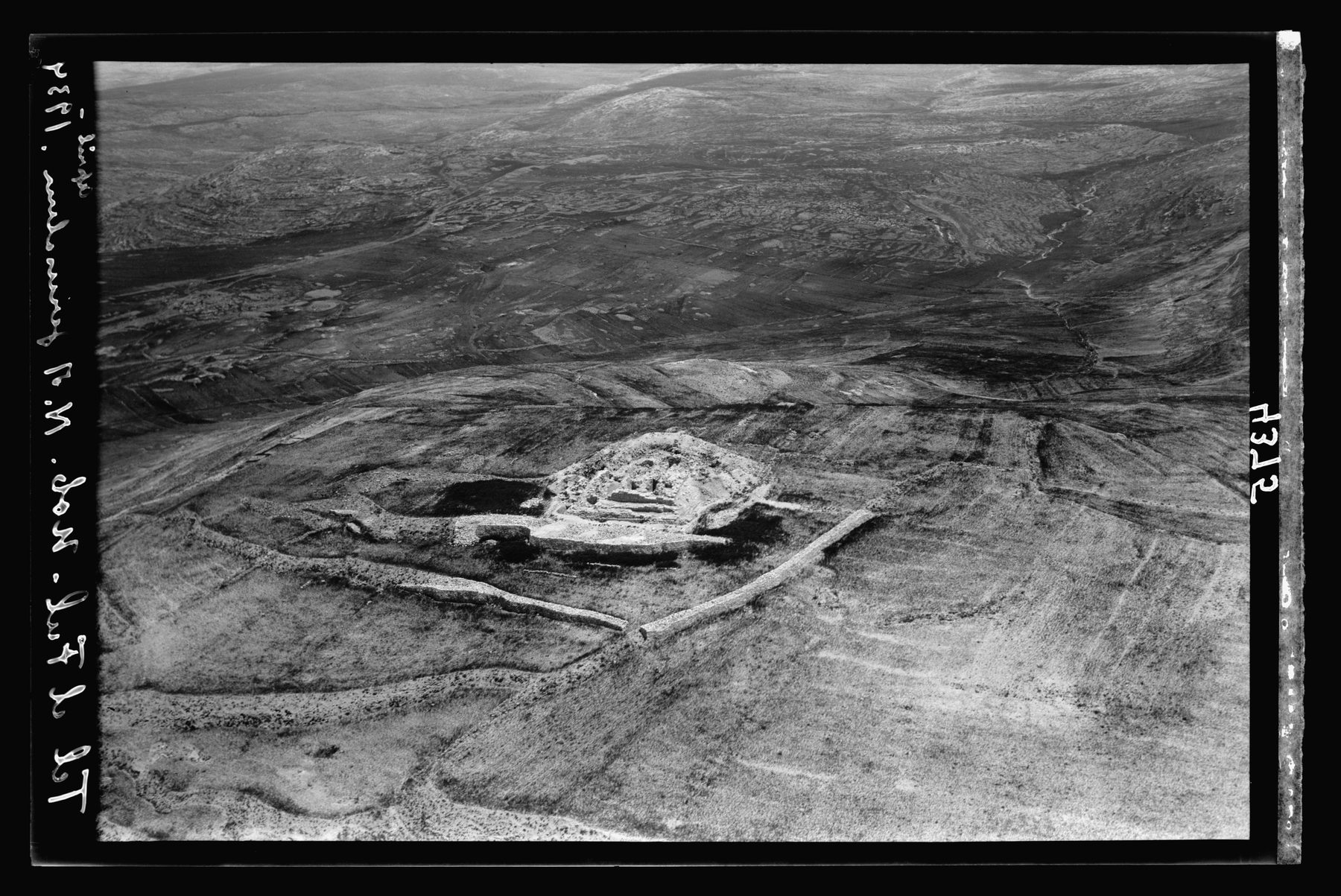
Tel Be'er Sheva is a low mound a short distance from the modern city of Beersheba, excavated across long seasons from the late 1960s through the 1970s and in further campaigns after. The town it preserves was laid out on a deliberate plan - a ring road following the line of the fortifications, a four-chambered gate, storehouses, and administrative buildings arranged with a consistency that reads as central planning rather than organic growth. The water system sits near the gate, where a shaft was cut into the rock and a broad, stepped passage built down to a cistern below, fed in part by a channel that carried water in from outside the wall during flood flow in the nearby wadi. Whoever built this town assumed it would need to store water on a civic scale, not merely well by well in private courtyards.

What the cut rock shows
The engineering itself is the evidence, independent of any text. Cutting a shaft and a stepped access tunnel of this scale through bedrock, then plastering and maintaining a cistern large enough to matter to a whole town, required organised labour, a design carried through from start to finish, and a community willing to commit to a large, slow, unglamorous project because the alternative was worse. That is the signature of a settlement with administrative capacity - the kind of town that also builds gates, storehouses and a perimeter road on a single plan, rather than the kind that grows house by house with no one in charge of the water supply.
The Negev has always been a hard place to keep a town alive. Rainfall is thin and unreliable, and a settlement here either solves the water problem deliberately or it does not last. The system at Tel Be'er Sheva is the town's answer, cut once into the rock and used for generations. It is also, unusually for a find of this kind, still walkable - the steps descend today the way they did in antiquity, which is part of why the site draws visitors rather than only excavation reports.
Cistern and access tunnel
A shaft and stepped tunnel cut into bedrock near the town gate, leading down to a plastered storage cistern, with a channel arrangement designed to admit floodwater from outside the town wall. The system belongs to the fortified Iron Age town on the mound, uncovered in excavations that also exposed the gate, storehouses and street plan. It is presented in situ at Tel Be'er Sheva National Park.
In situ, Tel Be'er Sheva National ParkThe name and the argument
The place name is older in the biblical text than the town on the mound can be shown to be. Genesis has Abraham and later Isaac dig wells and make agreements at Beer-sheba, at the far southern edge of the land the patriarchs move through. Whether the mound now excavated is the physical setting of those stories, or simply inherited the older name and the older significance of "a well in the south" as later towns grew up nearby, is not something the water system by itself can settle. What the cistern and tunnel can settle is narrower and no less real: by the Iron Age, a real, planned, walled town stood here, and it took its water supply seriously enough to cut a public cistern out of solid rock.
The scholarly argument that does attach to this site is chronological, not about whether the town existed. Specialists differ over how tightly the building phases at Tel Be'er Sheva and comparable Iron Age sites can be pinned to particular centuries and particular kings, and over how the destruction layers found here relate to the historical record of Assyrian campaigns into Judah in the eighth century BCE. That is a debate about dates and strata, worked out stratum by stratum against pottery typology and comparative sites. It does not touch the plainer point the rock itself makes: someone, in the Iron Age, engineered a civic water system for this town and built it to last.
Why it counts as evidence
A stone inscription can be forged, mistranslated or read too eagerly. A cistern cut through bedrock cannot. It is simply there, doing what it was built to do, requiring no interpretation to prove that a community with the means to plan, organise labour and think ahead about drought once lived on this mound. That is a modest claim and a solid one - the kind evidence is supposed to make. It corroborates, without needing to prove anything grander, that Iron Age settlement in the Negev was neither primitive nor accidental. Someone here was already solving hard engineering problems long before any prophet had cause to mention the town by name.
Further reading