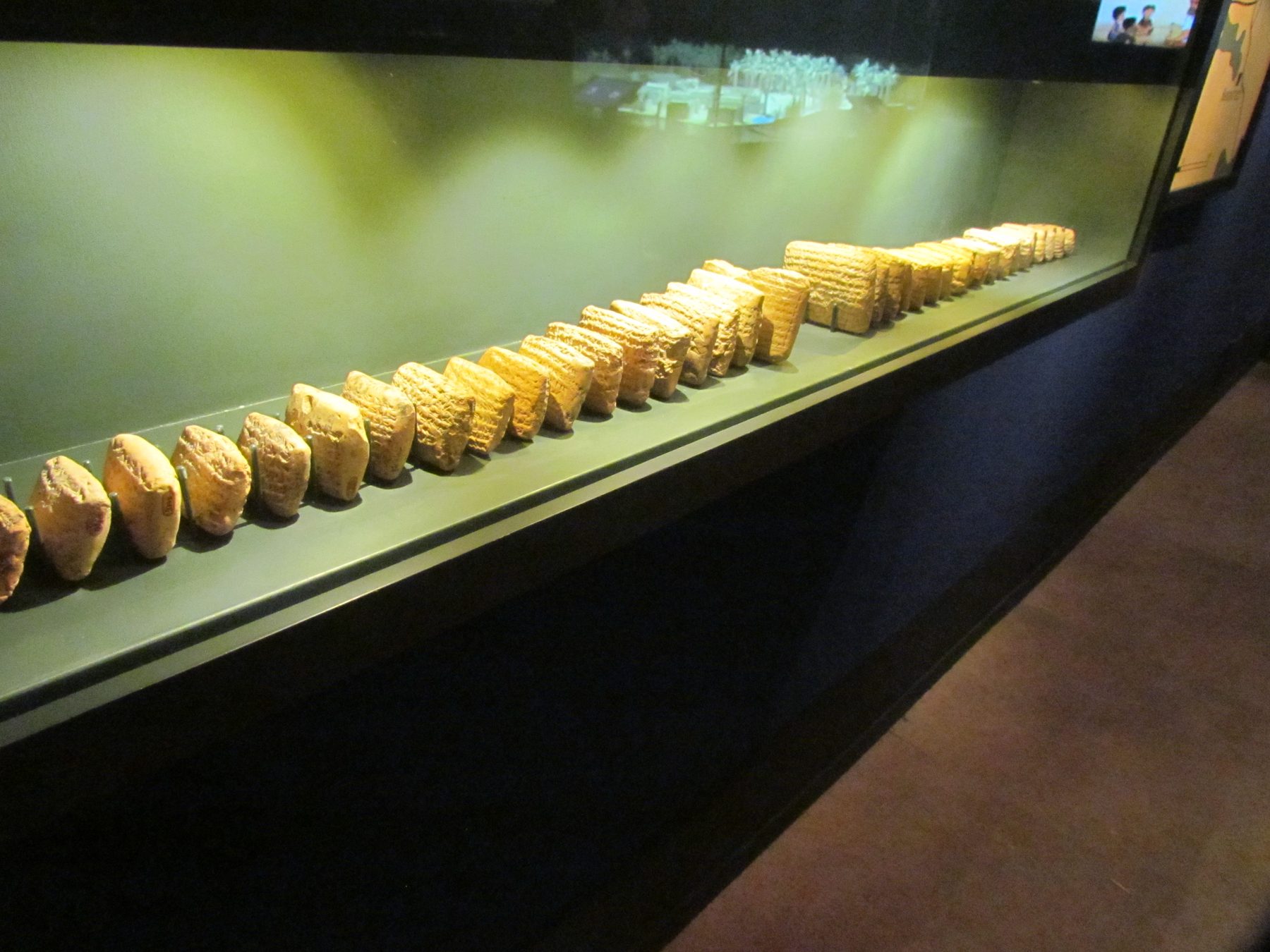
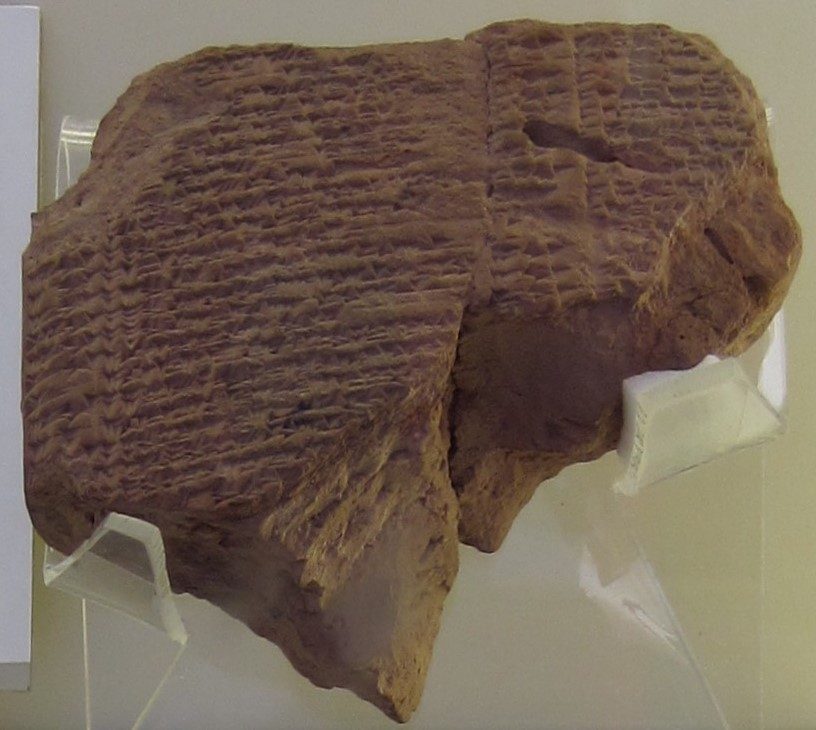
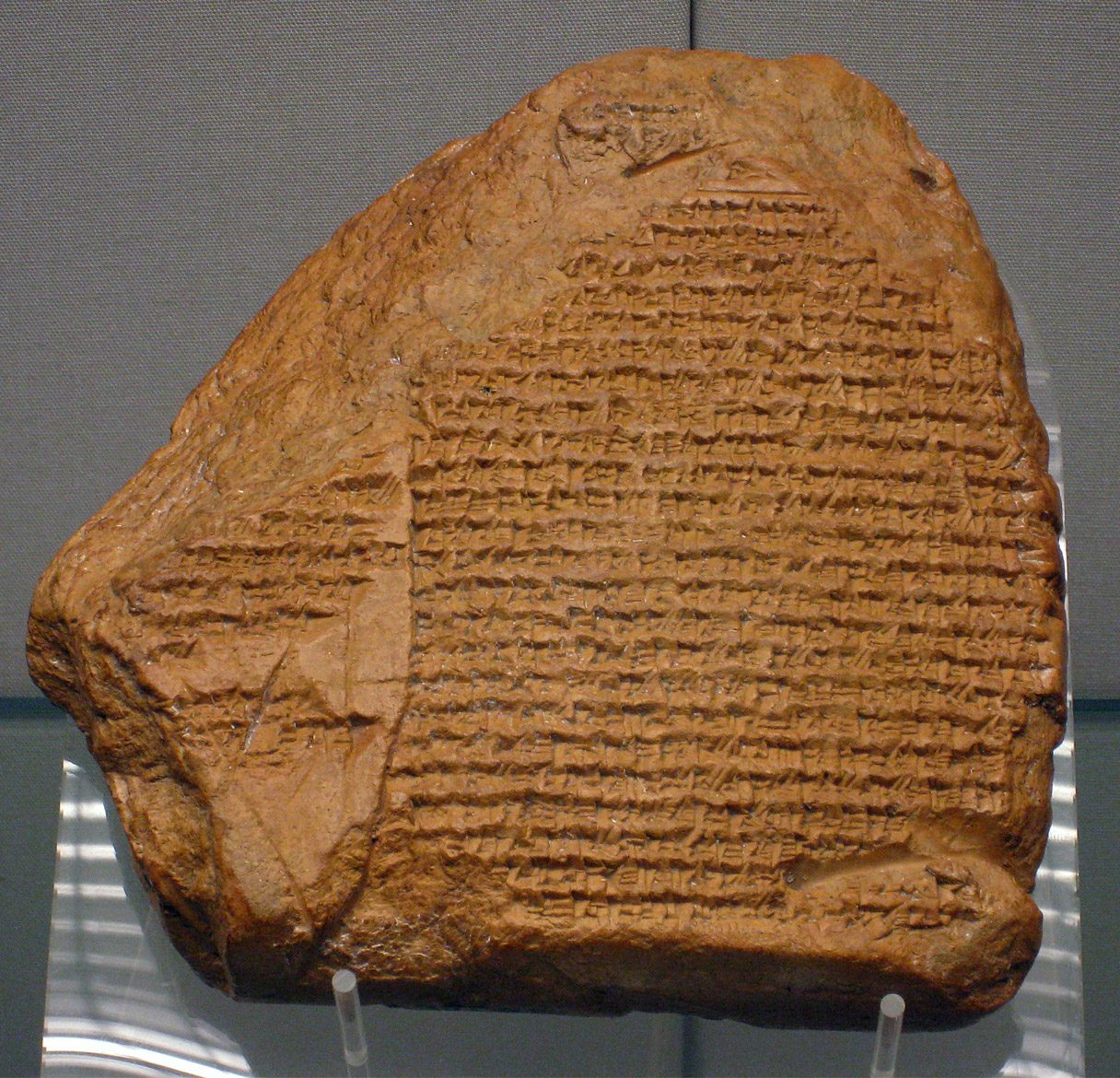
The tablets are a hostile witness, and that is exactly what makes them useful. The Verse Account of Nabonidus is a Babylonian composition, written in a formal poetic style, that attacks the last king of independent Babylon for neglecting the city's chief god, ignoring its rites and - most damningly to the people who wrote it - simply not being there. It survives on fragmentary cuneiform tablets now held at the British Museum. It was written by someone with every reason to want Babylon's old order gone, and it reads that way on every line. Read carefully, against other evidence, it still tells us something real: that Babylon under Nabonidus was a kingdom out of joint, and that the disorder was visible enough for a rival power to exploit.
That rival was Cyrus of Persia, whose entry into Babylon in 539 BCE ends the story this text is building toward, and opens the door through which Judean exiles would walk home. The Verse Account was not written to help later historians understand Nabonidus fairly. It was written to help Cyrus's Babylon understand why the change of ruler was welcome. Both things can be true of the same document, and a careful reader needs to hold them apart.

What the text says
The Verse Account accuses Nabonidus of a catalogue of failures against Babylonian religious order. He is said to have altered the proper rites, made an image of the moon-god Sin unlike anything ordained, and shown contempt for Marduk, the chief god of Babylon and the deity whose favour legitimised any Babylonian king. Above all it dwells on absence. Nabonidus is portrayed as having left Babylon for years, residing far off in the Arabian oasis of Tayma while his son, generally identified with the figure the Bible calls Belshazzar, held the city in his place. For a Babylonian audience steeped in the idea that the king's presence at the New Year festival, the akitu, renewed the bond between the city and its god, a king who was simply not there was not a minor lapse. It was a broken covenant with the capital itself.
The text goes on to describe Cyrus's arrival as restoration rather than conquest: the god Marduk himself, in this telling, seeks out a worthy king and finds him in Cyrus, who is said to enter Babylon peacefully, to popular relief. It is the mirror image of the Cyrus Cylinder's own account of the same events, written from the winning side and preserved as an artefact in its own right, and the two texts read best side by side.
A hostile portrait, on broken clay
The Verse Account of Nabonidus survives on cuneiform tablet fragments in the British Museum's collection. Written in an elevated, formal register modelled on older Babylonian literary forms, it catalogues Nabonidus's religious innovations, his years away from Babylon at Tayma, and his neglect of Marduk's cult, before turning to Cyrus's entry into the city as a welcome correction. No complete manuscript survives; the text is reconstructed from more than one damaged piece.
British Museum, cuneiform collectionWhy it matters as evidence
For readers of the Jewish story the value of the Verse Account is not that it mentions Judeans - it does not - but that it corroborates, from the losing side's own propagandists, the picture of a distracted, absentee Babylonian kingship that other sources also describe. The Babylonian Chronicle records the same years at Tayma in flatter, administrative language. The Cyrus Cylinder records the same transfer of power from the winning side's perspective, and speaks of Cyrus restoring displaced peoples and their gods to their own places, a policy the Book of Ezra credits with permitting the return of Judean exiles and the rebuilding of the Jerusalem Temple. None of these documents is neutral. Set together, though, they converge on the same underlying event: a change of empire in 539 BCE that was experienced, on the ground, as an opening rather than merely a conquest.
The Verse Account also gives the biblical figure of Belshazzar a documented context. A son of Nabonidus left in charge of Babylon while the king was elsewhere fits, in outline, the position the book of Daniel gives him at the city's fall - even though the biblical text calls him king outright, a title he never formally held. The tablets do not settle every question about how that story was later told. They do confirm that the arrangement it depends on - an absent king, a son ruling in his place - was a real and remarked-upon feature of Babylon's last years.
Three hostile and friendly witnesses, one event
The Babylonian Chronicle, the Verse Account of Nabonidus and the Cyrus Cylinder are three separate cuneiform sources touching the same span of years: Nabonidus's absence at Tayma, his son's regency in Babylon, and Cyrus's entry into the city. They disagree in tone - administrative record, hostile satire, victor's proclamation - but agree on the shape of events, which is what gives the convergence its evidential weight.
British Museum and Babylonian textual recordFurther reading