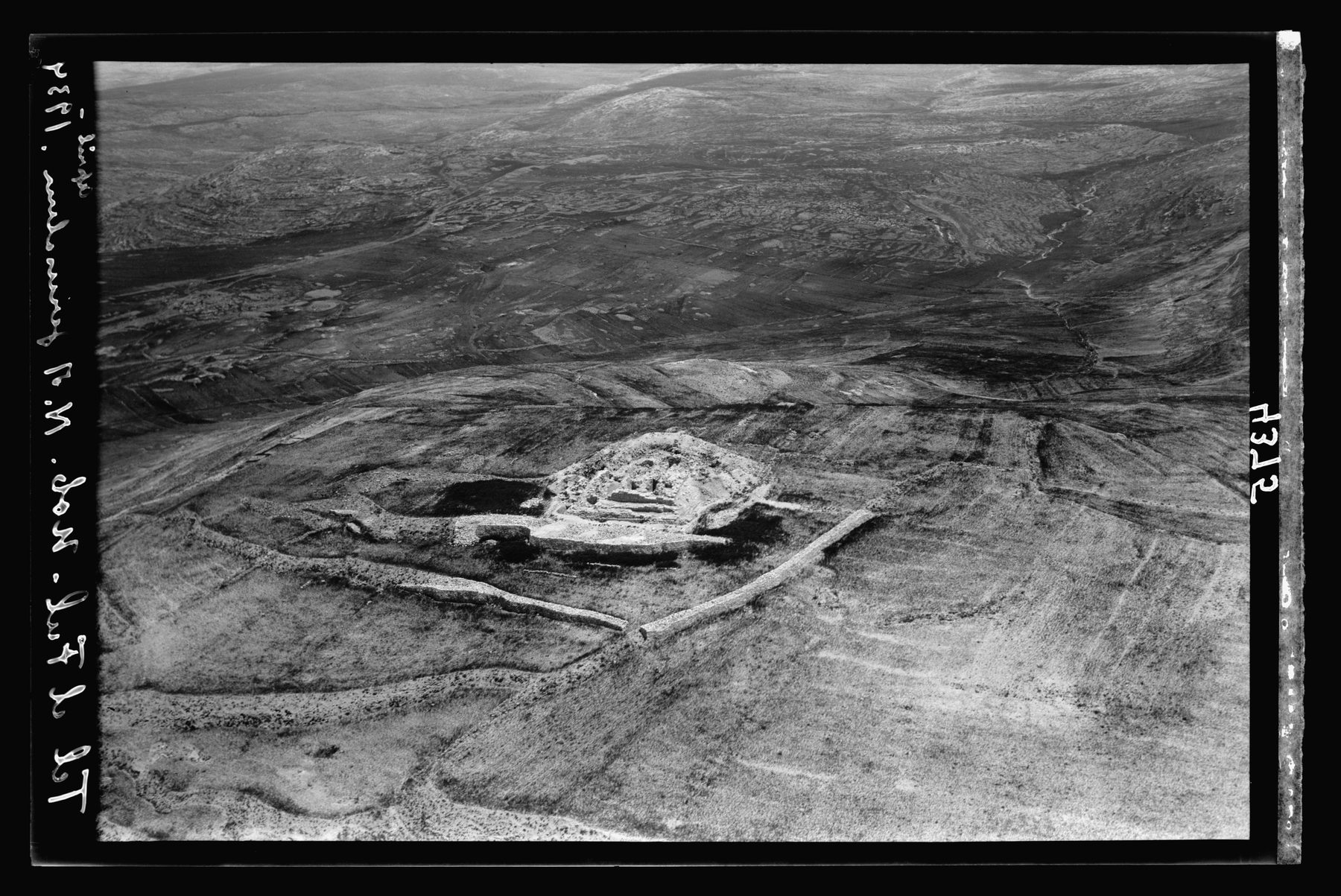
Tel Arad sits in the Negev, on the arid frontier between settled Judah and the desert routes to Edom and the Arabah. It was a border fortress, one link in a chain of strongholds meant to watch the roads and warn Jerusalem of trouble from the south. Fortresses of this kind usually yield weapons, storerooms, administrative debris - the ordinary residue of a garrison. Arad yielded all of that. It also yielded a temple.
Excavations at the site, carried out through the 1960s under the direction of Yohanan Aharoni, uncovered a religious structure built into the northwest corner of the fortress and used across several building phases of the Iron Age. It follows a plan that a reader of the Hebrew Bible would recognise: a courtyard holding a sacrificial altar, a main hall, and a small raised inner chamber - a holy of holies - set back from the entrance. Inside that inner chamber stood two carved limestone incense altars and an upright stone, a matzevah, flanked by a pair of stone masseboth against the back wall. It is the closest thing found anywhere to a physical Judahite temple in miniature, built and used while the Temple in Jerusalem was itself standing.

A second house, quietly tolerated
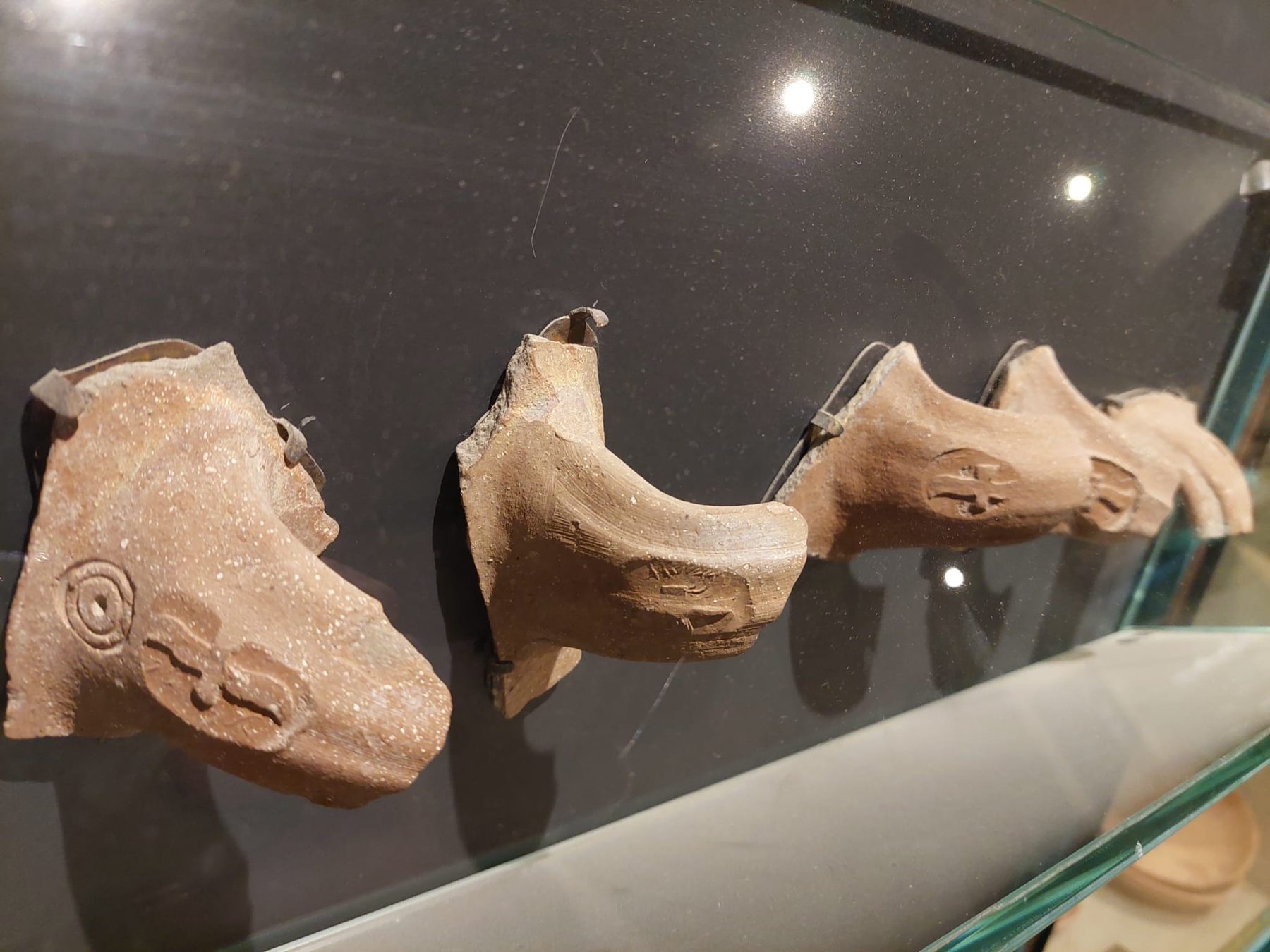
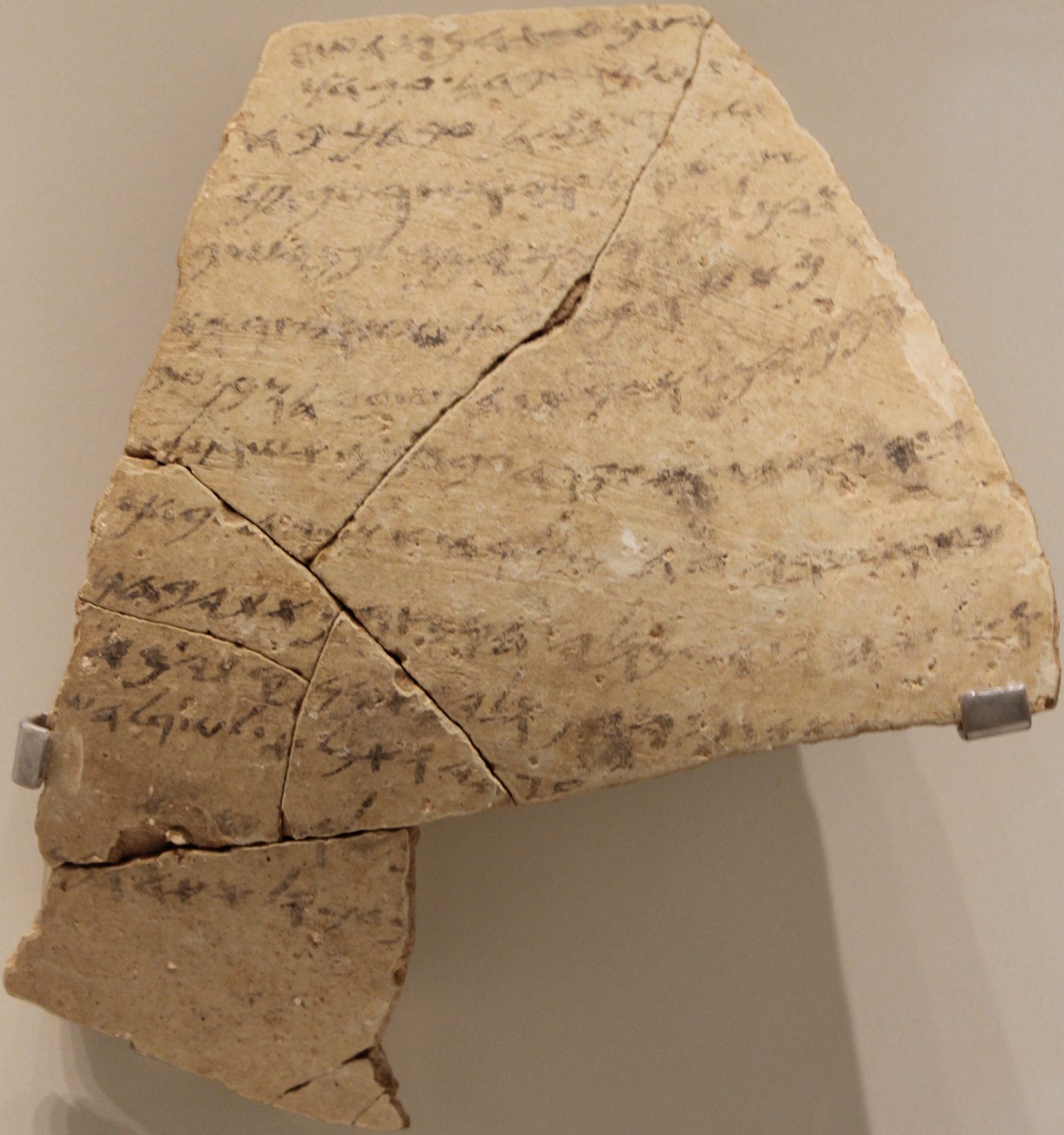
The existence of the shrine is not, on its own, especially surprising. The Hebrew Bible itself takes for granted that altars and high places operated outside Jerusalem for long stretches of the monarchy, and repeatedly complains about it. What makes Arad remarkable is that this was not a rural high place tucked into a hillside, ignored or forgotten by the centre. It sat inside a royal fortress, garrisoned and administered by the crown, alongside ostraca that name known priestly families and record royal supply orders. Whoever ran this fortress answered to Jerusalem. The temple inside it operated with the state's knowledge, for generations, before it was finally taken out of use.
That decommissioning is itself part of the evidence. At some point in the life of the fortress, the altar in the courtyard was covered over and the standing stones in the inner chamber were laid down and buried beneath a layer of clean fill, rather than smashed or scattered. The structure above continued in use as an ordinary building. Nothing about the burial looks like destruction by an enemy; it looks like a deliberate, careful closing-down, the kind of act a state performs on its own installation. The Bible describes exactly this kind of centralising reform being carried out by more than one king of Judah, aimed at concentrating sacrifice in Jerusalem alone.
The sanctuary structure
A temple built into the fortress at Tel Arad, in use across several building phases of the Iron Age and excavated in the 1960s. It comprises a courtyard with a sacrificial altar of unhewn stones, a main hall, and a raised inner chamber containing two limestone incense altars and standing stones. The layout mirrors the tripartite plan described for the Jerusalem Temple. The altar and standing stones were eventually buried under clean fill while the fortress above continued in use - read by most excavators as a deliberate decommissioning rather than a destruction.
Israel Museum, Jerusalem - Archaeology WingFurther reading
Why it matters as evidence
Arad is useful precisely because it is unglamorous. It is not a monumental discovery that settles a grand question at a stroke; it is a small, workaday religious installation inside a small, workaday fortress, and its value is in what it corroborates quietly. It shows that Judahite religious practice, even under a monarchy that told its own story as one of increasing devotion to a single Temple, tolerated a second working altar on state property for a long span of time. It shows that when the centre did move against such a site, the act left a physical signature - burial, not destruction - that can be read in the ground centuries later. And it puts real limestone altars, scorched by real fires, into a museum case rather than a footnote.
None of this contradicts the biblical account of a struggle over where and how sacrifice should happen. It corroborates that struggle, and gives it a floor plan.
The incense altars and standing stone
Two small limestone altars, roughly cubic in form, recovered from the inner chamber of the Arad sanctuary, their upper surfaces scorched by burning. Alongside them, a single standing stone - a matzevah - reddened by fire, was found set upright against the rear wall, flanked by two smaller stone installations. All were found buried under a layer of clean fill rather than smashed in place, the state in which they had lain since their decommissioning in antiquity. They are now displayed together at the Israel Museum, reconstructed to show the arrangement recorded at excavation.
Israel Museum, Jerusalem - Archaeology WingFurther reading