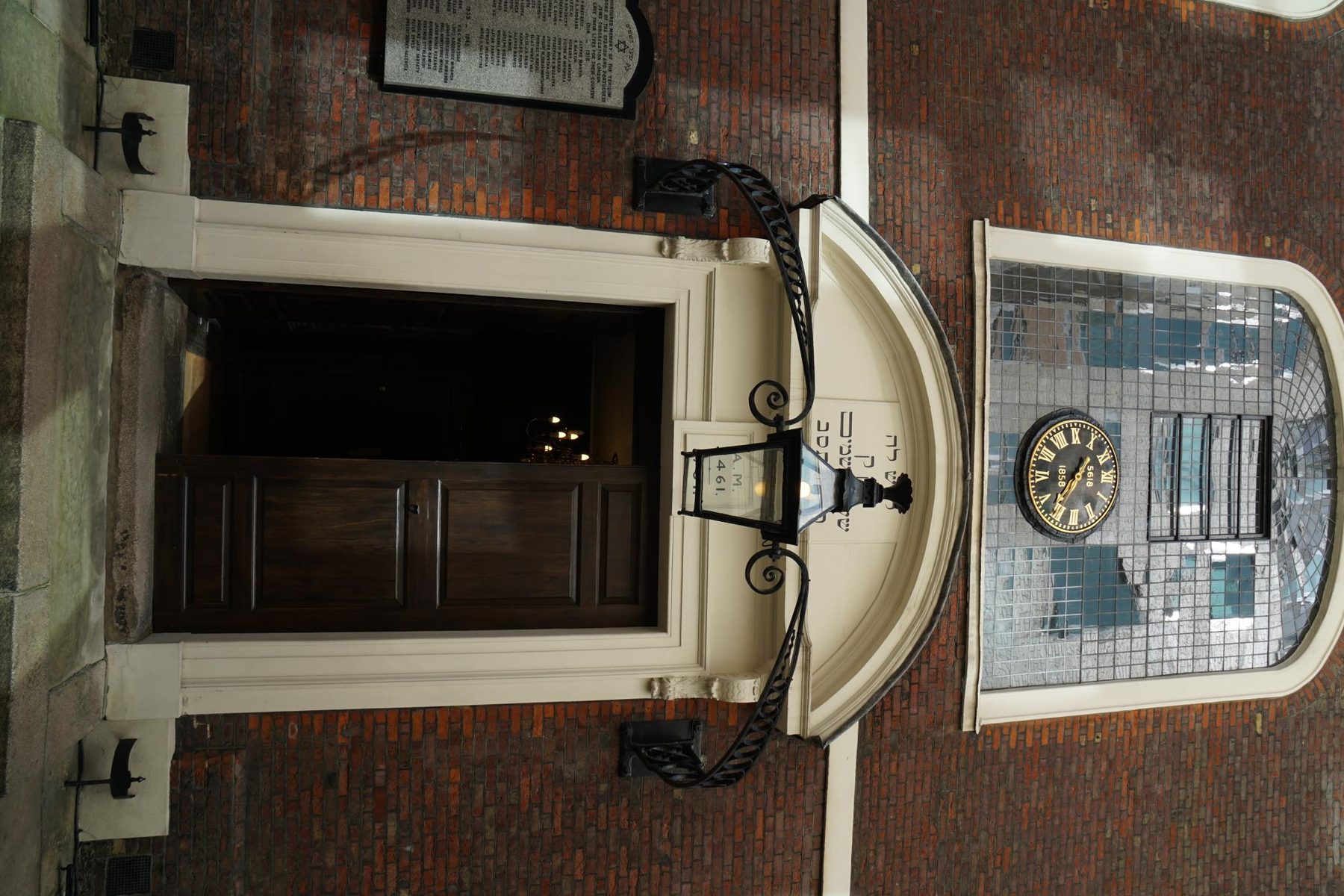
Congregation Shearith Israel, known today as the Spanish and Portuguese Synagogue, is the oldest Jewish congregation in Canada, tracing itself to 1768, when a small group of merchants in Montreal organised the first formal Jewish community north of the thirteen colonies. Its name records a fact about the people who founded it, not the people who fill its pews now. The synagogue keeps the Western Sephardi rite - the liturgy and customs carried by Jews descended from the Iberian expulsions, by way of Amsterdam, London and the Caribbean - even though its membership has been overwhelmingly Ashkenazi, drawn from the great waves of Eastern European immigration, since well before the twentieth century closed. A visitor who walks in expecting the congregation's ancestry to match its name will be corrected within the first few minutes of a service.

A congregation before a country
The founders arrived in the wake of the British conquest of New France in 1760, which opened Quebec to Jewish settlement for the first time - French colonial law had barred Jews from the territory. Several of the earliest congregants were merchants with connections to the Sephardi communities of London and the British Caribbean, and it was their rite, not any rite carried directly from Iberia, that Shearith Israel adopted at its founding. The congregation predates the Dominion of Canada by a full century, predates the British North America Act, and predates almost every other formal Jewish institution on the continent north of the older colonial seaboard communities. It is, in the plainest sense, older than the country it sits in.
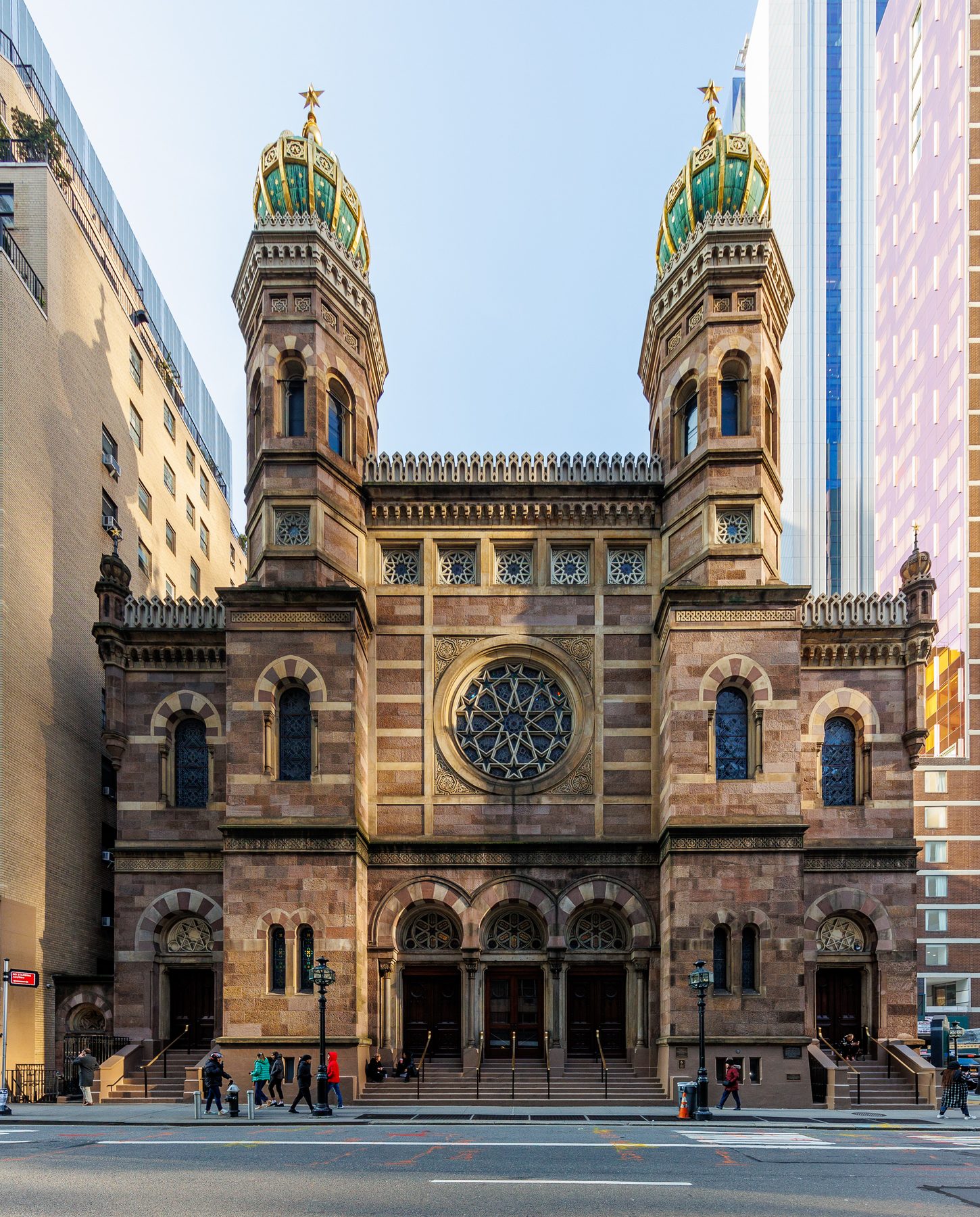
The congregation has occupied several buildings over its history as the community grew and moved within Montreal, each new synagogue replacing the last while the congregation itself, its charter, its ritual objects and its rite, carried forward unbroken. The present building is the community's home today: a working synagogue, not a museum piece, where services are still held according to the Western Sephardi liturgy its eighteenth-century founders established.
Congregation Shearith Israel founded
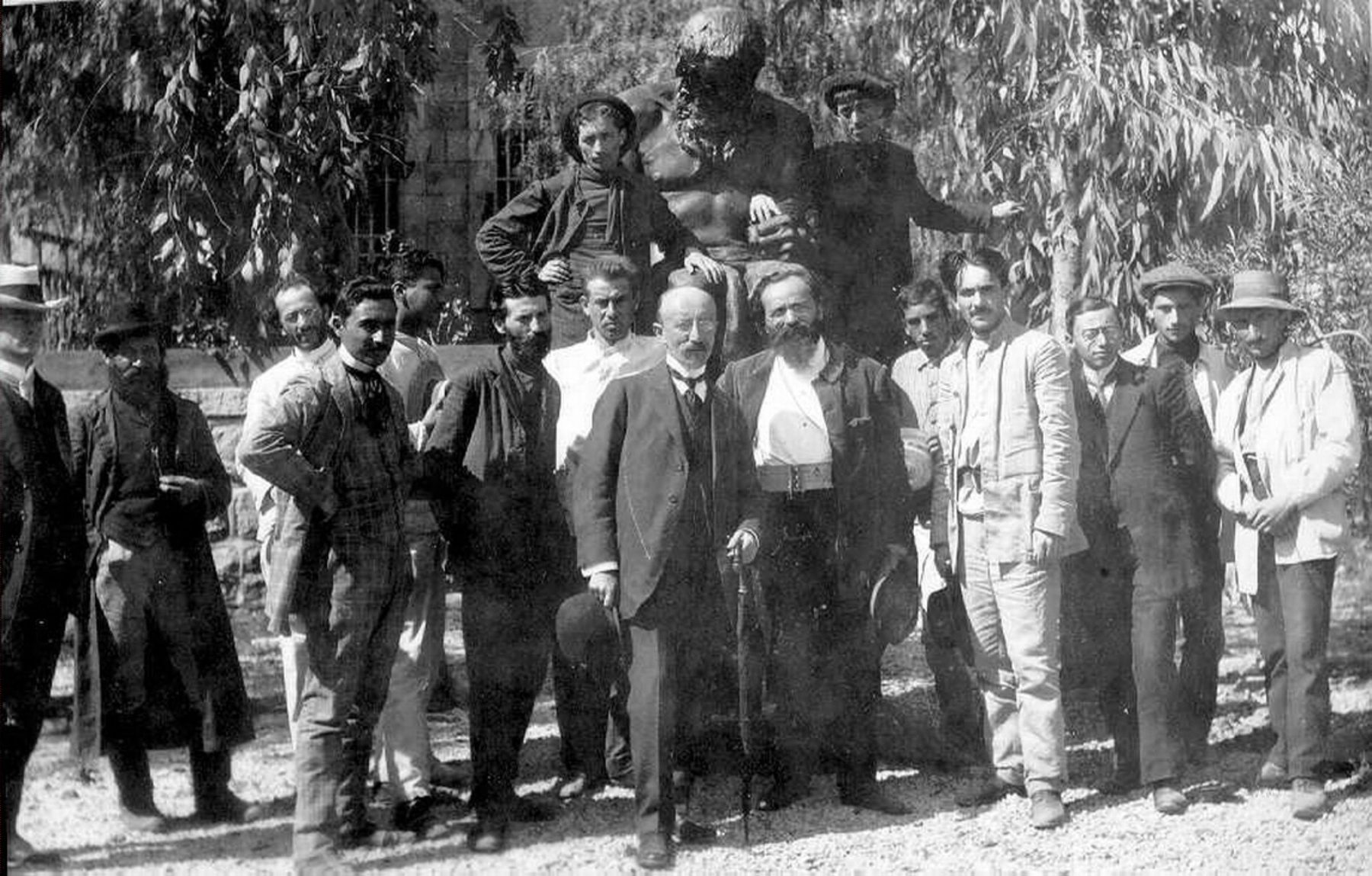
A group of Jewish merchants in British-controlled Montreal formally organises Shearith Israel, adopting the Western Sephardi rite and taking the name later rendered in English as the Spanish and Portuguese Synagogue. It is recognised as the first organised Jewish congregation in what is now Canada, founded within a decade of Quebec passing from French to British rule. The congregation has continued in unbroken existence to the present day.
Congregation Shearith Israel archives, MontrealA rite that outlasted its founders' descendants
What makes Shearith Israel unusual as evidence is not that an old synagogue survives - many do - but that a specific liturgical tradition survived inside it after the demographic group that brought it had become a small minority within its own congregation. Beginning in the late nineteenth century and accelerating through the early twentieth, Montreal's Jewish population grew overwhelmingly through Ashkenazi immigration from Eastern Europe. Those immigrants built their own institutions, Ashkenazi in rite and character, and became the numerical majority of organised Jewish life in the city many times over. Shearith Israel did not convert to their rite, and it did not close. It kept the Western Sephardi liturgy its eighteenth-century founders had used, and over time drew Ashkenazi members alongside a dwindling number of Sephardi ones, so that a congregation whose name announces one ancestry has for generations been composed largely of people descended from another.
The apparent mismatch is itself a kind of evidence, and a rather precise one. A rite is not a costume that changes with whoever happens to be wearing it; it is a specific sequence of prayers, melodies, pronunciations and customs that has to be actively maintained by people willing to learn something not their own inherited tradition. That an Ashkenazi-majority congregation chose, and kept choosing, to worship in the Sephardi manner rather than replace it says something about how seriously North American Jewish communities have treated institutional continuity - the building and its liturgy outranking the ancestry of whoever happened to be filling the seats in any given decade.
Sephardi rite, Ashkenazi congregation
As mass Ashkenazi immigration reshaped Montreal's Jewish population from the late nineteenth century onward, Shearith Israel retained its founding Western Sephardi liturgy even as its membership base shifted to be predominantly Ashkenazi in origin. The congregation did not merge into the city's newer Ashkenazi institutions and continued independently, maintaining the historic rite as a distinct communal identity within Montreal Jewish life.
Congregation Shearith Israel, in situ, MontrealSet beside other evidence of diaspora continuity - old minute books, ritual silver, congregational charters kept in family and communal hands across centuries - Shearith Israel offers something slightly different: a living institution rather than a recovered artefact. Nothing here needed to be excavated or rediscovered. The congregation simply never stopped meeting, never stopped keeping its own records, and never swapped its rite for the more numerous one around it. That an institution founded before Canada existed is still holding services on the same liturgical terms its founders set is itself the primary exhibit.
Oldest Jewish congregation in Canada
Shearith Israel is documented and generally recognised, including by Canadian Jewish heritage bodies, as the oldest continuously operating Jewish congregation in Canada, with an unbroken institutional history from its 1768 founding to the present. Its status rests on continuous minute books and communal records rather than on a single surviving building, since the congregation has occupied more than one home over its history.
Congregation Shearith Israel, MontrealFurther reading