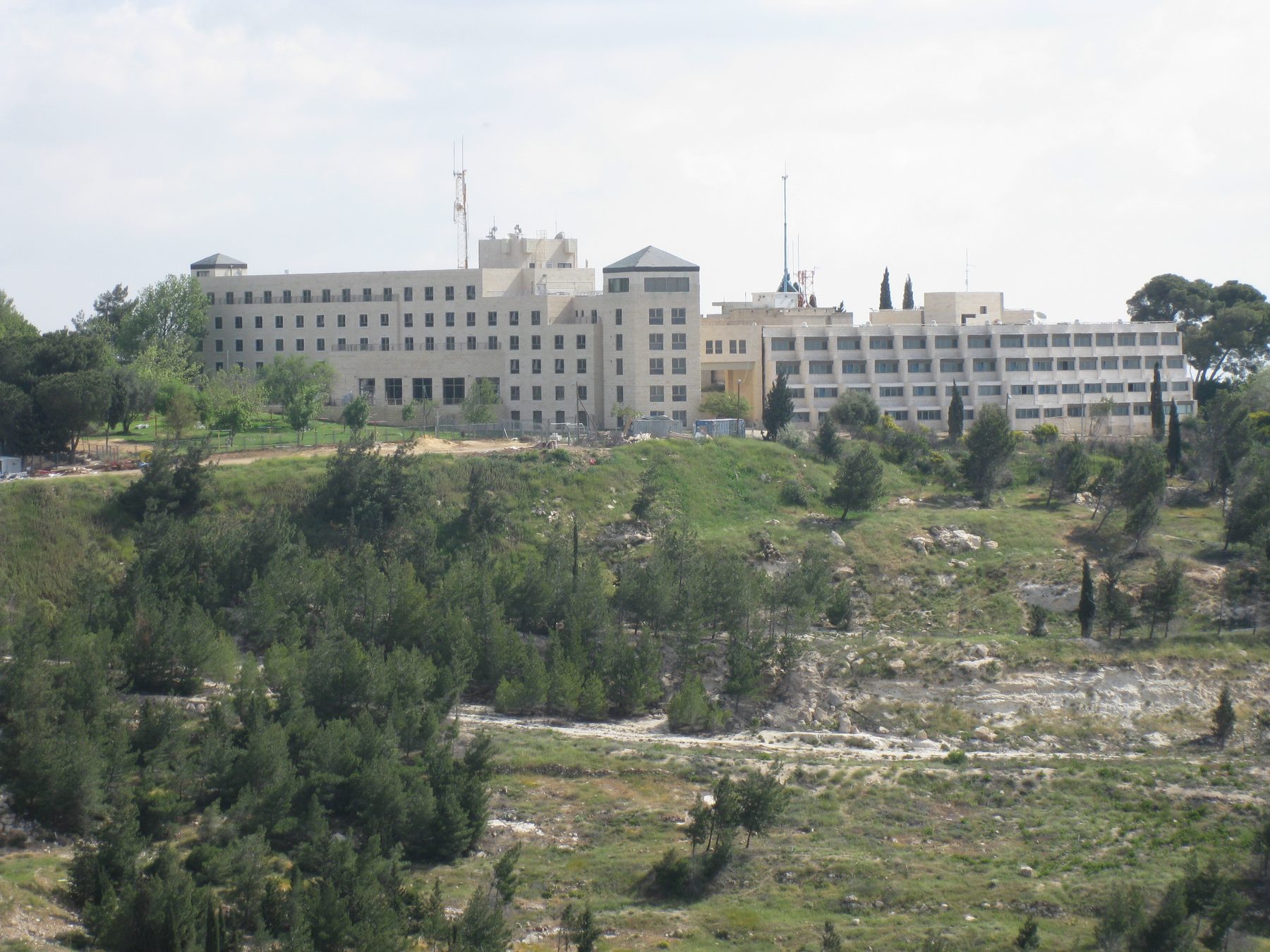
On the eastern slope of the Kidron Valley, opposite the Old City of Jerusalem, the village of Silwan sits above a cliff riddled with rock-cut tombs. Most were cut for burial in the last centuries of the First Temple period, when Jerusalem's elite chose the escarpment across the valley as a fitting place to be buried within sight of the city. One of those tombs carries something rarer than the graves themselves: a monumental Hebrew inscription cut directly into the rock above the entrance, naming the man who was buried there and cursing whoever might disturb him.
The inscription is known as the Silwan lintel, or, from the title it preserves, the tomb of the royal steward. It is one of only a handful of monumental First Temple period Hebrew inscriptions to survive at all, and it is the only one that plausibly names an individual known from the Hebrew Bible - not a king, but an official close to one.

What survives, and what it says
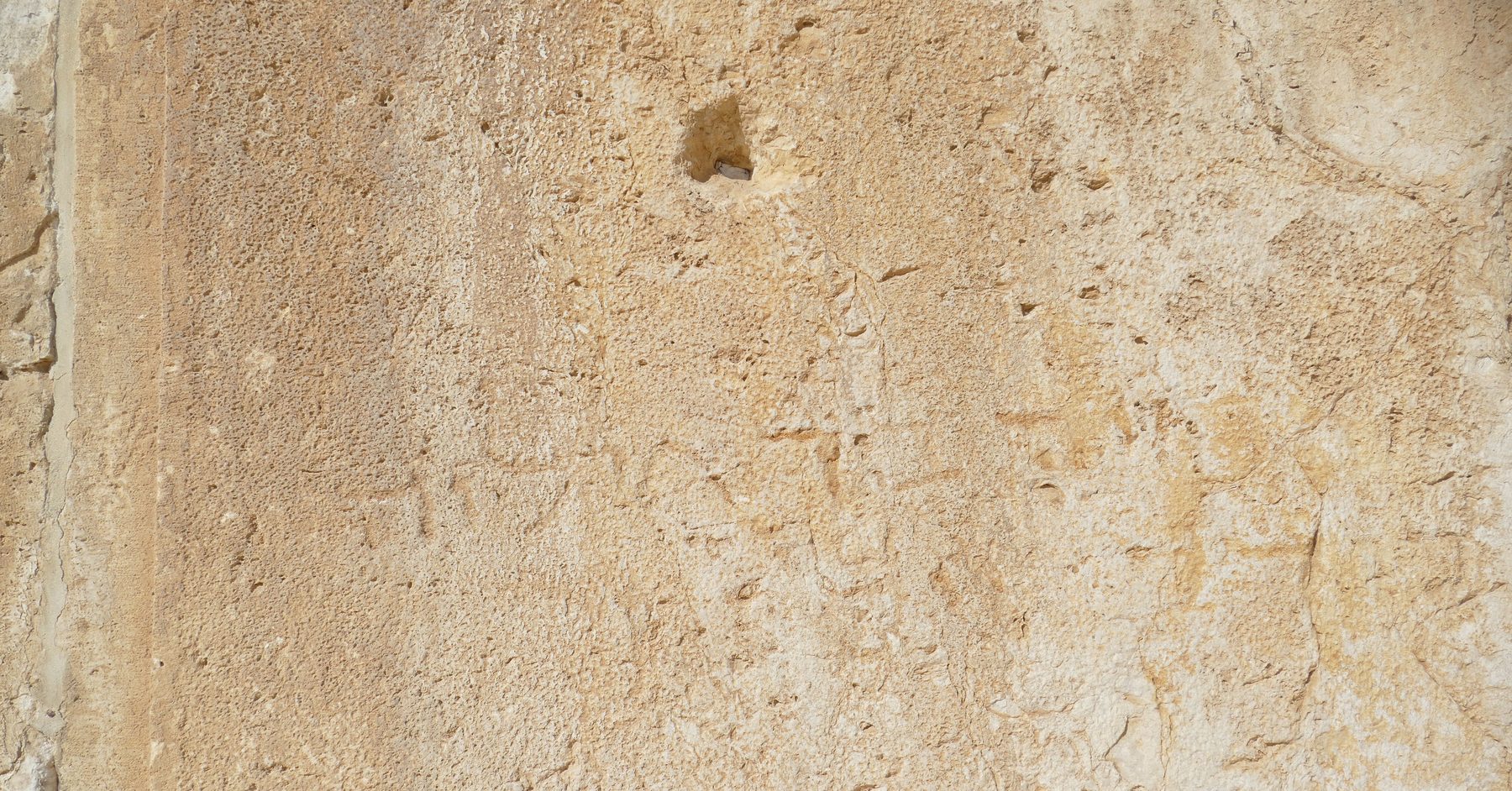
The inscription runs across the lintel and jamb of the tomb entrance in a single carved line of Hebrew, cut in the formal, monumental script used on royal and administrative texts of the eighth and seventh centuries BCE. Much of the text has been deliberately damaged: the surface where the tomb's owner would have been named by his personal name has been battered away, apparently in antiquity, so that only his title survives clearly - "...yahu, who is over the house". The inscription goes on to describe the tomb itself, stating that there is no silver or gold within it, only his bones and the bones of a female companion, and it closes with a curse: cursed be the man who opens this.
"Who is over the house" - asher al ha-bayit - was the title of the royal steward, the senior official who managed the king's household and estate, roughly equivalent to a palace chamberlain or chief of staff. It is a title the Hebrew Bible uses for named officials at the royal court, which is what makes this particular tomb so interesting: a steward important enough to be buried in a monumental, inscribed rock tomb overlooking the city he served.
The Silwan Royal Steward's Tomb Inscription
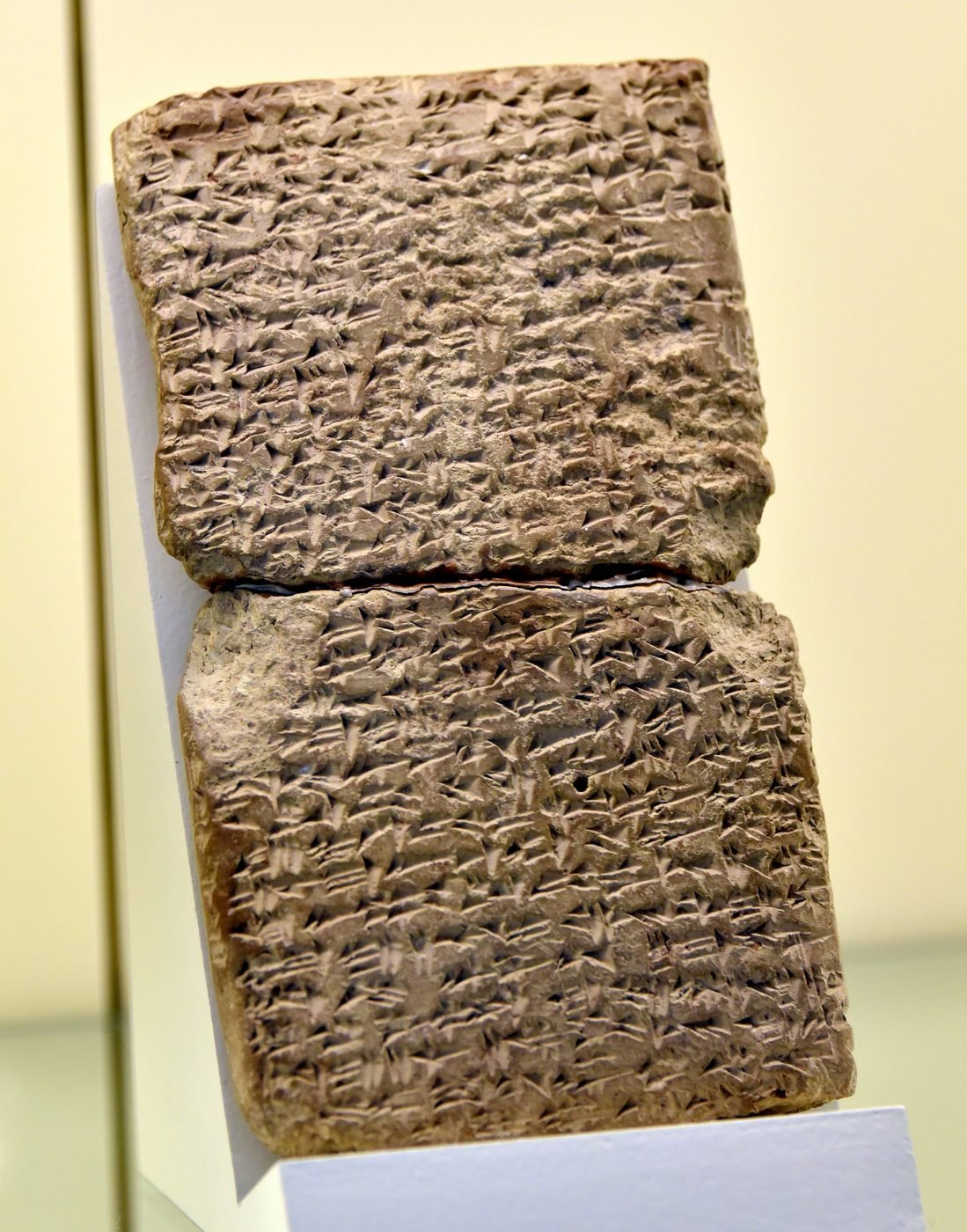
A monumental Hebrew inscription cut into the lintel and jamb of a rock-hewn tomb in the Silwan necropolis, on the eastern slope of the Kidron Valley opposite Jerusalem's Old City. The surviving text identifies the tomb's occupant only by his title, "...yahu, who is over the house" - the royal steward, chief of the king's household - his personal name having been deliberately effaced from the rock. The text states that the tomb holds no silver or gold, only bones, and ends with a curse on anyone who opens it. Dated on palaeographic grounds to the monumental Hebrew script of the late First Temple period. Now held by the British Museum, London.
British Museum, LondonThe Isaiah connection
The Book of Isaiah names a royal steward called Shebna, "who is over the house", and condemns him in unusually sharp terms: for cutting himself a tomb on the height, hewing a dwelling for himself in the rock, when he had no business claiming such a monument. Isaiah prophesies that Shebna will be removed from his post and driven out, replaced by another official, Eliakim son of Hilkiah. The prophecy names both the title - steward over the house - and the specific offence: a rock-cut tomb, carved on high, more grand than a mere official was entitled to claim.
The overlap with the Silwan tomb is hard to miss. Here is a monumental rock-cut tomb, across the valley from the Temple Mount, belonging to a man with the exact title "who is over the house", built with evident expense and inscribed with a warning against disturbance - precisely the kind of self-glorifying burial Isaiah accuses Shebna of carving for himself. The damaged name panel would, on this reading, once have completed the title with "Shebnayahu" or a related form of the name Shebna, before someone erased it.
A steward's title, a curse against grave-robbers, and a prophet's grievance about a tomb cut too grand for its owner. The overlap is hard to miss - and impossible to prove beyond doubt.
Why it matters as evidence
Set the identification with Shebna aside for a moment, because the inscription does not need it to matter. On its own terms, the Silwan lintel is a rare, securely provenanced piece of monumental Hebrew writing from the world of the Judahite royal court - proof that the title structure the Bible uses for its officials, "who is over the house", was a real title cut into real stone by real administrators, not a later literary invention. It shows the Hebrew script of the period in formal, public use, on a scale meant to be read by anyone passing along the valley. And it shows something of how that world buried its most senior servants: not modestly, but in tombs cut to be seen from the city they had served, guarded by a curse meant to outlast the man himself.
The possible link to Isaiah's Shebna is the detail that draws attention, and it is a reasonable one to hold - carefully, as an open question rather than a settled fact. What is not in question is the inscription itself: a curse cut in stone by someone who expected to be remembered, only for his own name to be the one thing lost.