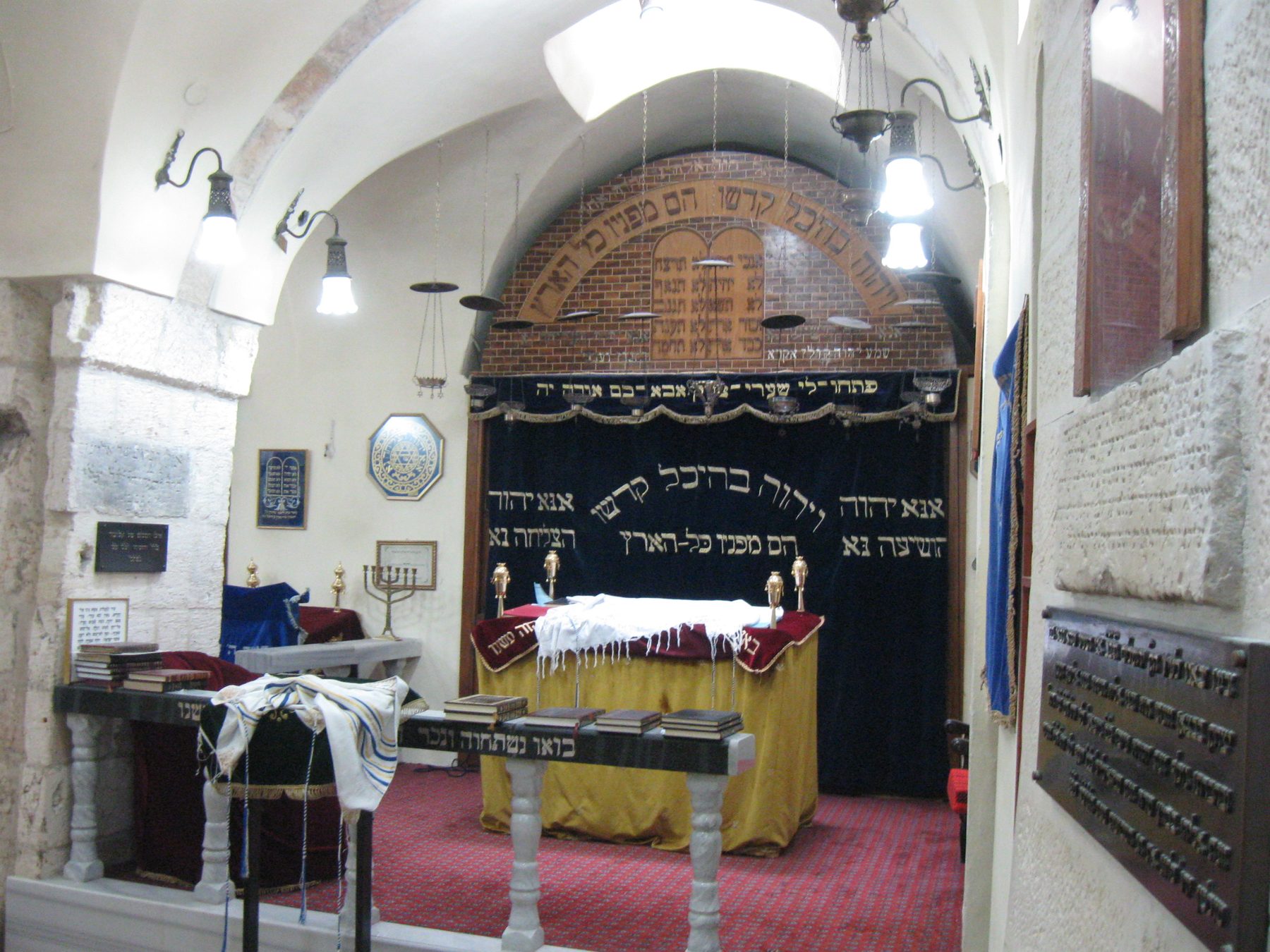
In the Jewish Quarter of Jerusalem's Old City, a low stone building sits below street level, its floor several feet beneath the level of the surrounding lanes - a mark of just how much rubble and rebuilding have piled up around it over the centuries it has stood there. This is the Ramban Synagogue, named for the scholar Moses ben Nachman, known by the acronym Ramban and in Latin sources as Nachmanides, who arrived in Jerusalem in 1267 and found a city with almost no organised Jewish communal life left in it. What he did next, and where he did it, is the kind of claim that would be easy to dismiss as legend if the building itself did not still stand to answer for it.
The synagogue matters as evidence because it fixes, in stone and in a specific location, the moment Jewish Jerusalem re-opened for business after generations of Crusader rule had all but closed it. A refounding is not a myth with no anchor. It is a date, a named individual, and a room that has functioned - on and off, through conquest and closure - as a place of Jewish prayer for the better part of eight centuries since.

What it is
The building is a modest, vaulted stone hall, built into what had been part of an older structure on Mount Zion, inside the area that became the Jewish Quarter of the Old City. Nachmanides, who had led rabbinic Judaism's most prominent public disputation in Barcelona before leaving Spain, settled in Jerusalem after a difficult journey and found the Jewish community there reduced to a handful of families. According to his own account in a letter to his son, he gathered a minyan, the quorum required for communal prayer, and set about reconstituting organised Jewish worship in the city. Tradition holds that he took over and adapted an existing building for use as a synagogue, and that this building, restored and altered many times since, is the one that survives today.
The synagogue's long life has not been continuous. It has been closed, reopened, converted to other uses and reclaimed for prayer more than once across the centuries that followed, as control of the Old City passed between different rulers and communities. What has persisted is the site itself and the association attached to it: a specific room, in a specific quarter of the city, tied to a specific and datable act of thirteenth-century refounding.
Nachmanides reaches Jerusalem
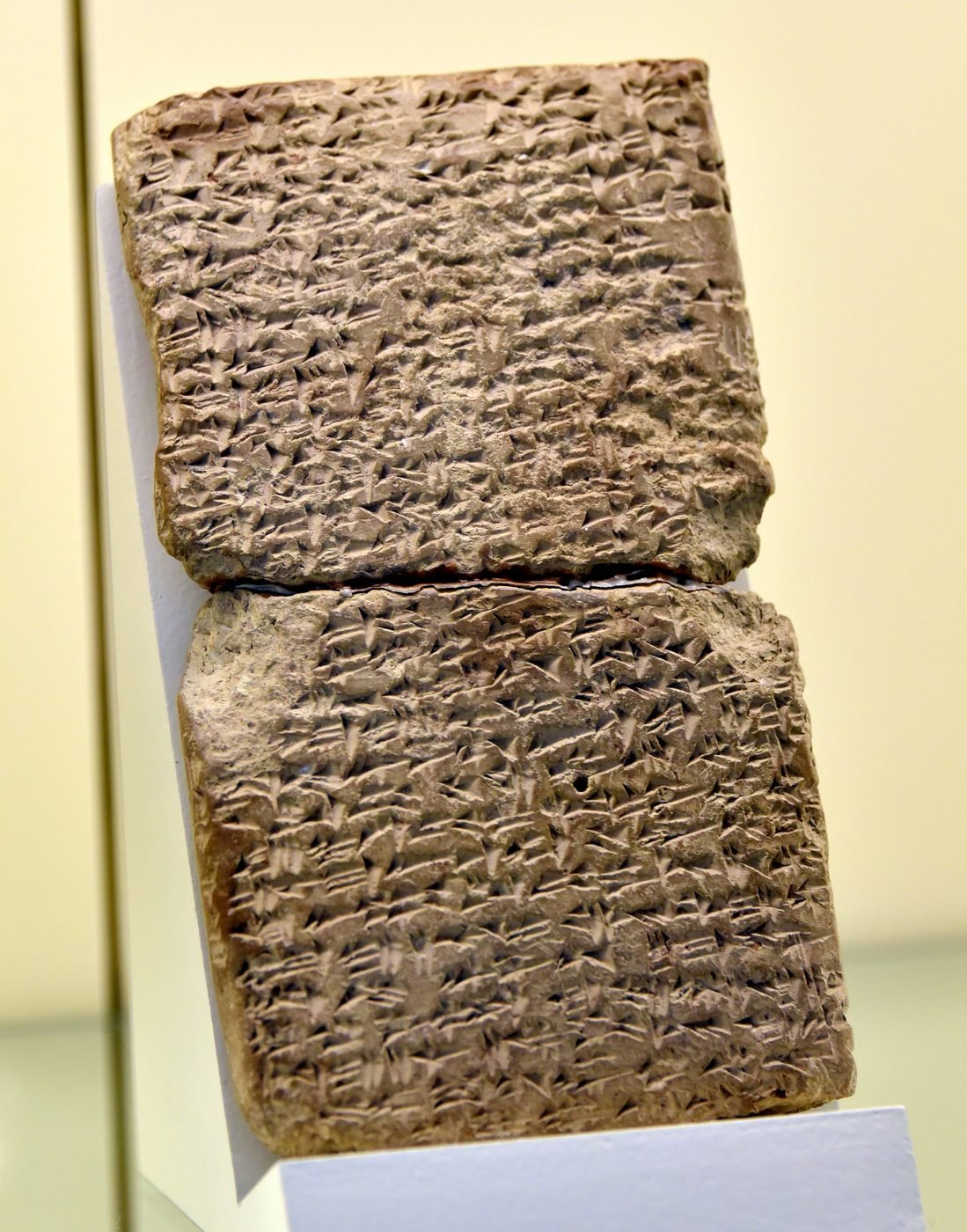
Nachmanides arrived in Jerusalem in 1267, following his departure from Christian Spain after the Barcelona disputation. In a surviving letter to his son, he describes finding the city's Jewish community reduced to a very small number of families and records gathering a minyan and organising a synagogue so that communal prayer could resume. The letter is one of the primary textual sources historians rely on for Jewish life in Jerusalem in this period.
Nachmanides' letter; rabbinic and historical traditionWhat is debated
The core fact of Nachmanides' arrival and his organising of a minyan in 1267 is not seriously disputed, resting as it does on his own letter. What is debated is how directly the surviving building relates to the synagogue he established. The Old City's Jewish Quarter has been rebuilt, damaged and rebuilt again many times over eight centuries, including periods of destruction and dispossession, and identifying which stones in the present structure date to the thirteenth century, which are later medieval or Ottoman additions, and which are twentieth-century restoration is a matter that depends on close architectural and documentary study rather than on tradition alone. Scholars generally treat the site's identification and continuity of association as well founded, while treating claims about the precise age of individual surviving elements more cautiously.
A further point of discussion concerns the building's later history as it changed hands between Jewish, Muslim and other uses over the centuries - a pattern common to religious buildings in a city with as long and contested a history as Jerusalem's. The documentary record for these intervening centuries is thinner than the record for the 1267 refounding itself, which is unusually well anchored by Nachmanides' own words.
Destruction, division and return
During the fighting in 1948, the Jewish Quarter of the Old City fell, and its synagogues, including the Ramban Synagogue, passed out of Jewish use for the nineteen years the Old City remained under Jordanian control. After 1967, the Jewish Quarter's historic synagogues were surveyed, restored and reopened, and the Ramban Synagogue has functioned as an active place of prayer since. The building's survival through this most recent rupture is documented in the same body of archival and photographic record used for the quarter's other historic synagogues.
Jewish Quarter restoration record, JerusalemWhy it matters as evidence
The Ramban Synagogue is evidence of a specific, dated act of civic reconstruction rather than a general statement that Jews always cared about Jerusalem. It shows one identifiable person, on one datable arrival, converting an intention into an institution: a minyan gathered, a room secured, prayer resumed. That the building associated with that act still stands, in the same quarter of the same city, still functioning as a synagogue, closes the distance between a letter in an archive and a place a visitor can walk into today.
It also tells a wider, checkable story about how thin organised Jewish presence in Jerusalem had become by the mid-thirteenth century, and how quickly it could be rebuilt once a determined community, even a very small one, set about doing it. The building has been broken and mended more than once since. Each time, it has gone back to the same use it was given in 1267.