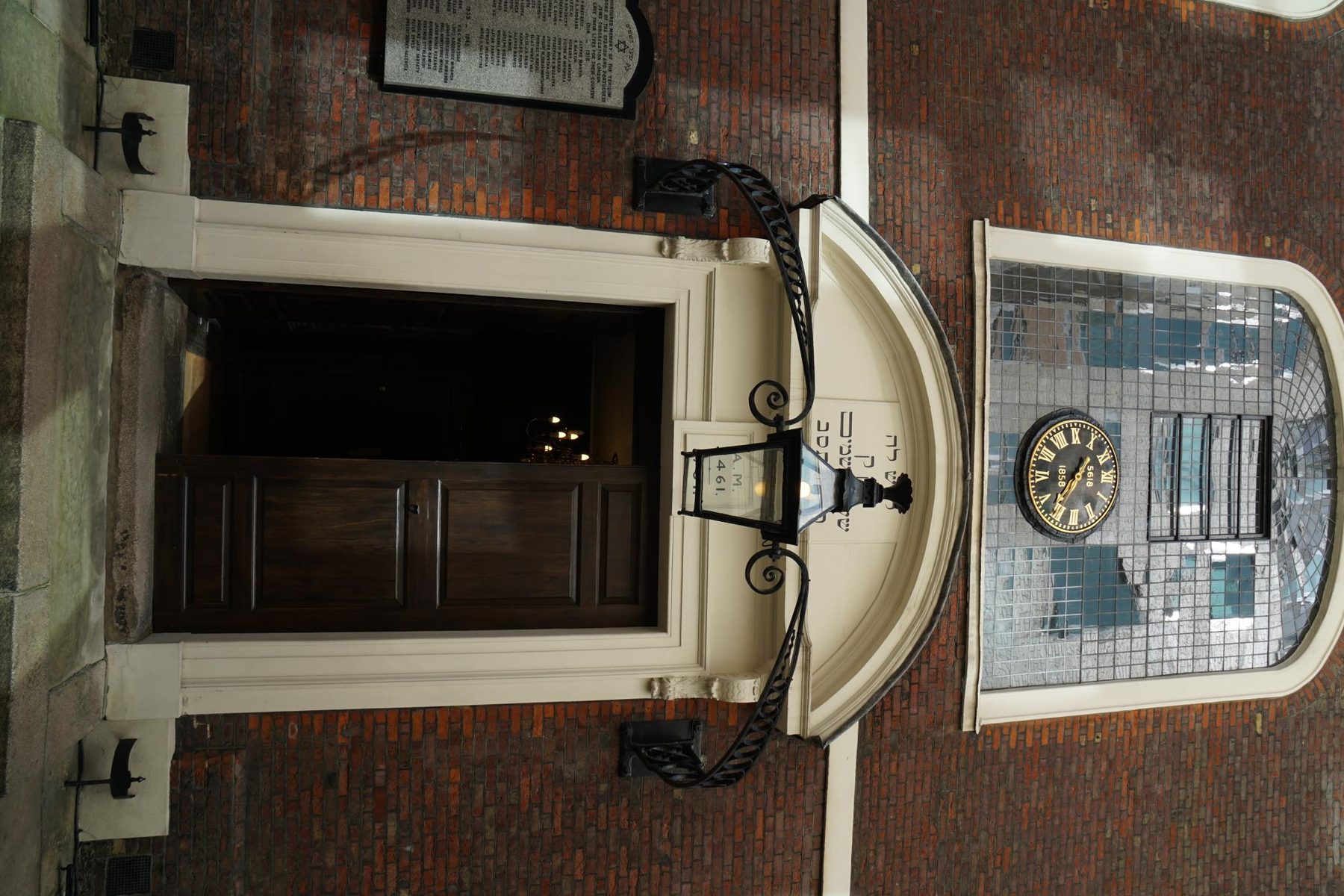
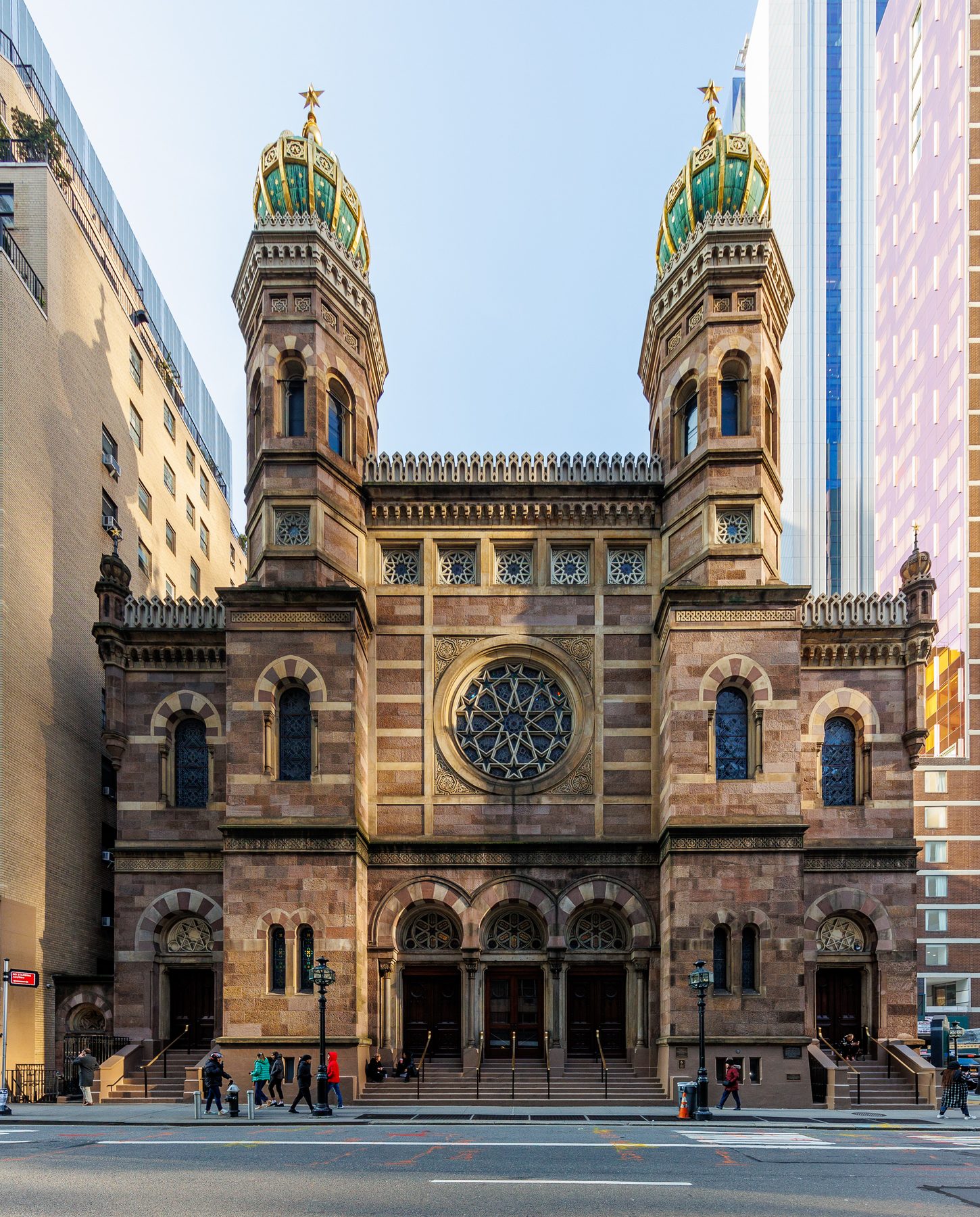
Ohel Rachel still stands on what is now Shaanxi Road North in central Shanghai, a large stone synagogue with a portico and a pale, formal front that would not look out of place in Baghdad or Bombay. It was raised by one of the wealthiest Jewish merchant families in Asia, named for a woman who never prayed in it, and used for decades by a community that arrived from Iraq by way of India and left almost nothing else standing this substantial behind. The building itself is the evidence: a fixed address, in a city that changed hands and ideologies repeatedly across the twentieth century, where a Jewish congregation is documented meeting, marrying and, later, sheltering refugees.
The synagogue was commissioned by Sir Jacob Elias Sassoon, a member of the Baghdadi Jewish trading dynasty that had built a commercial empire stretching from Bombay to Shanghai, and named Ohel Rachel - "Tent of Rachel" - in memory of his wife. It was completed in the early 1920s and served the Sephardi, largely Baghdadi, Jewish community of Shanghai, a network of merchants and their families who had settled in the treaty port from the mid-nineteenth century onward, drawn by the trade opportunities the city's international concessions offered.

What the building shows
Ohel Rachel was built for a wealthy, self-confident community that intended to stay. The scale of the structure alone argues against reading Shanghai Jewry as a transient colony of traders passing through: a congregation does not commission a synagogue of this size, with space for several hundred worshippers, unless it expects to fill it for generations. The Sassoon family's wealth is well attested independently of the synagogue - through shipping, opium and textile interests and property holdings across Bombay and Shanghai - so the building corroborates, rather than merely asserts, the family's standing and their commitment to a permanent Jewish institutional presence in the city.
The synagogue also functioned as more than a prayer hall. Baghdadi Jewish communal life in Shanghai organised schools, charitable bodies and social institutions around it, and the building itself is remembered as having housed communal and educational functions alongside worship. That layering of uses is itself a form of evidence: it shows a community with the resources and the intention to build institutional infrastructure, not merely a place to pray on the Sabbath.
Built for the Baghdadi community
Ohel Rachel was commissioned by Sir Jacob Elias Sassoon and completed in the early 1920s on what was then Seymour Road in the International Settlement, serving Shanghai's Baghdadi Jewish community. Its scale and permanence attest to a merchant community that had put down institutional roots in the city, not simply a network of transient traders.
Shaanxi Road North, ShanghaiA refuge address
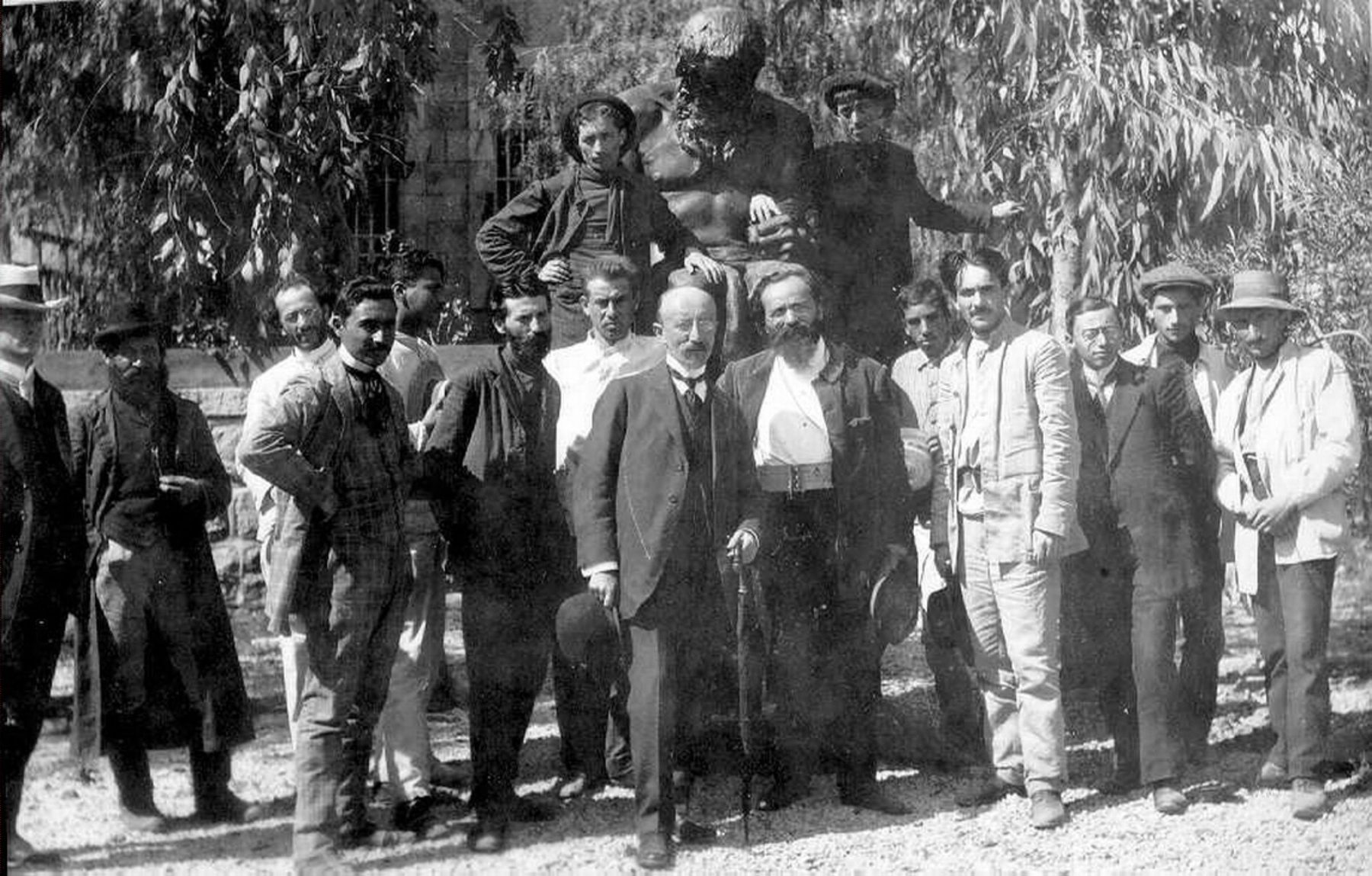
The building's second layer of evidence belongs to the late 1930s and the war years. As Jewish refugees fleeing Nazi persecution in Europe arrived in Shanghai - one of the few ports in the world that did not require a visa for entry at the time - the established Baghdadi community's institutions, Ohel Rachel among them, became points of contact and support for the newcomers. The refugees themselves mostly settled and worshipped separately, in their own congregations concentrated in the Hongkou district, but Ohel Rachel's continued operation through this period, and its use for communal gatherings and events touching the wider Jewish population of the city, places it inside the documented story of Shanghai as a place of last-resort refuge rather than outside it.
After 1949 the community that had built and sustained the synagogue largely left the city, as the Baghdadi merchant families relocated their businesses and their lives elsewhere in the decades around the Communist revolution. The building itself did not follow them. It remained standing, repurposed for secular institutional use for much of the later twentieth century, which is itself part of what the structure demonstrates: a synagogue can survive the disappearance of the community that built it, as a fixed and dateable object even when the people are gone.
Standing through the community's departure
After the Baghdadi Jewish community largely left Shanghai around 1949, the synagogue building passed into secular institutional use. Its structure and much of its original interior fabric survived intact enough for later restoration work, and the building has since been used periodically for Jewish services, commemorations and visits, making it a rare case of a pre-war Asian synagogue that never had to be reconstructed from ruins.
In situ, Shaanxi Road North, ShanghaiWhy it matters as evidence
Most of what is known about Baghdadi Jewish Shanghai comes from documents, photographs and oral testimony - useful but interpretable evidence, always mediated by the person recording it. Ohel Rachel is different in kind. It is a building anyone can walk up to, with a fixed address that has not moved and a fabric that has not been substantially rebuilt. It corroborates, independently of any single witness's account, that a Jewish community in Shanghai was wealthy enough, confident enough and rooted enough to build permanent religious infrastructure at scale, and that infrastructure was still there, decades later, when a different and desperate wave of Jews arrived from the other side of the world with nowhere else to go.
Further reading