Assyrian kings did not write history for the benefit of the people they conquered. They wrote it as accounting: a record of who had submitted, who had paid, and how much. That is what makes an inscribed stone slab recovered from the ruins of Nimrud, in northern Iraq, and now held by the British Museum, so useful to anyone trying to establish what actually happened in the northern kingdom of Israel in the early eighth century BCE. The scribe who cut its lines had no interest in Israel's own story. He was simply keeping the books of an empire, and one of the names entered in those books is a king of Samaria.
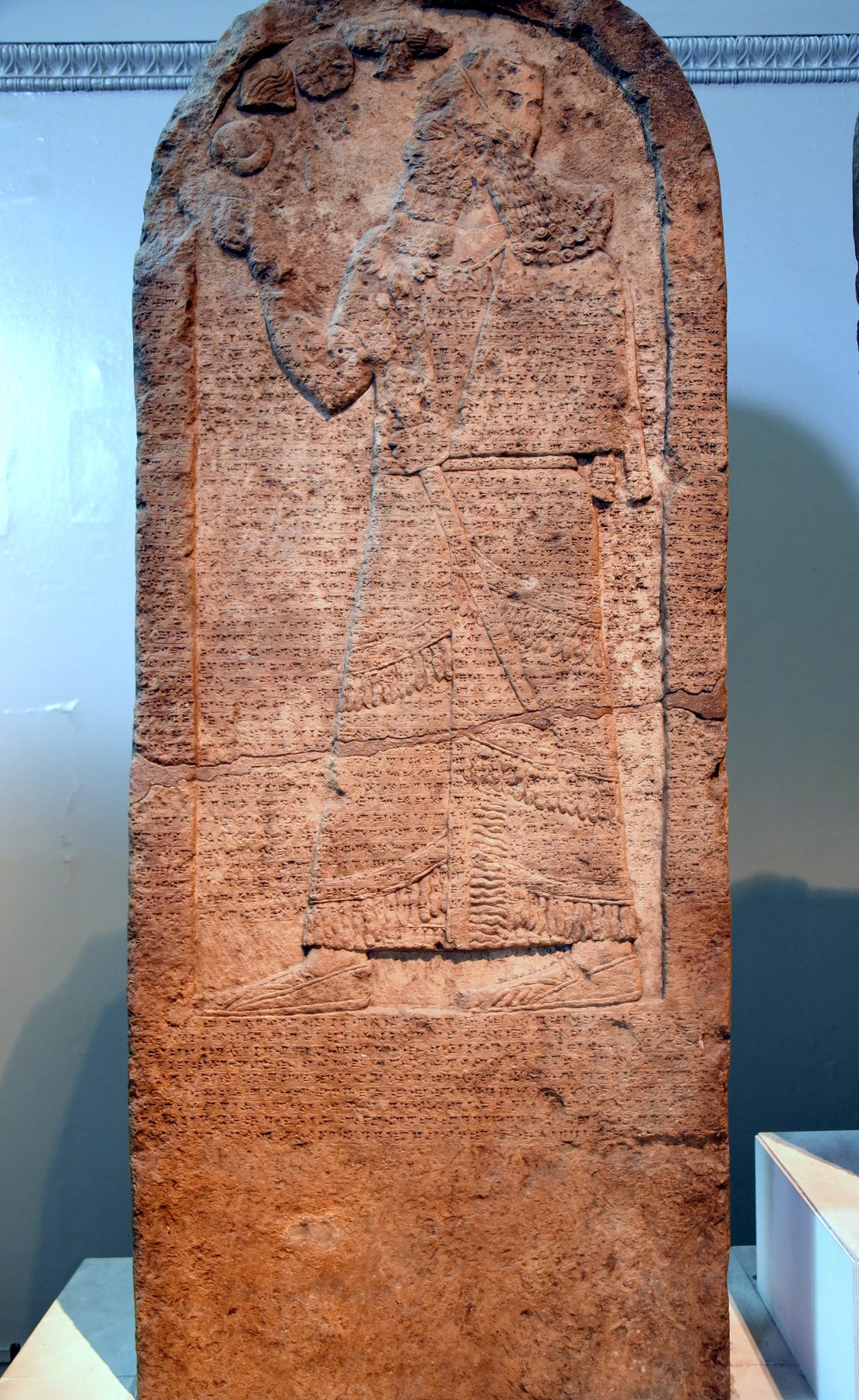
The slab belongs to the reign of Adad-Nirari III, who ruled Assyria in the early eighth century BCE, a period in which the biblical books of Kings describe a king named Jehoash, or Joash, ruling over Israel from Samaria. The inscription records a campaign to the west and a list of rulers and lands that submitted and paid tribute. Among the names is a king of Samaria, understood by historians to be this same Jehoash. It is a rare thing: a contemporary, non-Israelite document naming a king otherwise known only from the Bible, written by people with no stake in flattering him and no reason to invent him.

Nimrud, and what came out of it
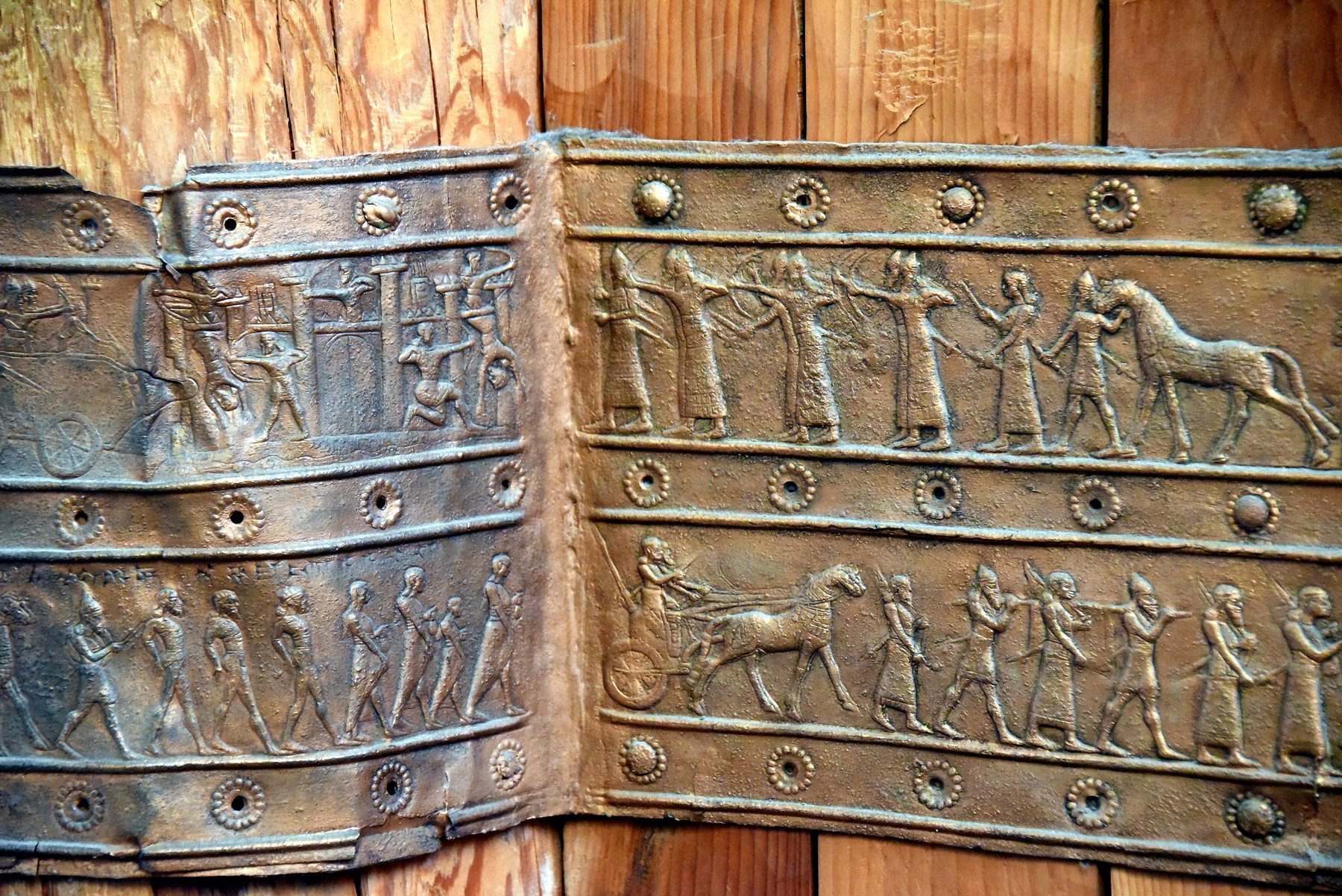
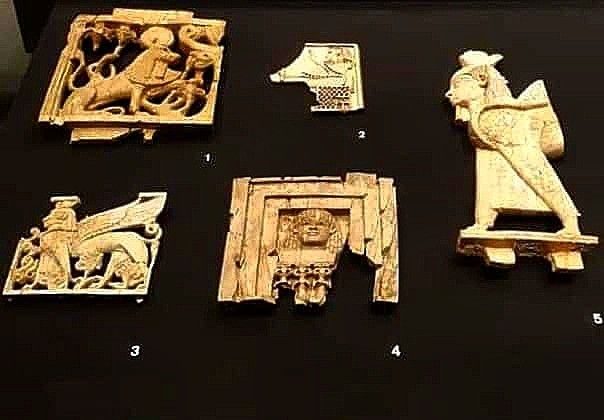
Nimrud was the Assyrian city of Kalhu, made a royal capital in the ninth century BCE and kept as a major administrative centre for generations afterward. Nineteenth-century excavation of its mounds, led by British archaeologists working for what became the British Museum, uncovered palaces, temples and a great quantity of inscribed stone - slabs, stelae and reliefs recording the campaigns and building works of successive Assyrian kings. The slab naming a king of Samaria is one piece of that much larger haul, most of which now sits in the British Museum's Assyrian collections, with related material in Iraq and other institutions.
What makes the find significant is not its size or its craftsmanship - Assyrian royal inscriptions are common enough, and this is a modest example of the genre next to the great palace reliefs. What matters is the ledger it keeps. Assyrian kings recorded tribute lists as proof of their own success, a boast addressed to the gods and to posterity rather than to the peoples named in them. That makes the lists, incidentally, some of the most reliable outside evidence available for the political geography of the Levant in this period: a king unconcerned with Israel's internal politics simply wrote down who ruled where and what they handed over.
The tribute list of Adad-Nirari III
An Assyrian inscription of Adad-Nirari III, recovered from Nimrud (ancient Kalhu), records a western campaign and a list of rulers and lands who paid tribute, including a king of Samaria understood to be Jehoash of Israel. The text is written in Akkadian cuneiform, in the standard idiom of Assyrian royal annals.
British Museum, LondonIsrael as seen from outside
The wider value of this material is what it does to the shape of the biblical narrative. Read alone, the account in Kings of a beleaguered northern kingdom, pressed by Aram-Damascus and eventually finding relief, could be treated as internal legend, the kind of story any nation tells about its own survival. Set beside the Assyrian record, it stops being only that. An external power, keeping its own accounts for its own reasons, names the same kingdom, in roughly the same period, dealing with roughly the pressures the biblical text describes. The two documents were not written for each other and do not quote each other. They simply agree, from opposite sides of the transaction, that Samaria was a real, functioning kingdom that an empire found worth listing.
This is not the only Assyrian source to name a king of Israel by his dealings with empire. Other Assyrian monuments, closer to a century apart from each other, record tribute or submission from Israelite rulers across several reigns, forming a rough chain of outside corroboration that runs alongside the biblical king-list rather than depending on it. The Nimrud slab is one link in that chain - not the most famous, but a clean and legible one, naming Samaria's king in the plain, unglamorous language of an imperial tax roll.
Nimrud (ancient Kalhu)
Nimrud, on the Tigris in what is now northern Iraq, served as an Assyrian royal capital from the ninth century BCE and remained a major administrative centre afterward. British-led excavation in the nineteenth century recovered large quantities of inscribed royal stone from its palaces and temples, forming the core of the British Museum's Assyrian collection and the primary source for the annals of kings including Adad-Nirari III.
Nimrud, northern Iraq; finds chiefly in the British MuseumAn empire keeping its own accounts had no reason to invent a king of Samaria. It had every reason to record only who was real enough to owe it money.
Further reading