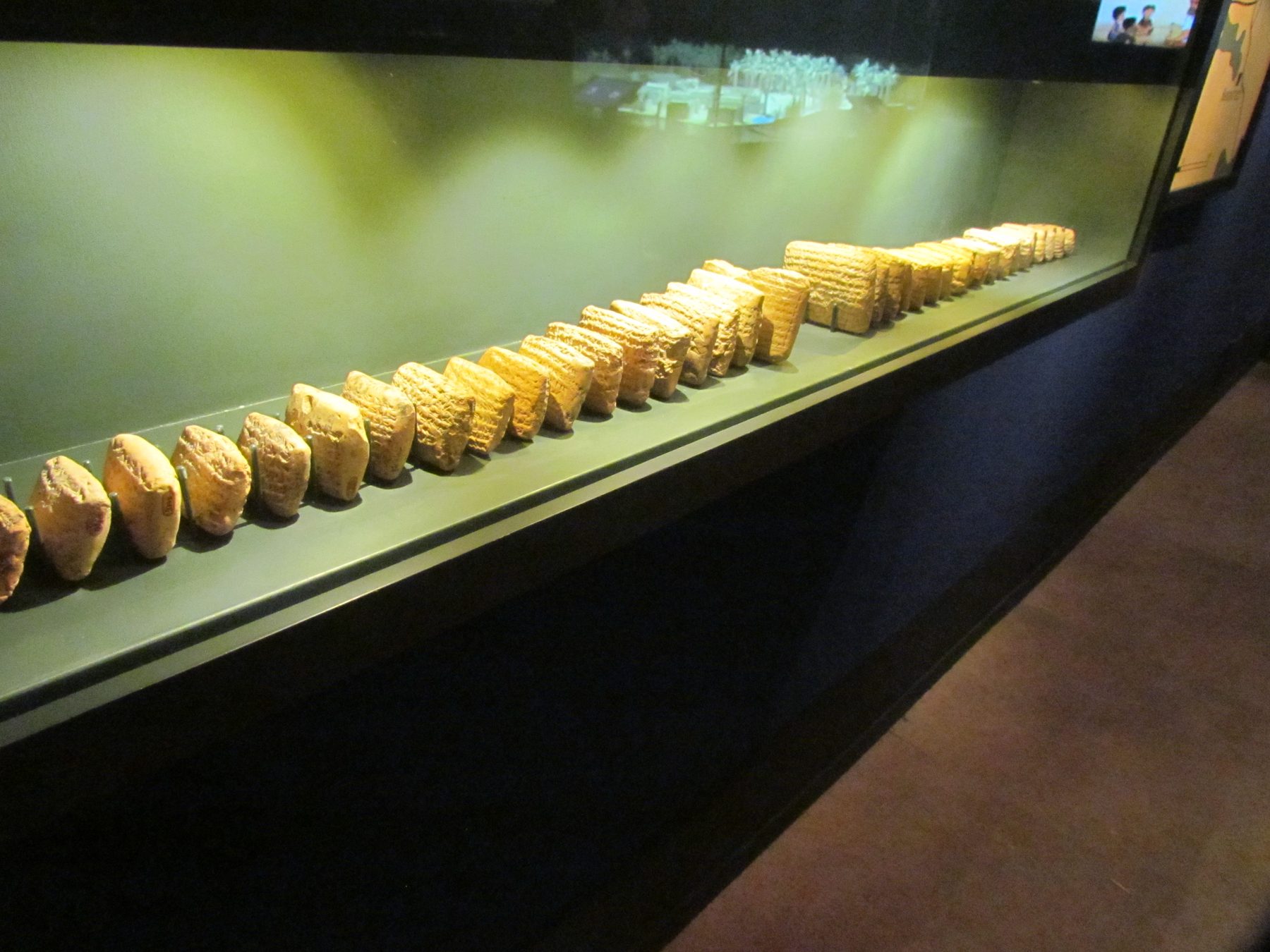
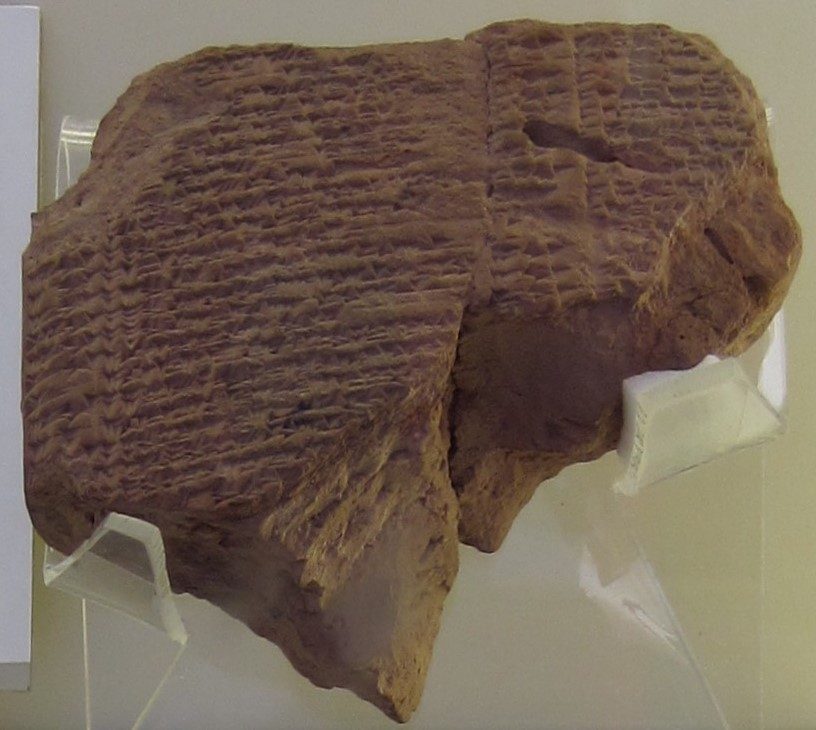
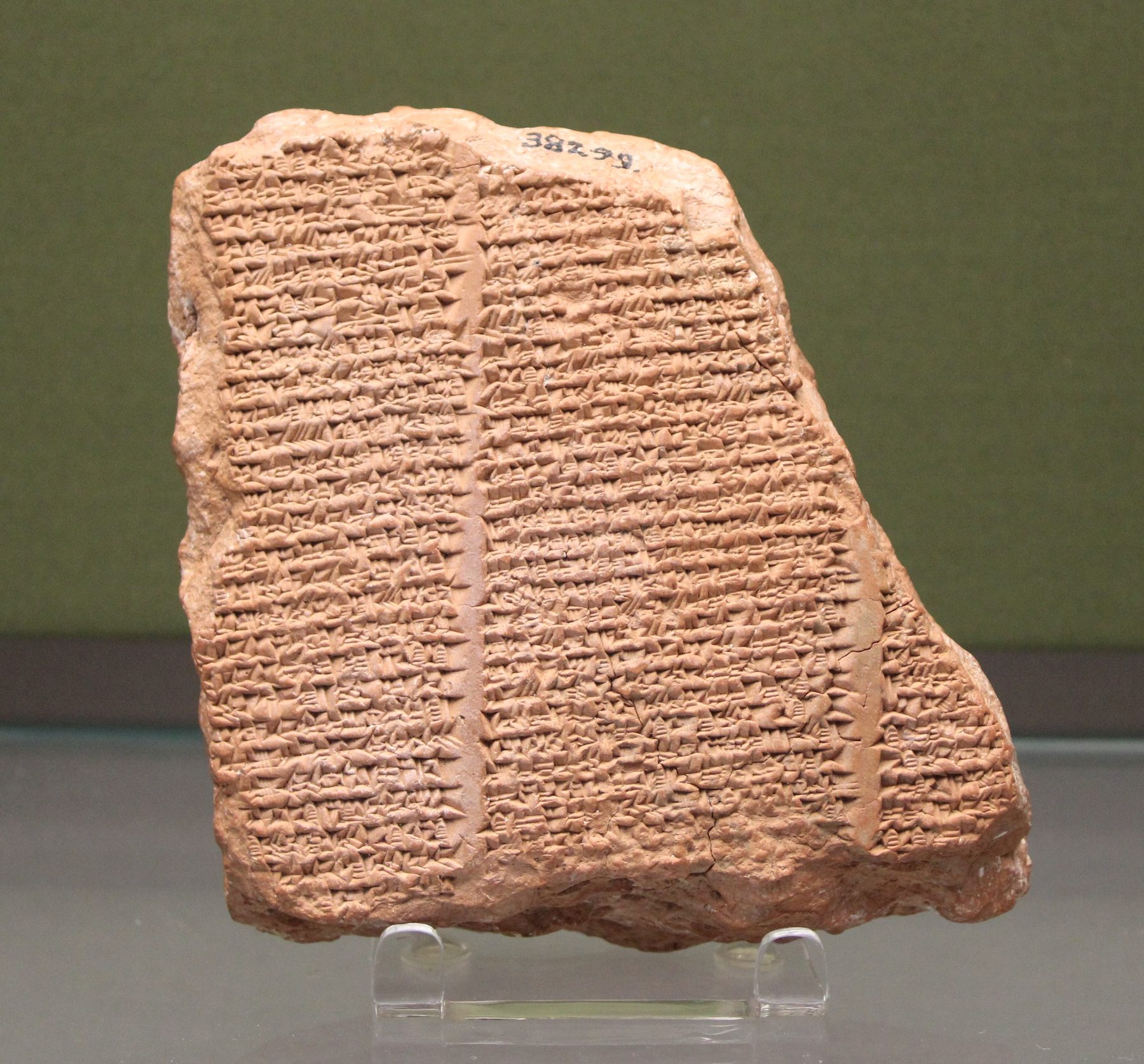
The tablet is small, unglamorous, and written by a Babylonian scribe with no interest in Jewish history whatsoever. That is exactly why it matters. The Nabonidus Chronicle is a cuneiform record kept by Babylon's own priesthood, in Babylon's own script, for Babylon's own purposes - a dry annual account of a reign and its end. It does not mention Judah, exiles, or a temple. It does not need to. It fixes, from the losing side's own paperwork, the year and the manner in which the empire that had carried off Jerusalem's people finally fell. Everything the Hebrew Bible says happened next - a Persian king, a decree, a road home - happens against the calendar this tablet sets down.
It belongs to a family of texts called the Babylonian Chronicles, terse year-by-year notices of political and religious events kept in the tradition of Babylonian scholarship for centuries. This particular chronicle covers the reign of Nabonidus, the last king of an independent Babylon, and it survives as a single baked clay tablet, inscribed in cuneiform, now in the collection of the British Museum. It is catalogued among the tablets that reached the Museum from Mesopotamian sites in the nineteenth century, part of the great wave of cuneiform material that first let modern scholars read Babylon's own account of its final years rather than only the accounts later empires told about it.

What the tablet says
Read in order, the chronicle's entries track a kingdom coming apart at the seams. For long stretches of his reign, it records, Nabonidus was absent from Babylon altogether, based instead at the oasis of Tayma in the Arabian desert, while the New Year festival - the central rite of Babylonian kingship, requiring the king's presence - went unperformed year after year. The tablet states plainly that the crown prince was left in the land, with the army, while the king stayed away. That crown prince is named Belshazzar. It is one of the very few ancient sources outside the biblical Book of Daniel to mention him at all, and it is the source that explains a detail Daniel's text otherwise leaves puzzling: why Belshazzar could offer the position of "third in the kingdom" rather than second, and why he behaves throughout as a ruler in his father's absence rather than as the reigning king himself. The chronicle does not resolve every question about the two accounts, but it confirms that a historical figure by that name held real authority in Babylon in the kingdom's last years.
The chronicle then turns to the end. It records a Persian army, under a commander it names Ugbaru, entering Babylon without a battle, the capture of Nabonidus, and Cyrus's own entry into the city some weeks later, followed by a proclamation of peace to its inhabitants. It gives the fall of Babylon a date within its own calendar system, one that can be converted with confidence into the year 539 BCE.
A Babylonian chronicle tablet
A single baked clay tablet inscribed in Akkadian cuneiform, one of the series known to modern scholarship as the Babylonian Chronicles. It records, year by year and in the flat administrative register typical of the genre, the events of Nabonidus's reign as king of Babylon, culminating in the city's fall to a Persian army. It is held in the cuneiform tablet collection of the British Museum, London.
British Museum, LondonWhy it matters as evidence
None of this tablet's entries were written with Jewish readers in mind, and that is its evidential strength rather than its limitation. The Hebrew Bible states that the Babylonian exile ended when a Persian king took Babylon and permitted the exiled peoples to return to their lands - a claim that, read alone, a sceptical historian could set aside as retrospective theology dressed as memory. The Nabonidus Chronicle removes that option. It is Babylon's own bookkeeping, kept by scribes with no stake in Judah's story, and it independently confirms that Babylon fell to a Persian force under Cyrus, in the manner and roughly the year the biblical narrative assumes, ending the empire that had carried Jerusalem's population into exile a generation earlier. The chronicle does not describe the return itself - that is a separate question, addressed by different evidence, including Cyrus's own inscribed statements of policy toward captive peoples and their gods. But it anchors the hinge event, the fall of Babylon, in a source no one can accuse of writing to flatter the exiles' memory.
It also supplies, almost as a by-product, the closest thing outside Daniel to independent confirmation of Belshazzar as a real figure of authority in Babylon's final years - a detail that nineteenth-century scholars, working only from classical historians who did not name him, had no way to verify until this tablet and related Nabonidus texts were read.
Babylon taken
The chronicle records a Persian force, under a commander named Ugbaru, entering Babylon without recorded battle, the seizure of Nabonidus, and Cyrus's own entry into the city weeks later with a proclamation of peace. Classical historians writing later describe the conquest in more dramatic terms, including a diverted river and a night of feasting; the chronicle's terser account is the earliest surviving record and is generally treated by scholars as the more reliable framework for what actually happened, even where the two traditions cannot be fully reconciled.
British Museum, LondonFurther reading