On the northern summit of Mount Ebal, overlooking the valley of Shechem in Samaria, sits a large rectangular structure built of unworked field stones. It has no roof, no doorway in the conventional sense, and no obvious domestic function. Excavation in the 1980s emptied its interior fill and found it dense with wood ash, burnt bones of sheep, goats and cattle, and pottery typical of the early Iron Age. Nobody disputes that people built this on purpose, filled it deliberately, and then stopped using it. What they disagree about is what to call it.
The site sits inside a larger complex of Iron Age I remains scattered across the Ebal ridge, most of them small stone enclosures interpreted by the excavators as seasonal camps or cultic way-stations tied to a network of hilltop sites in the region. The central structure is the largest and most carefully built of the group: two low outer walls forming a rough rectangle, a ramp approaching one side, and an interior packed to a considerable depth with the ash-and-bone fill. It is not a building anyone lived in. It behaves, in its layout and in what was put inside it, like a place where things were burned in quantity and then buried under more stone.

What the text says the mountain is for
The book of Deuteronomy has Moses instruct the Israelites that, once they cross into the land, they are to set up stones on Mount Ebal, plaster them, write the law upon them, and build an altar of unhewn stones on which no iron tool has been used, offering burnt offerings and peace offerings there. The book of Joshua then narrates the instruction being carried out: an altar built on Mount Ebal, sacrifices offered, and the law read aloud to the assembled tribes, half of them facing Ebal and half facing the neighbouring mountain of Gerizim. The passage describes a covenant ceremony, not a building project, but a building project is what it requires - and Ebal, of all the ridges in Samaria, is where one was found.
That correspondence is the reason the site draws attention out of proportion to its size. An unroofed stone rectangle full of burnt bone is, on its own, a modest and slightly ambiguous find. Sitting on the specific mountain that a specific biblical narrative names for a specific ritual act, it becomes a great deal more interesting, whatever conclusion one eventually draws.
The structure and its fill
Survey and excavation on the Ebal ridge identified the rectangular structure and a surrounding cluster of smaller stone enclosures, part of a broader pattern of new hill-country sites dated to the early Iron Age. The structure's fill - ash, burnt animal bone, pottery sherds and a handful of small finds - was excavated and catalogued; the pottery types place the deposit in the same general horizon as the earliest Israelite settlement of the central hill country. No inscription was found inside the structure itself.
Israel Antiquities Authority; hill country of Manasseh surveyWhy the caution matters, and why the find still does
It is worth being honest about the limits here. Nothing found inside the structure names Israel, names a covenant, or names Moses or Joshua. There is no inscription proving the building is the altar the text describes; there may never be one. Anyone claiming the site "proves the Bible true" is overstating what a rectangular stone structure with burnt bone in it can prove. What the site does establish, soberly and checkably, is that people were building substantial cultic or ceremonial installations in this exact hill-country landscape, at roughly the horizon when the biblical narrative places the earliest Israelite presence there, and that at least one of those installations sits precisely on the mountain the text names for exactly this kind of activity.
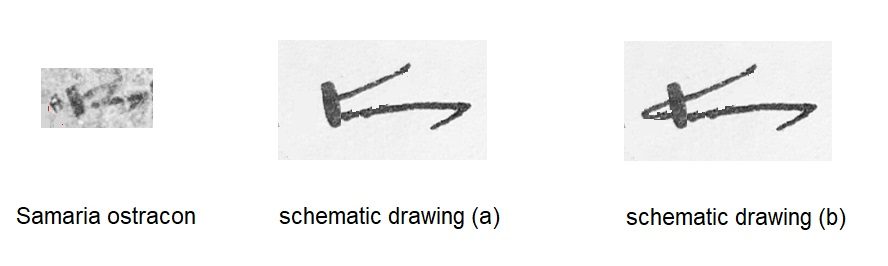
That is a real correspondence between geography, material culture and text, and it is the kind of evidence historians of the ancient world are glad to have even when it under-determines the story. A separate and more recent controversy, over a small folded lead object recovered from material excavated near the site and read by some as bearing an early alphabetic curse formula, has drawn wide attention and equally wide scepticism from specialists in Northwest Semitic epigraphy; that claim is distinct from the structure itself and remains contested, unresolved and worth treating with particular care. The structure on the summit, by contrast, is settled ground: it exists, it was built with intent, and it sits exactly where an old story said something like it should be.
Further reading
Ebal and Gerizim in the text
Deuteronomy instructs that plastered stones bearing the law be set up on Mount Ebal, with an altar of unhewn stone built there for burnt and peace offerings; Joshua narrates the instruction carried out, with the tribes divided between Ebal and Gerizim to hear the law read aloud. The two mountains flank the valley of Shechem, one of the oldest and most contested landscapes in the biblical narrative, and remain identifiable and visitable today.
Hebrew Bible; Sefaria text and commentary