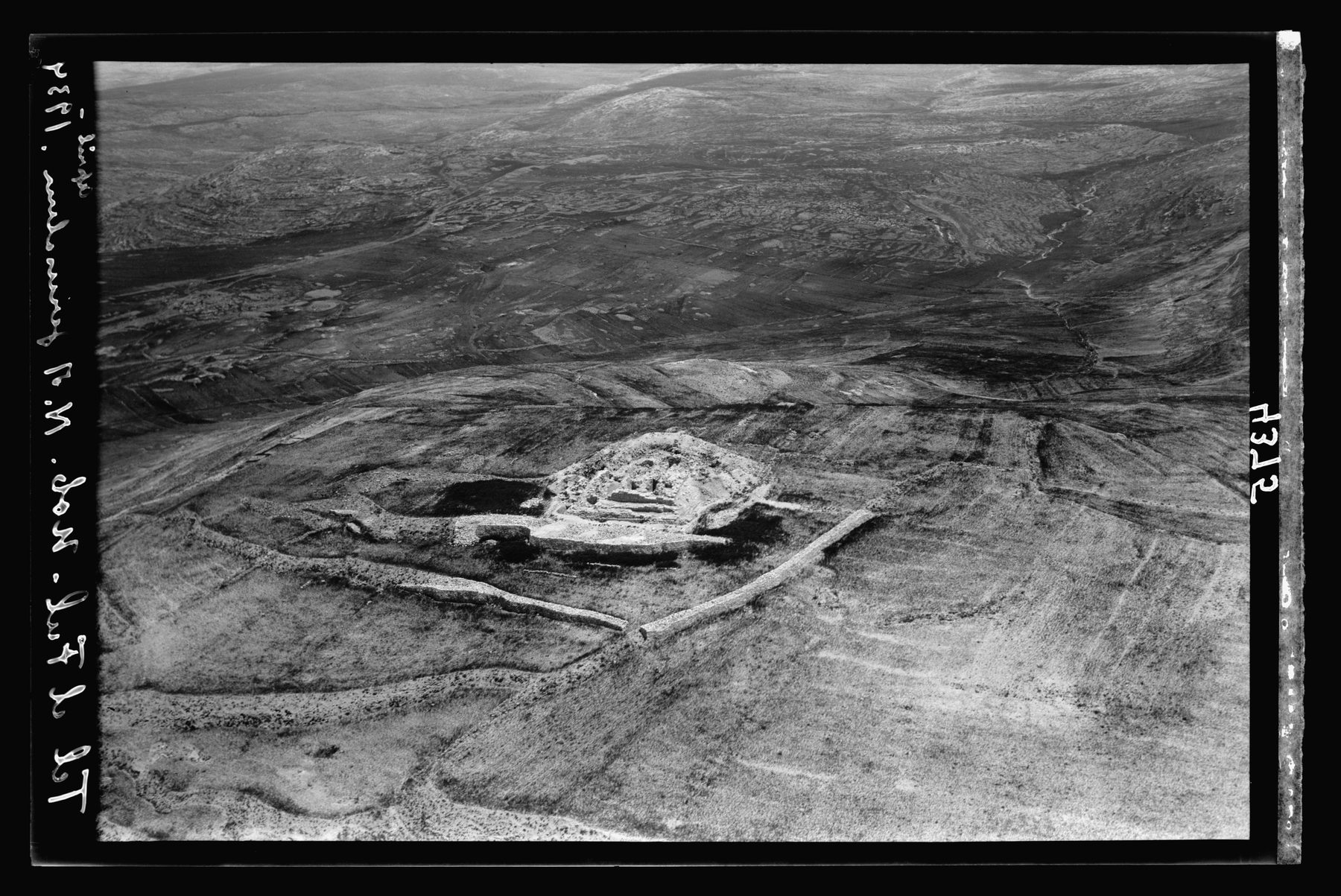
Tel Lachish is a mound that remembers destruction twice. The Assyrians broke it in 701 BCE, an event they were proud enough of to carve across an entire palace wall in Nineveh. The Babylonians broke it again in the final years of the kingdom of Judah, and the Hebrew Bible's Book of Jeremiah preserves a fragment of the city's own last correspondence, the Lachish Letters, written as that second destruction closed in. A city broken twice does not usually get a third act. Lachish did. Long after Judah had fallen and its people had been carried to Babylon and partly returned, a small building went up on the mound's summit - not a fortress, not a palace, but what excavators came to call a shrine.
That building is the subject here, and it is worth being exact about what kind of evidence it is. It is not a text that announces its own purpose. It is a set of walls, a floor plan and an orientation, recovered by archaeologists and argued over ever since. What it shows, plainly, is that people were still going up to that summit to do something recognisably religious, on a site their ancestors had used for the same purpose, under an empire that had no particular reason to encourage it and did not stop it either.

What was found, and why it was called a shrine
Excavation of the summit of Tel Lachish uncovered a building from the Persian period, the centuries after the Babylonian exile when Judah existed as a small province within a much larger empire. The structure sat where an earlier, grander religious building of the Judahite monarchy had once stood - the mound's high point had evidently kept its old association even after the city around it changed hands, changed rulers and changed size more than once. The Persian-period building was far smaller than what had preceded it: a modest structure rather than a monumental one, fitting the reduced circumstances of a province rebuilding itself rather than a kingdom at its height.
The excavators who identified it gave it the name it is still known by - the solar shrine - because of its orientation. The building was laid out on an east-west axis, its entrance facing the rising sun, a plan that finds parallels in other structures from the Persian-period Levant interpreted as places where solar orientation played a role in cult practice. The name was never meant to claim that the building's users had abandoned the worship of the God of Israel for a sun cult of their own; it was a description of an architectural feature, borrowed as a label, and the label has stuck rather more firmly than the certainty behind it.
The Persian-period shrine at Lachish
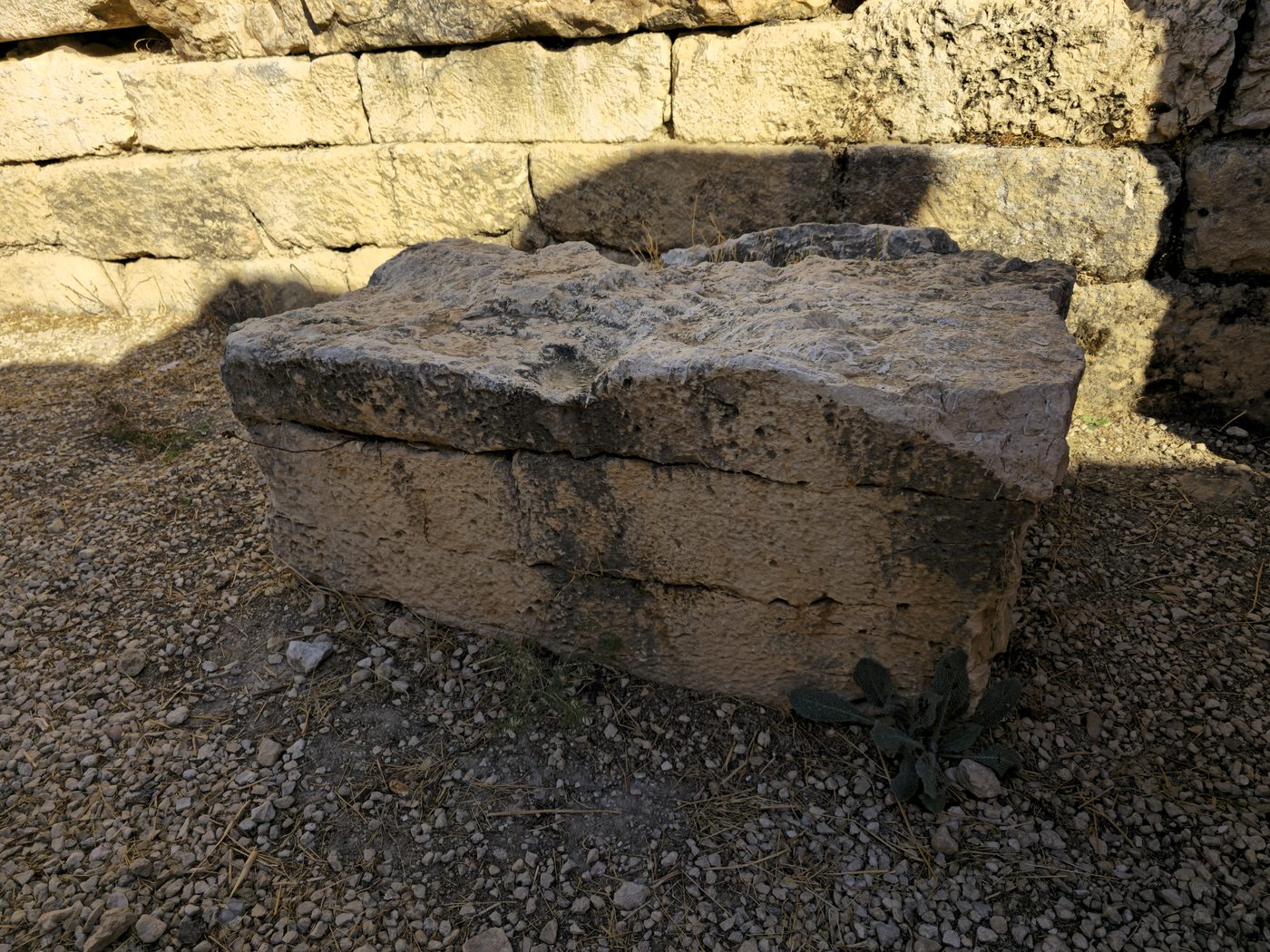
A modest building excavated on the summit of Tel Lachish, on the site of an earlier Judahite religious structure, and dated by its stratigraphic context to the Persian period, after the return from Babylonian exile. Its plan is oriented east-west, entrance facing sunrise, which gave rise to the excavators' name for it. It remains in situ on the mound, within the Lachish national park, one of the few standing witnesses anywhere to religious building activity in Judah between the destruction of the First Temple and the wider archaeological record of the Second Temple period.
In situ, Tel LachishWorship carrying on under empire
What makes the building matter is less its architecture than its timing. Lachish had been burned to the ground by the Babylonians along with the rest of Judah's fortified cities. For a provincial population living under Persian rule, with the great Temple in Jerusalem itself only recently rebuilt on a much reduced scale, putting up any structure with a religious function on a ruined provincial summit was not an obvious use of scarce resources. That it happened at all is a small, physical demonstration that religious life in Judah after the exile was not confined to Jerusalem alone, and that the province's other old high places had not simply gone silent.
The Persian administration that governed Judah in this period is well attested elsewhere as tolerant of, and at times actively supportive of, local cults across its territories - the decree permitting the rebuilding of the Jerusalem Temple, preserved in the biblical Book of Ezra, is the best-known instance of that policy applied directly to Judah. A small shrine reappearing at Lachish under the same regime fits that wider pattern: not an act of defiance against an occupying power, but continuity permitted, even quietly enabled, by an empire that had little to gain from suppressing it.
Either reading leaves the core fact standing. Whatever the building's precise function, its presence confirms that the summit of Lachish continued to be used, deliberately and at some expense, by the province's inhabitants in the generations after the return from exile - and that whoever built it chose, consciously or not, the same high ground the kingdom of Judah had used for the same kind of purpose centuries earlier. A mound broken twice by empire still had something built on top of it by the people who came back.
What the Lachish shrine corroborates
The building corroborates continued religious activity at a provincial site in Judah under Persian rule, independent of the biblical narrative's near-exclusive focus on Jerusalem in this period. It shows that the imperial administration neither prevented nor is known to have penalised such local building, consistent with the tolerant religious policy attested elsewhere in Persian imperial practice. And its placement on the mound's old religious summit shows that memory of the site's earlier use outlasted two destructions and an exile - the kind of continuity that written sources alone rarely preserve in this much physical detail.
In situ, Tel LachishFurther reading