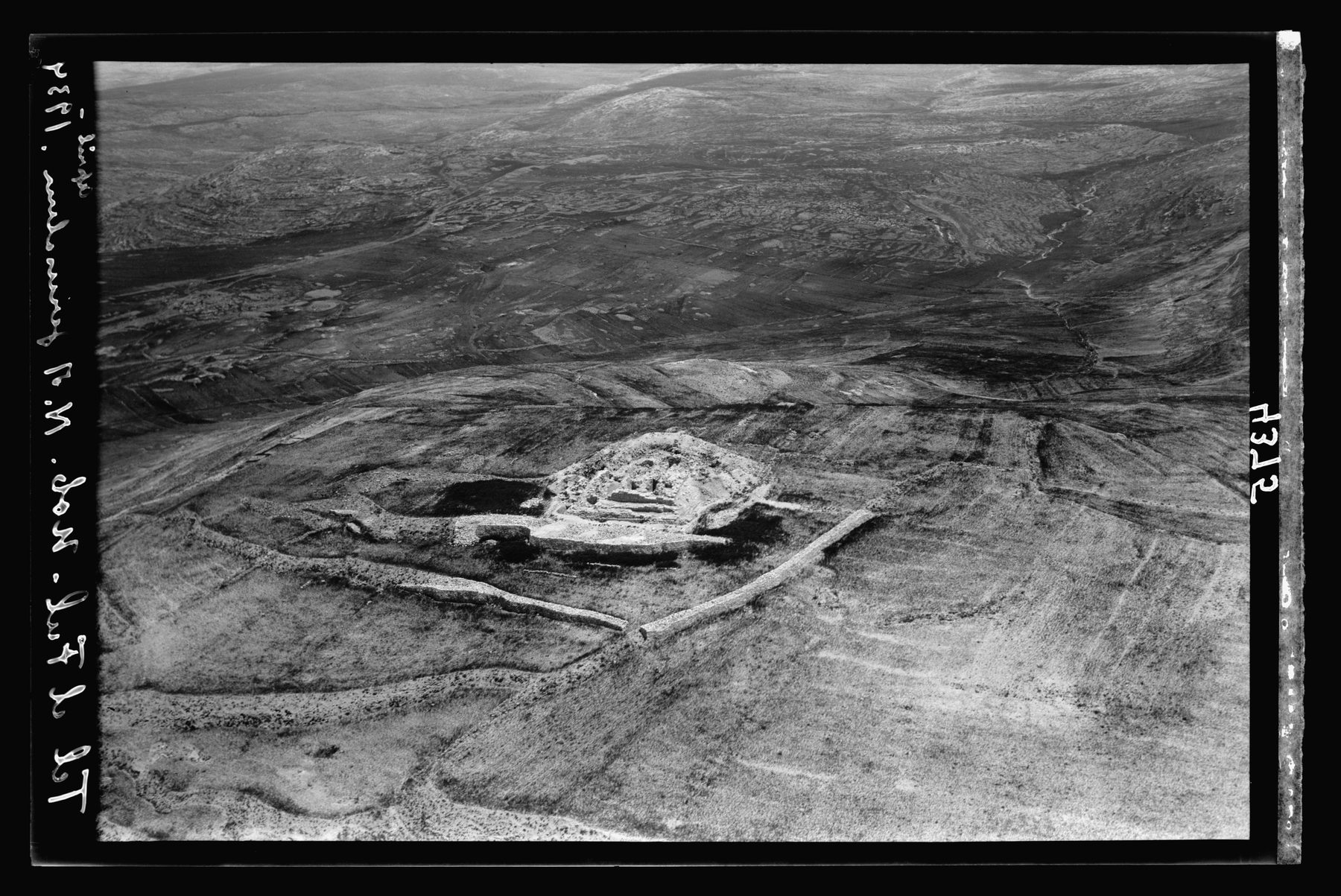
On the southwest corner of the mound at Lachish, a slope of packed stone and beaten earth still rises from the valley floor toward the top of the ancient city wall. It is not rubble. It is engineering: a ramp built on purpose, by an army, to get siege equipment up to the wall of a city that did not want to let it in. Nothing else like it survives from so early a date anywhere in the world. Most sieges leave arrowheads and burnt layers. This one left the machine.
Lachish was the second city of the kingdom of Judah, a fortified administrative centre guarding the approach from the coastal plain into the Judean hill country. In 701 BCE the Assyrian king Sennacherib campaigned against Judah, and Lachish was where he chose to make his point. Rather than bypass the city's defences, the Assyrian army built an immense ramp of stones and packed soil against its weakest corner, high enough to bring battering rams and siege towers level with the top of the wall. The defenders responded in kind, raising a counter-ramp of their own just inside the wall, trying to keep the crest of their own defence above the rising Assyrian slope. Both earthworks survive, one outside the wall and one inside it, a siege caught mid-motion and never cleared away.
What it shows
The ramp is a rare thing in ancient warfare: a piece of siegecraft that can be walked on rather than only read about. Standing on it, the tactical logic of the attack is immediate. The Assyrian engineers chose the corner of the tell with the shortest, least defended slope, and built their ramp to close the height difference between the valley floor and the wall's parapet, so that rams and archers on wheeled towers could work at the same level as the defenders rather than below them. The counter-ramp built by Lachish's defenders shows they understood exactly what was happening and tried to out-build it, heightening their own position from the inside as the Assyrian slope climbed from the outside.
The site also preserves the aftermath. A mass grave with the remains of many individuals, associated debris consistent with violent destruction, and a thick burnt layer across the mound all point to a city that fell hard at the end of this siege. Sennacherib's own palace at Nineveh commemorated the victory with a set of large relief panels depicting the assault on Lachish in detail - the ramp, the siege towers, the archers, and Judahite captives and possessions being led away - which was excavated in the nineteenth century and is now held at the British Museum. The reliefs and the ramp corroborate one another: an Assyrian king chose to memorialise this particular siege at monumental scale in his own throne room, and the physical works he memorialised are still in the ground exactly where his engineers left them.
Two ramps, one siege
The Assyrian assault ramp rises against the southwest corner of the tell, built of stone and packed earth over timber lacing. Just inside the city wall at the same corner, excavators identified a second, later earthwork built from the inside - Judah's attempt to counter the rising Assyrian slope with a raised defence of its own. The two features sit close enough together, and align well enough with each other, that most excavators read them as opposing responses to the same assault rather than unrelated construction phases.
In situ, Tel Lachish; excavation archives, Israel Antiquities AuthorityDiscovery and dating
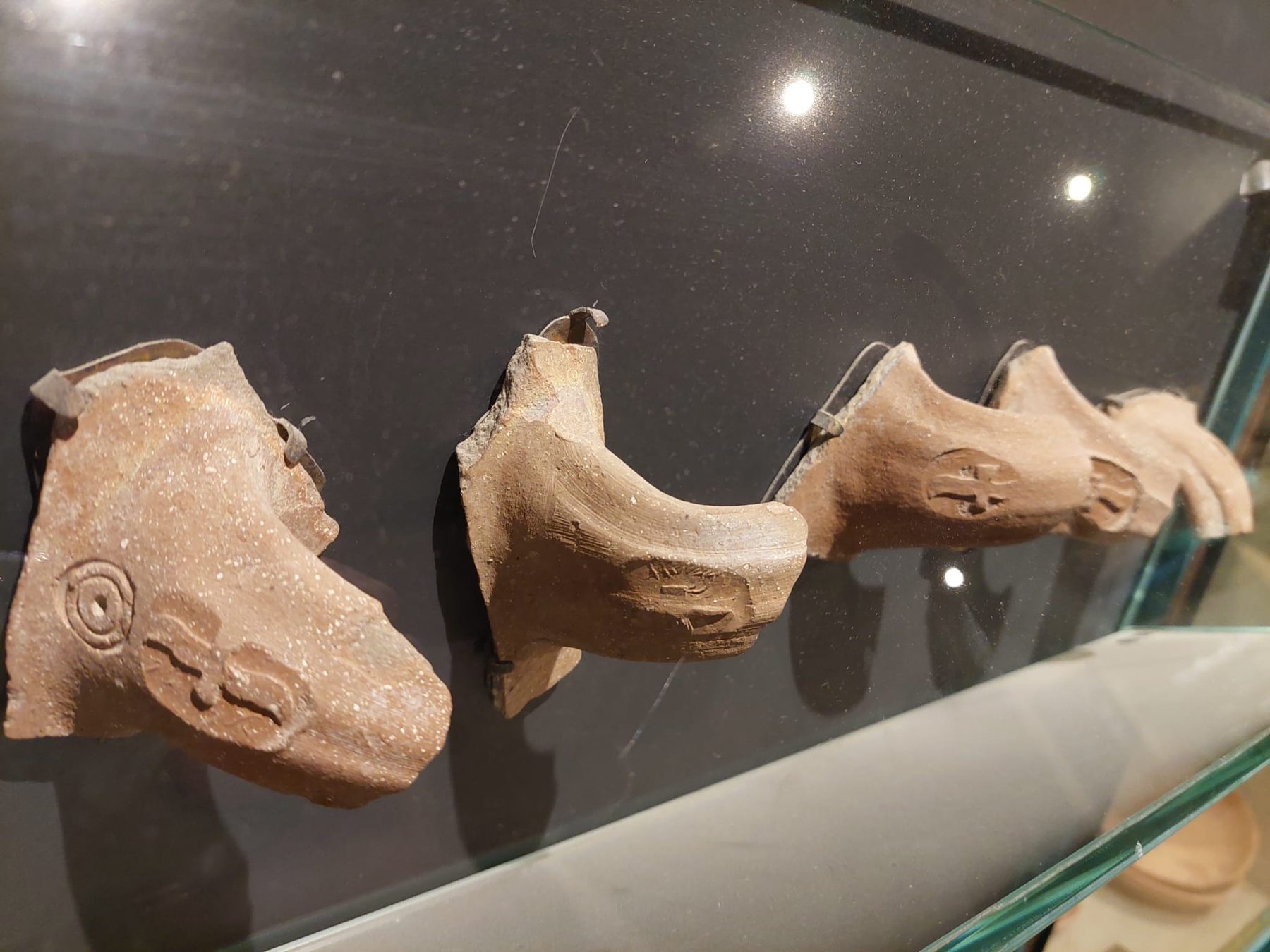
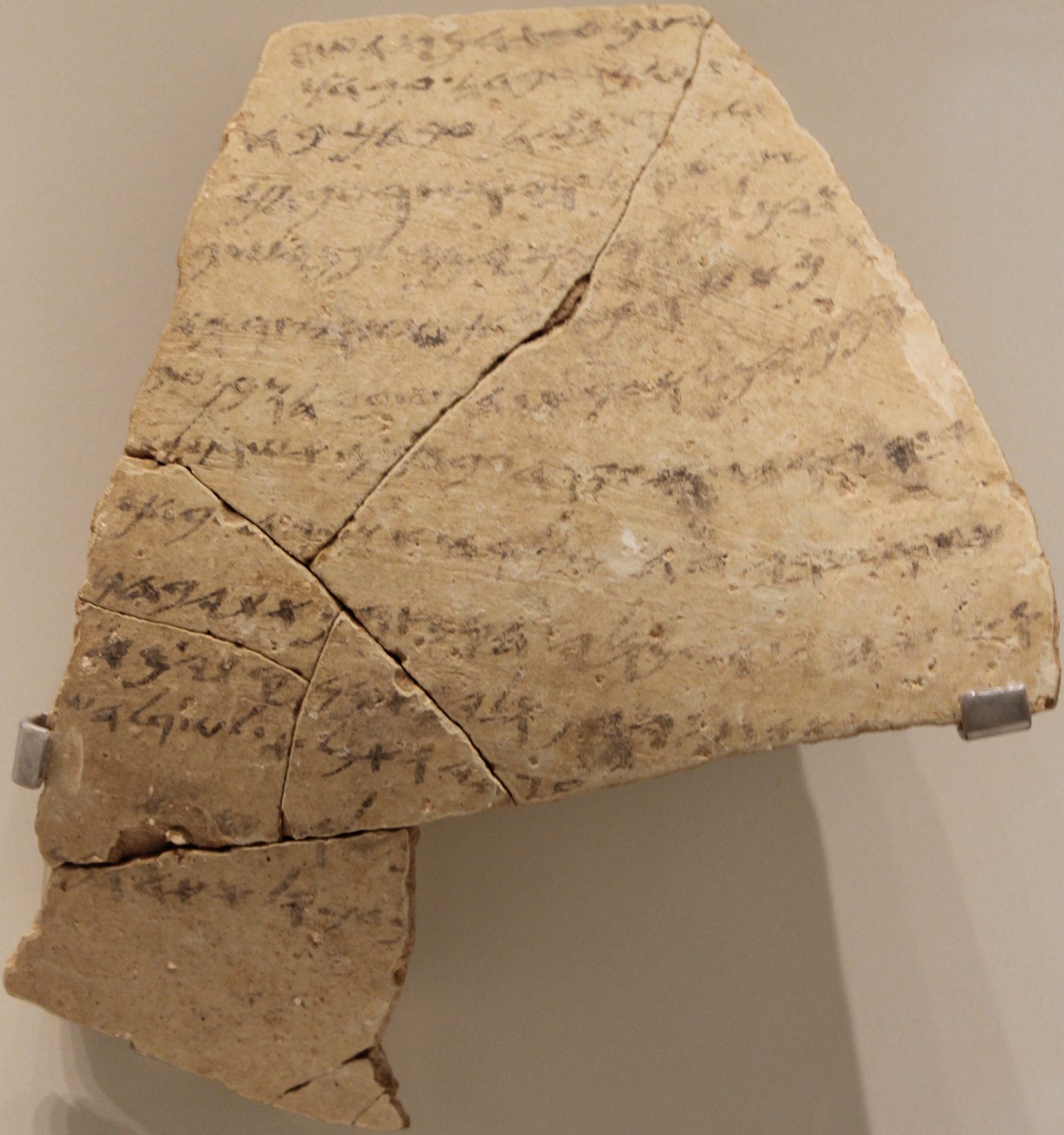
Lachish was identified with the biblical and Assyrian city at the site now known as Tell ed-Duweir in the Shephelah, southwest of Jerusalem, and has been the subject of major excavations across the twentieth century and into the twenty-first, including seasons focused specifically on the siege works at the southwest corner. The destruction layer associated with the 701 BCE siege is one of the more securely dated destruction horizons in the southern Levant, anchored by the correspondence between the excavated stratigraphy, the Assyrian royal inscriptions describing the campaign, and the Lachish reliefs from Nineveh, which name the city outright in their accompanying inscription.
Lachish was destroyed again later, at the end of the kingdom of Judah in the early sixth century BCE, this time by the Babylonians, and the site preserves evidence of that second, final destruction as a separate layer above the Assyrian one. Keeping the two sieges straight in the stratigraphy, and correctly assigning the ramp to the earlier Assyrian assault rather than the later Babylonian one, has been one of the central tasks of the site's excavators, and is now well established.
The siege shown from the winning side
The Lachish reliefs, carved for Sennacherib's palace at Nineveh and excavated there in the nineteenth century, depict the siege ramp, siege towers, archers and the aftermath in procession, with an accompanying cuneiform inscription naming Lachish and Sennacherib as he receives the city's submission. The reliefs are Assyrian court art, made to celebrate an Assyrian victory, but their depiction of a ramp assault at this city matches the physical earthwork found in the ground closely enough that the two are treated as describing the same event from different sides.
British Museum, LondonWhy it matters as evidence
The ramp matters because it is not a text making a claim about a siege. It is the siege equipment itself, still standing at the wall it was built to overcome, in a kingdom whose textual record - Assyrian and biblical alike - names this campaign. It fixes a Judahite city, its fortifications, its fall and the identity of its conqueror to a single, physically dated event that does not depend on any one written source being accurate. The Assyrian inscriptions could exaggerate. The biblical narrative could compress or reorder. The ramp cannot lie about its own existence, its materials, or the corner of the wall it was built against.
It also matters as a rare survival in its own right. Siege ramps are transient structures by nature, built for one assault and often reused, robbed for material, or eroded away afterward. That Lachish's ramp, and the defenders' answer to it, both survived nearly whole under later deposits gives siege archaeology a fixed point it otherwise lacks: a securely dated, physically legible example of how an eighth-century BCE army actually took a walled Levantine city, matched against a contemporary artistic record of the same event made by the side that won.
Further reading