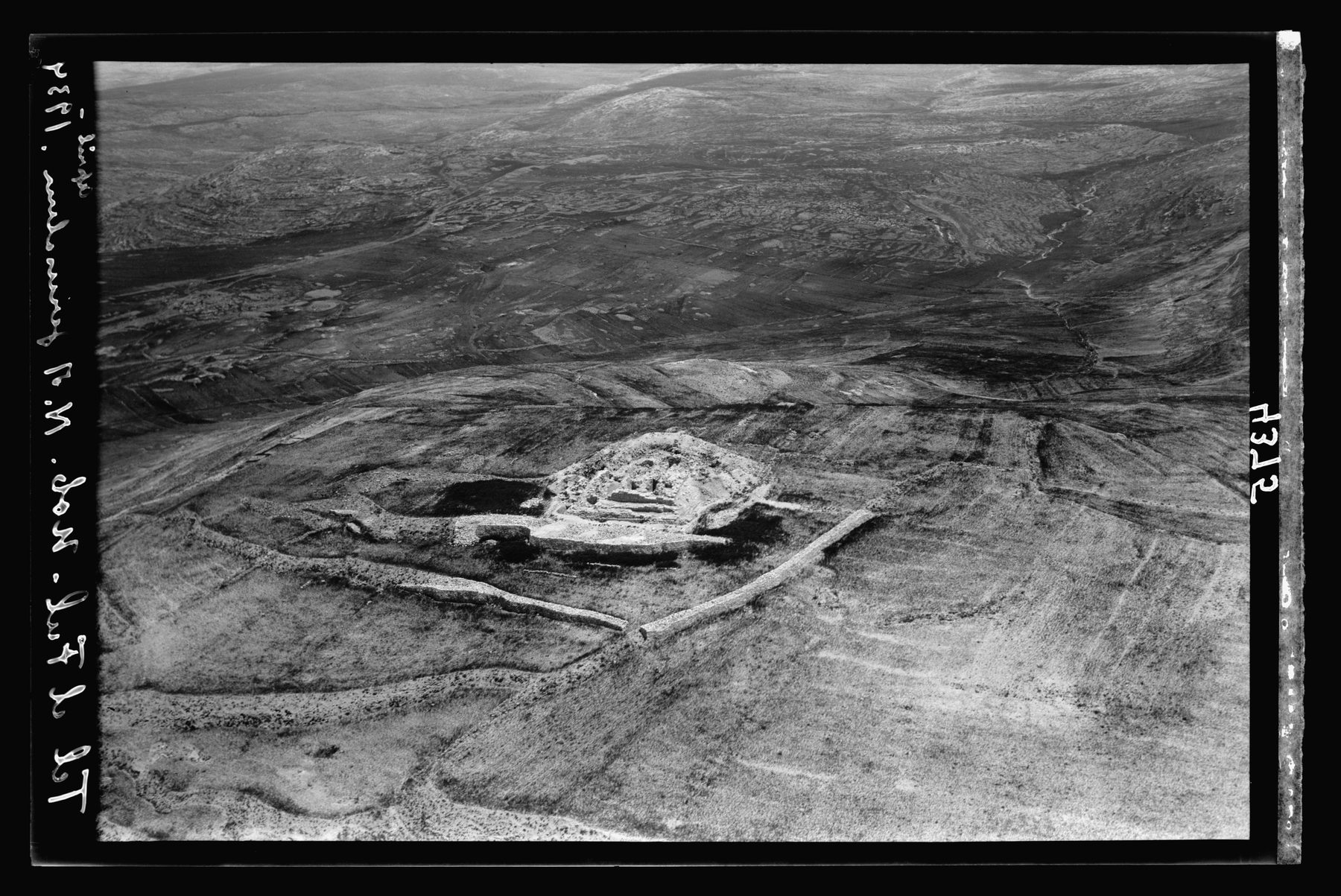
Khirbet el-Qom is an unremarkable low hill in the Judean foothills, south-east of Lachish and west of Hebron - the kind of site that would draw no attention at all if it hadn't once held a cemetery for a First Temple-period Judahite town. In one of its rock-cut burial chambers, on the wall above a bench where a body would have lain, someone incised a short Hebrew text asking a blessing for a man named Uriyahu. The blessing is invoked "by ה׳" and, in the same breath, by "his asherah". It is one of only two known First Temple inscriptions to pair the God of Israel with an asherah in this way, and it has been at the centre of a real argument about ancient Israelite religion ever since it came to light.
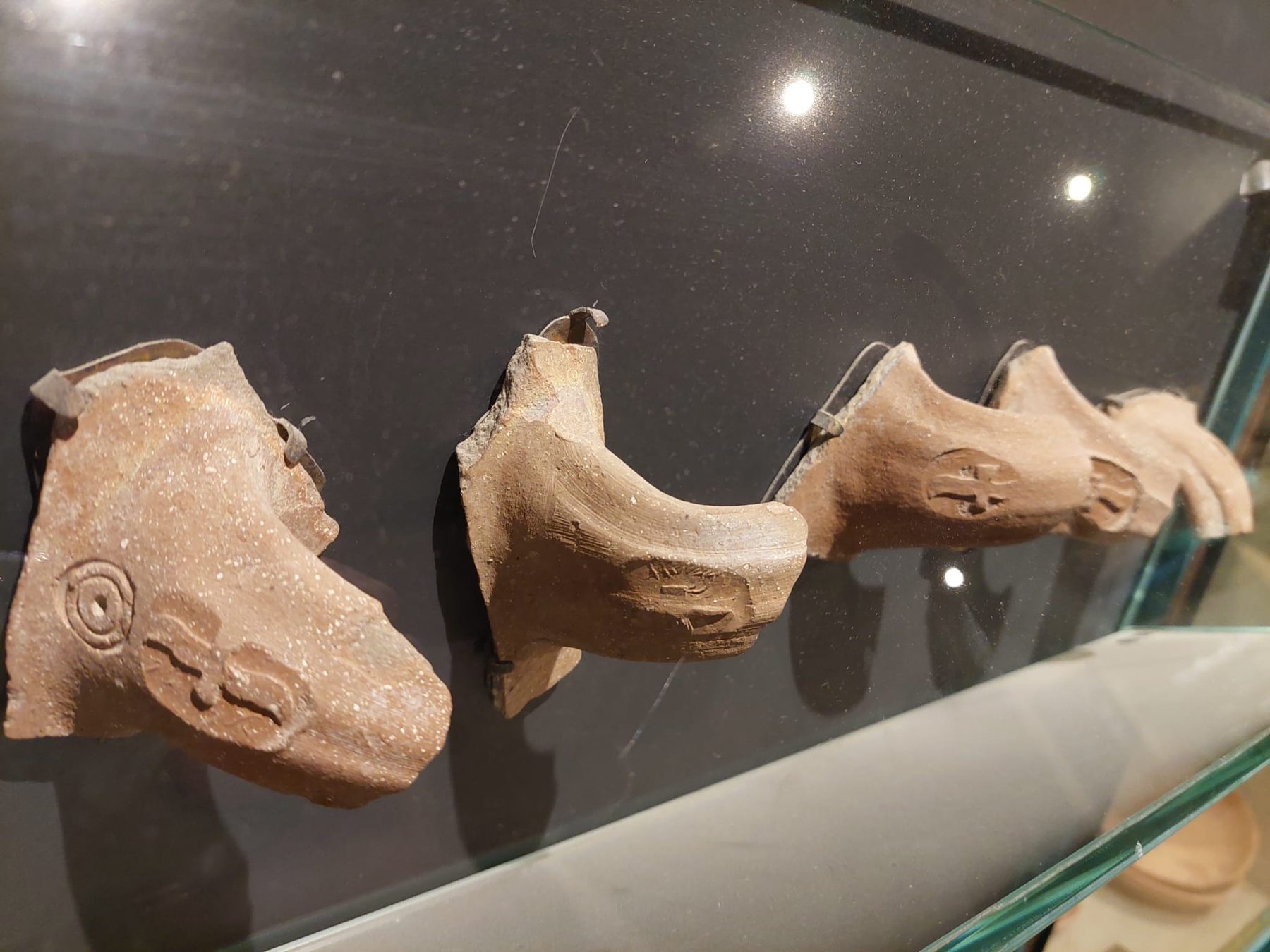
The tomb was looted before archaeologists reached it properly, which is the ordinary, unglamorous fate of most burial caves in this landscape. What survives is the inscribed rock face itself, photographed, squeezed and studied in place, and a handful of associated finds from the same tomb complex. The inscription has since been read and re-read by successive generations of Hebrew epigraphers, because the surface is worn and the letters are not all equally legible - which is exactly why the debate around it has never fully closed.

What the inscription says
Read together with damage and later scholarship, the core of the text runs roughly: "Uriyahu the rich wrote this. Blessed be Uriyahu by ה׳, and from his enemies, by his asherah, he has saved him." The grammar is not perfectly clear at every point, and different readers have proposed different divisions of the lines, but the essential structure survives every proposed reading: a man is blessed, the blessing names ה׳ first, and it names an asherah in the same clause, as a further source of protection or as a title bound to ה׳ himself.
That pairing is the whole reason the inscription matters. In the Hebrew Bible as it reached its final form, an asherah is consistently a forbidden object - a wooden cult pole or sacred tree associated with the Canaanite goddess Asherah, which the reforming kings of Judah are repeatedly said to have torn down. Yet here, on a Judahite tomb wall from roughly the same world those reformers were operating in, someone invoked ה׳ and an asherah together, apparently without discomfort, as a routine formula of protection for the dead.
The Khirbet el-Qom Tomb Inscription
A short Hebrew text incised into the rock wall of a burial cave at Khirbet el-Qom, in the Judean Shephelah south-west of Hebron. It blesses a man named Uriyahu "by ה׳" and "by his asherah". Dated on palaeographic grounds to the eighth century BCE, within the First Temple period and roughly contemporary with the reigns of the kings the Bible credits with cultic reform. The tomb had been looted before controlled excavation, so the inscription is known chiefly through on-site recording rather than as a removable object.
In situ, Khirbet el-Qom, Judean ShephelahWhy it matters as evidence
The Hebrew Bible tells its own story about this period: prophets railing against asherah poles, kings ordered to tear them down, a religious establishment fighting a long campaign against practices it treated as compromise or backsliding. What the biblical text does not give us, on its own, is a first-hand voice from inside the practice being condemned. The Khirbet el-Qom inscription is one of the very few places where that voice survives - not a polemic against asherah worship, but an ordinary Judahite family, at an ordinary grave, treating ה׳ and an asherah as parts of the same protective blessing.
It does not stand alone. Inscriptions from Kuntillet Ajrud, further south in the Sinai, carry a similar pairing of ה׳ with an asherah, in a different find context and a different hand. Two independent sites, in different regions, both from the broader First Temple period, both preserving the same unusual formula, make it much harder to treat Khirbet el-Qom as a fluke of one mason's phrasing. Together they are the strongest surviving evidence that the strict, exclusive monotheism later prophets and reformers demanded was an achievement, fought for and eventually won, rather than the starting condition of Israelite religion. The inscription does not embarrass that history. It explains why the reformers had a fight worth recording in the first place.
The Kuntillet Ajrud Parallel
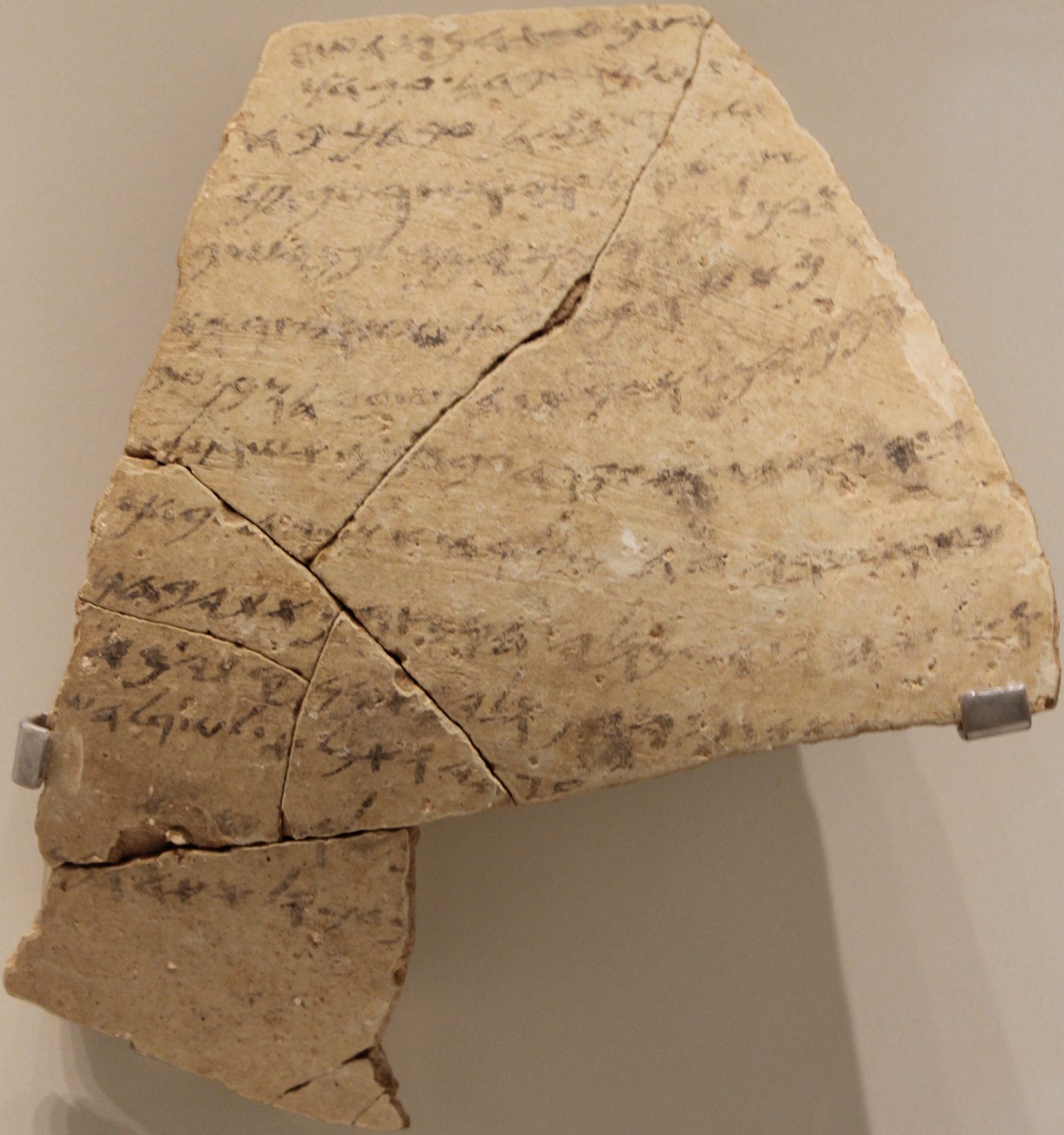
A second, independently discovered body of inscriptions from Kuntillet Ajrud, a way-station site in the eastern Sinai, carries the same unusual pairing of ה׳ with an asherah, written on storage jars and plaster rather than a tomb wall. Different site, different medium, different excavators, same formula. Material relating to the site's inscriptions and finds is held by the Israel Museum, Jerusalem, alongside other First Temple-period epigraphic material, giving researchers and visitors a way to set the Khirbet el-Qom text against a second, independent witness rather than treating it as an isolated curiosity.
Israel Museum, JerusalemFurther reading