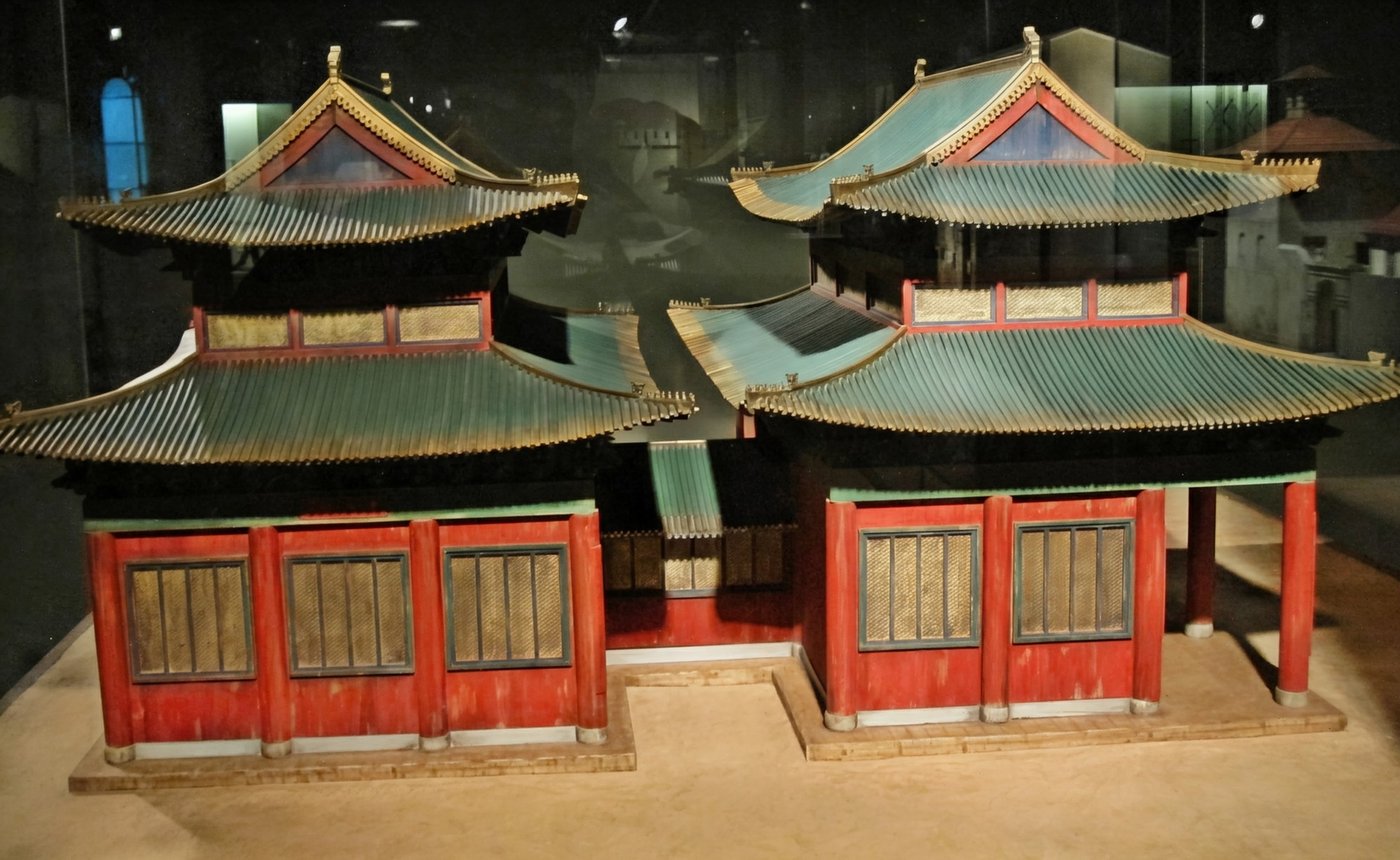
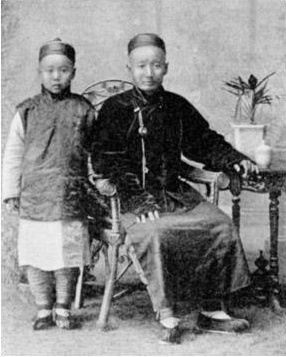
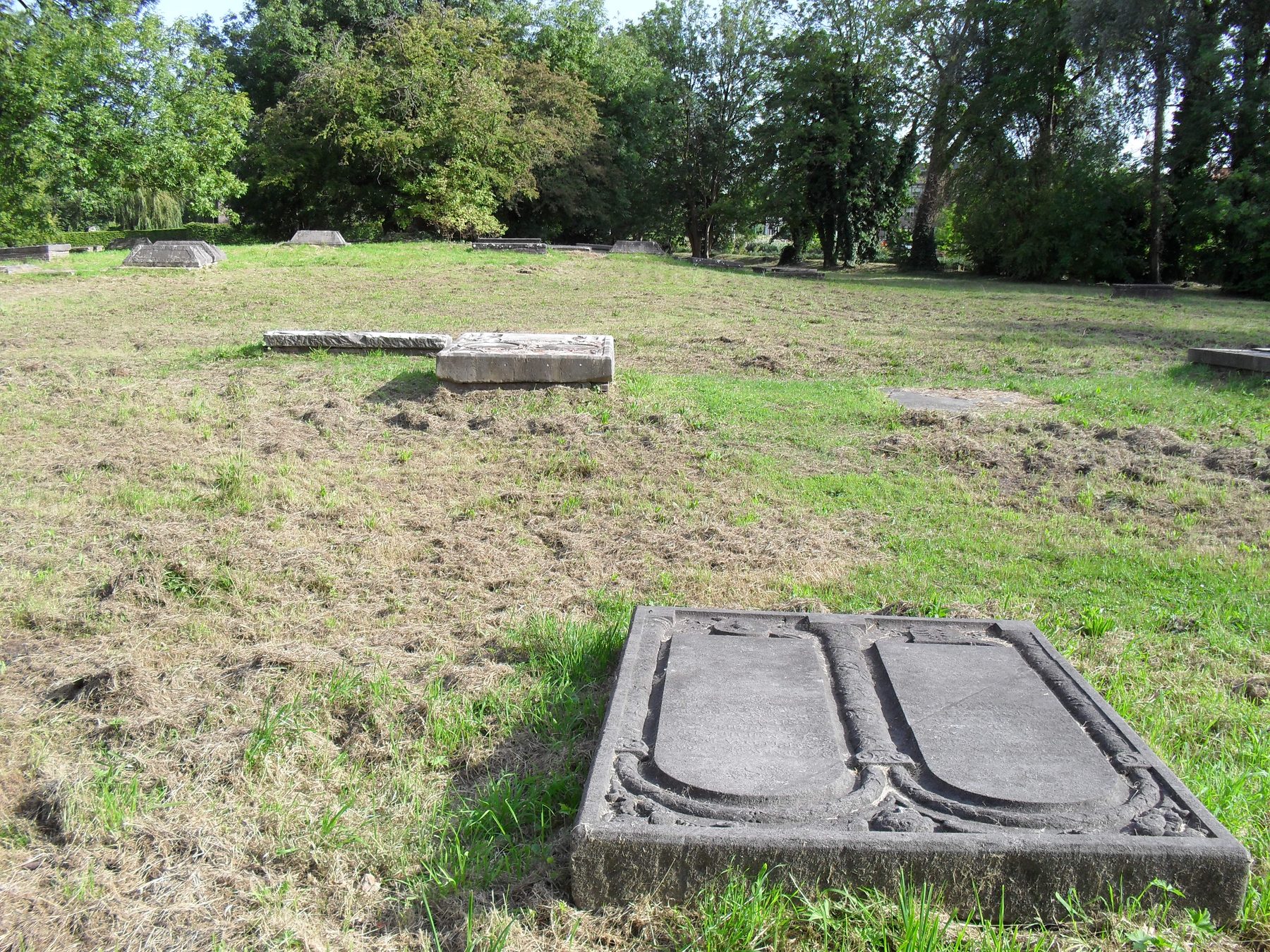
A synagogue stood in Kaifeng, the old capital of Henan province in central China, for the better part of seven hundred years. It burned, flooded, and was rebuilt more than once. Sometime in the fifteenth century, and twice more in the centuries that followed, the community that worshipped there did something unusual for a diaspora community anywhere: it commissioned stone tablets, in the language and literary form of the empire around it, to set down who it was, where it believed it had come from, and what it did. Those tablets are the reason we know anything reliable at all about the Kaifeng Jews before European travellers began writing about them.
The tablets are not scripture and they are not myth kept privately inside a community. They are public monuments, carved in classical Chinese for a Chinese readership, in the genre local temples and guilds used to record their own histories. That choice of form is itself part of the evidence: a community confident enough to explain itself in the state's own literary language, on a stone slab meant to stand in a courtyard for good.

What the stones say
The inscriptions describe a community that called itself, in Chinese, followers of the "Teaching of Scripture" or the "Teaching that Extracts the Sinew" - a reference to the biblical prohibition on eating the sciatic nerve of an animal, a practical, recognisably Jewish detail rendered into Chinese idiom. They record the building and rebuilding of the synagogue after floods of the Yellow River damaged or destroyed it, the names of officials and patrons who supported the community, and a synagogue register of the surnames its members carried. They also gesture toward an origin narrative, tracing the community's roots back toward the biblical patriarchs and describing an arrival in China under one of the imperial dynasties, though the precise date given in the inscriptions themselves has to be read as communal memory rather than settled fact.
They describe religious practice in terms a Chinese reader of the period would recognise: reverence for Heaven, ancestor-honouring language, moral cultivation - the same vocabulary Confucian and Buddhist inscriptions used for their own institutions. Underneath that vocabulary, though, sit unmistakably Jewish particulars: the sciatic-nerve prohibition, references to the Torah scrolls kept in the synagogue, circumcision, and the observance of a seventh day of rest. The stelae are, in effect, a community explaining Judaism to a Chinese audience using the only literary register that audience would take seriously.
The earliest surviving Kaifeng stele
A stone tablet raised by the Jewish community of Kaifeng to commemorate the rebuilding of its synagogue, inscribed in classical Chinese. It records the community's own account of its origins, its religious practice described in terms drawn from Confucian and Chinese religious vocabulary, and the biblical prohibition on eating the sciatic nerve as a marker of communal identity. It is the earliest substantial written source for the Kaifeng Jewish community produced by the community itself, rather than by an outside observer.
Text preserved via rubbings and transcriptions; held in scholarly and museum collectionsWhat the stones prove, and what they don't
The stelae are strong evidence for several things and weaker evidence for others, and the distinction matters. They are strong evidence that a self-identifying Jewish community existed in Kaifeng, worshipped in a purpose-built synagogue, maintained Torah scrolls, kept dietary and Sabbath practice recognisable as Jewish, and had the standing and resources to commission formal stone monuments in the empire's literary language across several centuries. They are strong evidence that the community understood itself as continuous with the biblical narrative and considered that identity worth stating publicly, in stone, to a non-Jewish readership.
They are weaker evidence for the precise date and route of the community's original arrival in China. The stelae themselves were carved centuries after the events they describe, and a community's own foundation story, inscribed generations later, is a record of what that community believed and wished to state about itself rather than a contemporary document of the arrival. Scholars working on Kaifeng have generally treated the stelae's account of an early arrival - variously placed under different dynasties in different tellings - as plausible in outline but not precise enough to fix an exact century, and have looked to trade routes, surname records and later Chinese administrative sources to narrow the picture further. That is an ordinary and unremarkable state of affairs in diaspora history: the community's own foundation memory and the archaeological or documentary record for its earliest years rarely align to the year.
What makes the stelae unusual as evidence is the audience they were written for. Most of what survives about small diaspora communities before the modern period comes either from the community's internal religious documents, not meant for outsiders, or from the accounts of outside visitors, who bring their own assumptions and often arrive centuries after settlement. The Kaifeng stelae are neither. They are a community's own public statement, addressed outward, in a form the surrounding society would recognise and could in principle verify against other local records. That combination - self-authored, dated, publicly displayed, written in the majority language for a majority readership - is rare enough to make the stelae unusually good evidence, whatever remains uncertain about the earliest chapters they gesture toward.
A community confident enough to explain itself in the empire's own literary language, on a stone slab meant to stand in a courtyard for good.
Dispersal of the Kaifeng synagogue's contents
As the Kaifeng community shrank and its synagogue fell into disrepair and eventual disappearance, Torah scrolls, ritual items and documentary material connected to the community were acquired by visiting scholars, missionaries and institutions and left Kaifeng. Material connected to the community, including Torah scrolls and rubbings or transcriptions of the stelae inscriptions, is today held across a number of museum and library collections rather than remaining together at the original site, which complicates study but has also helped preserve the record.
Held across various museum and library collections