Walk into the Heiliger Sand - the Holy Sand - on the edge of Worms today and you are standing in a working cemetery, not a ruin. Stones lean at every angle a thousand winters can produce, some sunk to their shoulders in the ground, some still upright and legible, and the site has never gone out of use since the community that raised the first of them buried its dead here. That continuity, not any single inscription, is the evidence. This is the oldest Jewish cemetery in Europe still receiving burials, and its stones are a dated, checkable record of a community that has been present on this ground for close to a thousand years.
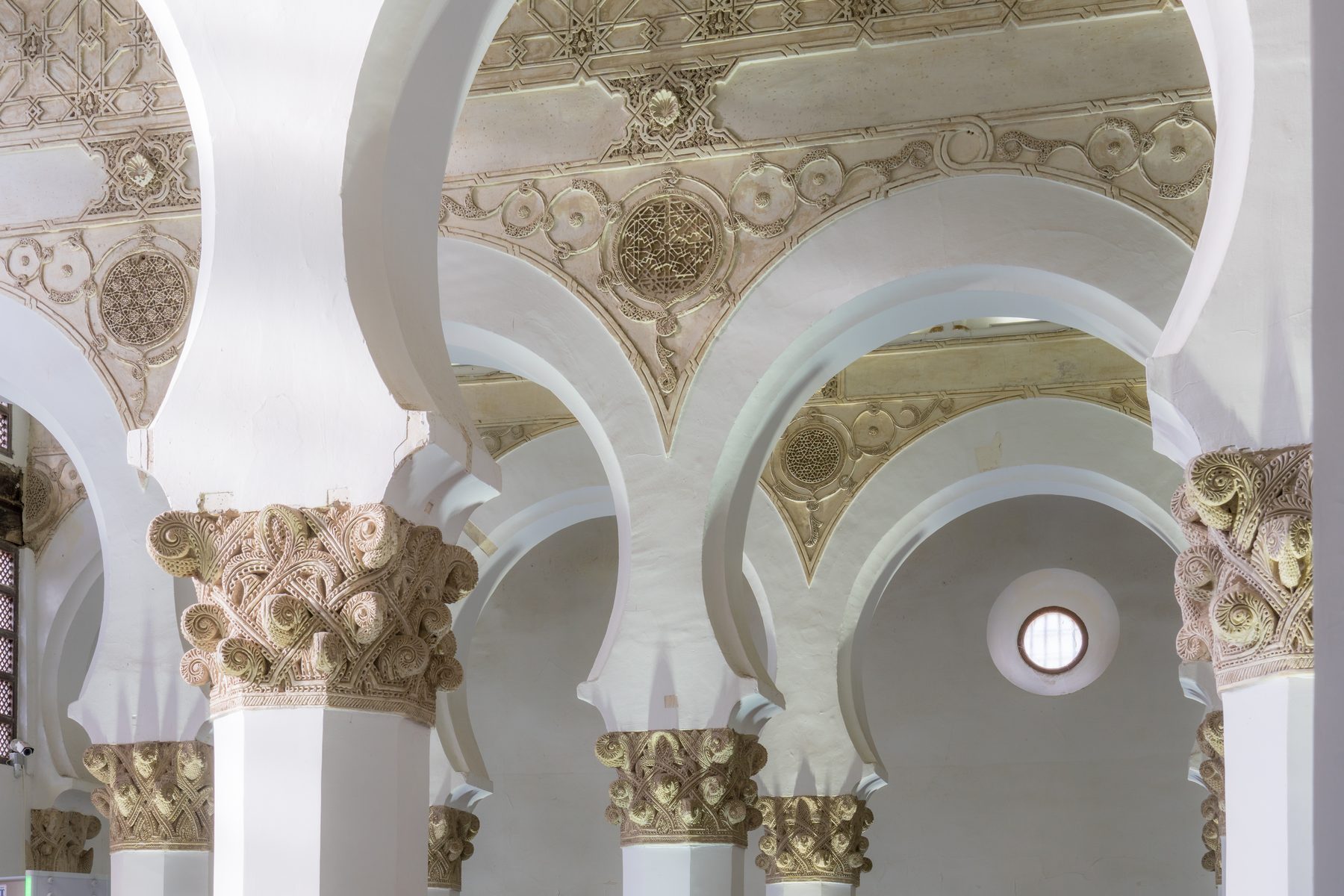
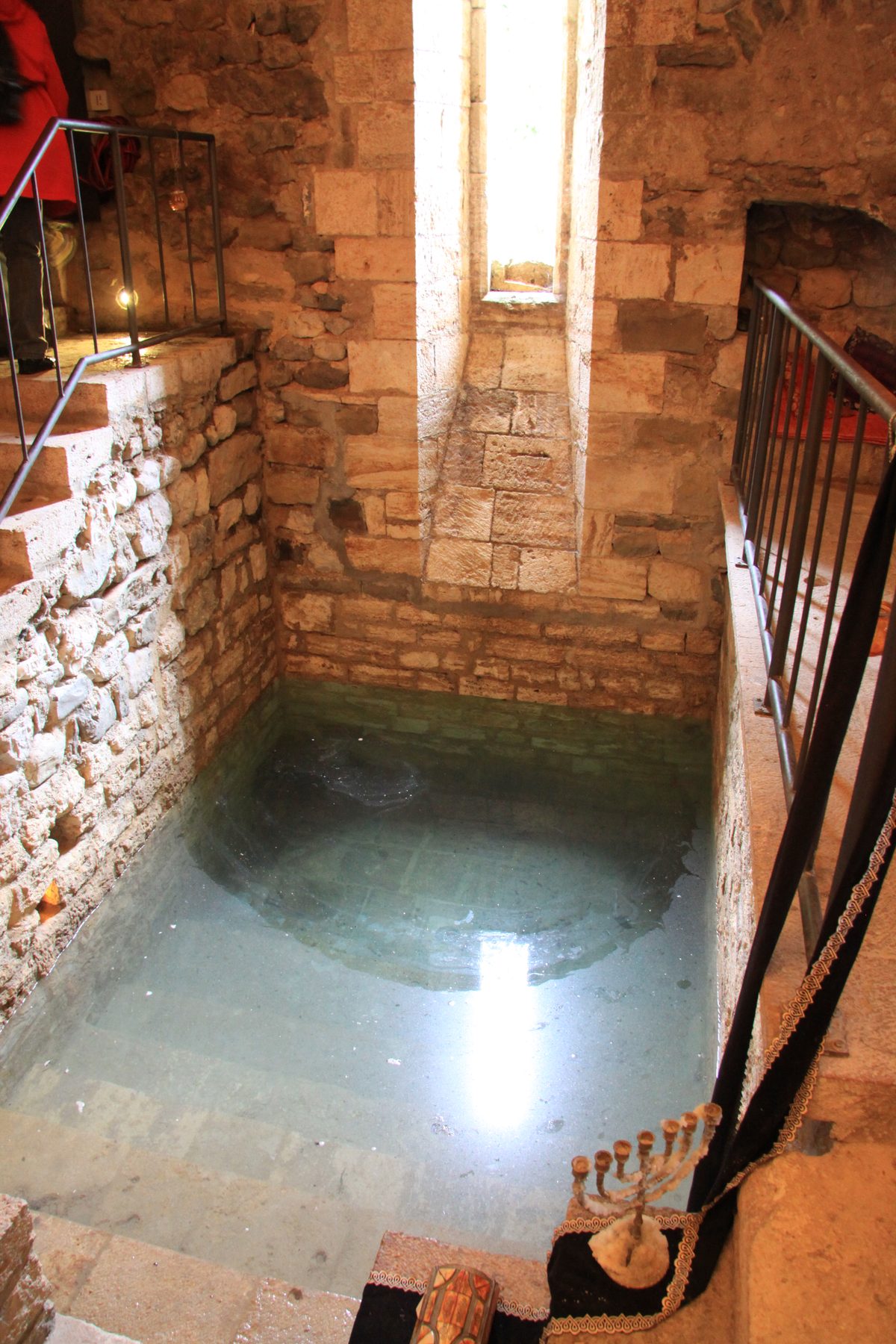
Worms sits on the Rhine in what is now Rhineland-Palatinate, and in the medieval period it was one of three neighbouring communities - Speyer, Worms and Mainz, known together by the Hebrew acronym ShUM - that formed the intellectual and legal centre of gravity for Ashkenazi Jewish life. Worms had its own fortified synagogue complex, a mikveh, a yeshiva, and a cemetery that grew, generation after generation, on the same patch of sandy ground just outside the old town wall. The synagogue was burned more than once across the centuries and rebuilt each time. The cemetery could not be burned in the same way. Its evidence sits in the ground, in stone, and stone survives what buildings do not.

What the stones say
A medieval Ashkenazi tombstone is not decorative. It carries a name, a patronymic, a date of death reckoned by the Hebrew calendar, and often a formulaic epitaph praising the dead person's learning, charity or standing in the community. Read one stone and you learn about one person. Read several hundred, arranged by date, and you have something closer to a community register: who married into which family, which names recur across generations, which years saw a cluster of deaths that suggests plague or violence, and how the formulas used to praise the dead shifted over the centuries. Individually the stones are epitaphs. Collectively they are a demographic and onomastic archive that no chronicle from the period can match for density or for the ordinariness of the lives it records - not only rabbis and notables, but the women, children and otherwise unremarkable townspeople whose names survive nowhere else.
Among the earliest legible stones is one traditionally dated to the 1070s, which places the start of continuous, datable Jewish burial at Worms in the second half of the eleventh century - already a settled community, with its own burial ground, before the First Crusade passed through the Rhineland in 1096 and devastated it. The cemetery therefore predates the very violence that later swept through the community it served, and it kept receiving burials afterward. That is the pattern the site preserves in miniature: destruction visited on the living community again and again across the centuries, and the cemetery persisting through all of it, expanding rather than emptying.
The earliest legible burials
The oldest dated tombstones legible at the Heiliger Sand belong to the closing decades of the eleventh century, making this the earliest Jewish cemetery in Europe for which continuous, datable use can be demonstrated from the stones themselves rather than from later documentary reference. The inscriptions are cut in Hebrew, in the standard epitaph formulas of the period, and remain in situ on the ground where they were first set.
Heiliger Sand cemetery, in situ, WormsGraves that became pilgrimage
Certain graves at the Heiliger Sand drew visitors long before anyone thought of the site as a heritage monument. The most told story concerns a leading rabbinic authority of the thirteenth century who died in prison after resisting a ruler's demand for ransom, and whose body was held for years afterward until a wealthy community member paid to have it released for burial. That community member was later laid to rest beside him, by his own request, so that in death he could keep faith with the man whose freedom he had purchased too late in life. The two graves became, and remain, a site of visitation - stones people still come to read, touch and leave a pebble upon, in the ordinary Jewish practice of marking that a grave has been visited.
That practice of leaving stones is itself a kind of evidence, layered on top of the epitaphs. A cemetery that has been visited without interruption for centuries accumulates its own record of that visitation, in the small stacked pebbles on the older graves and in the well-worn paths between the rows. Continuity here is not only claimed in guidebooks. It is legible on the ground.
Surviving destruction, then formal recognition
The Worms synagogue was set alight during the November 1938 pogrom and later destroyed further in wartime bombing, then rebuilt after the war on its old foundations. The adjoining cemetery survived those same years largely intact, though not undamaged, because a graveyard offers less to a mob or a bomb than a building does. In 2021 UNESCO inscribed the ShUM sites of Speyer, Worms and Mainz - including the Heiliger Sand - as a World Heritage property, formally recognising the cemetery's stones as primary evidence for the origins of Ashkenazi Jewish civilisation in Europe.
UNESCO World Heritage List; Worms municipal and Jewish community recordsWhy it matters as evidence
A cemetery cannot be forged the way a manuscript colophon sometimes can, and it cannot be relocated the way a scroll or a scroll case can. The Heiliger Sand's evidential weight comes precisely from what it is: a fixed piece of ground, with datable inscriptions cut into durable stone, still standing where they were first placed, still legible by anyone who reads the Hebrew alphabet and knows the epitaph formulas. It corroborates, independently of any chronicle, that a Jewish community was living, dying and burying its dead at Worms from the late eleventh century onward, that it kept doing so through crusade, plague, expulsion threats and pogrom, and that it is doing so, in the sense of active guardianship and visitation, today. Few pieces of evidence anywhere in Jewish history make so plain and so literal a claim: not a memory of presence, but presence measured in stone, generation stacked on generation, on the same patch of sand.
Further reading