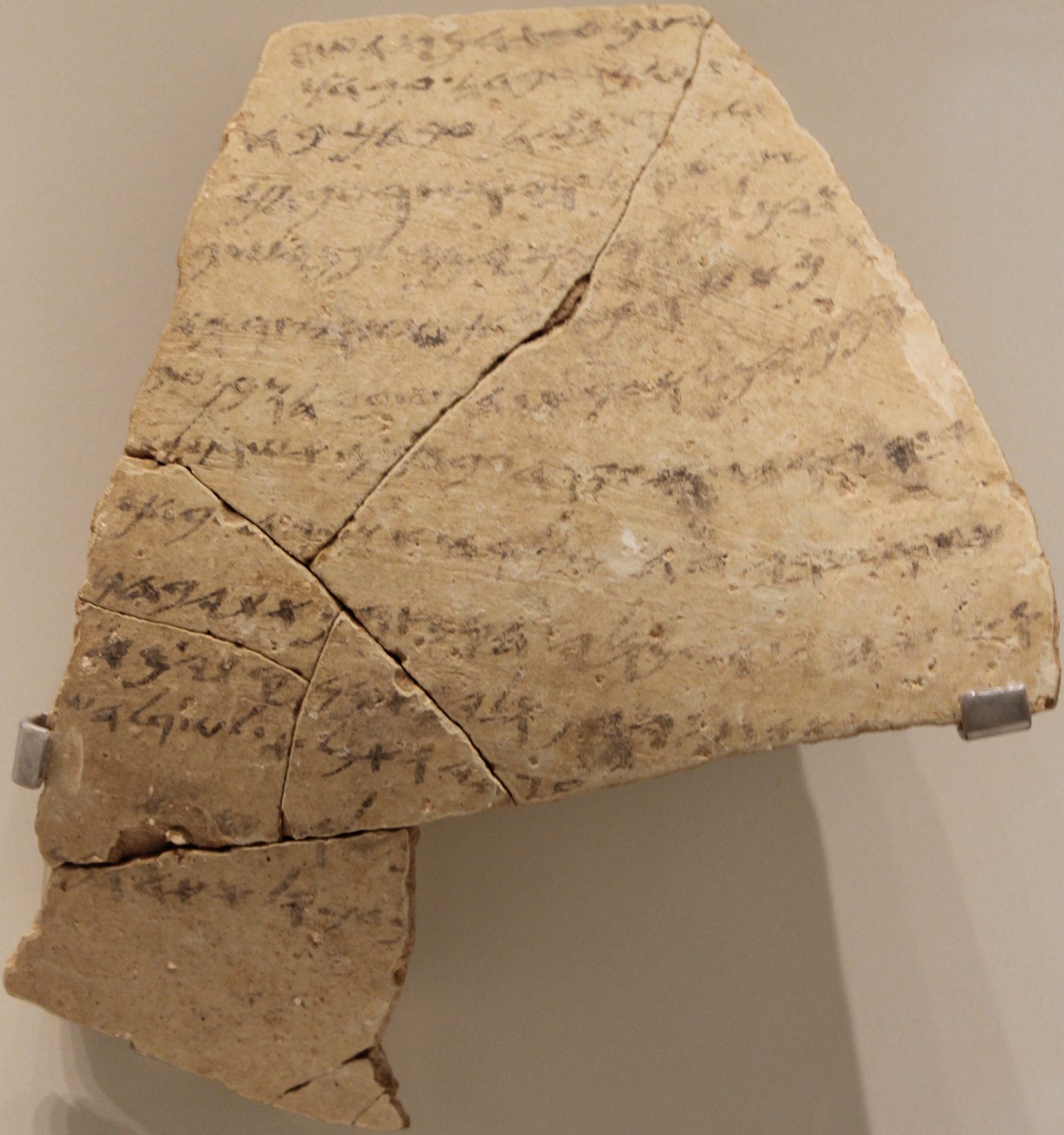
In 1996, at Tel Miqne in Israel's coastal plain, excavators clearing the remains of a monumental building came upon a rectangular limestone slab set into the floor of what had been a temple. It carried five lines of Phoenician-script writing, complete, undamaged, and unambiguous about what it was: a dedication, naming the man who built the temple, his father, his grandfather, his great-grandfather, and his great-great-grandfather - five generations of kings of a city called Ekron. It is one of the very few royal inscriptions from the Philistine world ever recovered, and it settled, at a stroke, a question that had sat unanswered for over a century: where exactly was biblical Ekron.
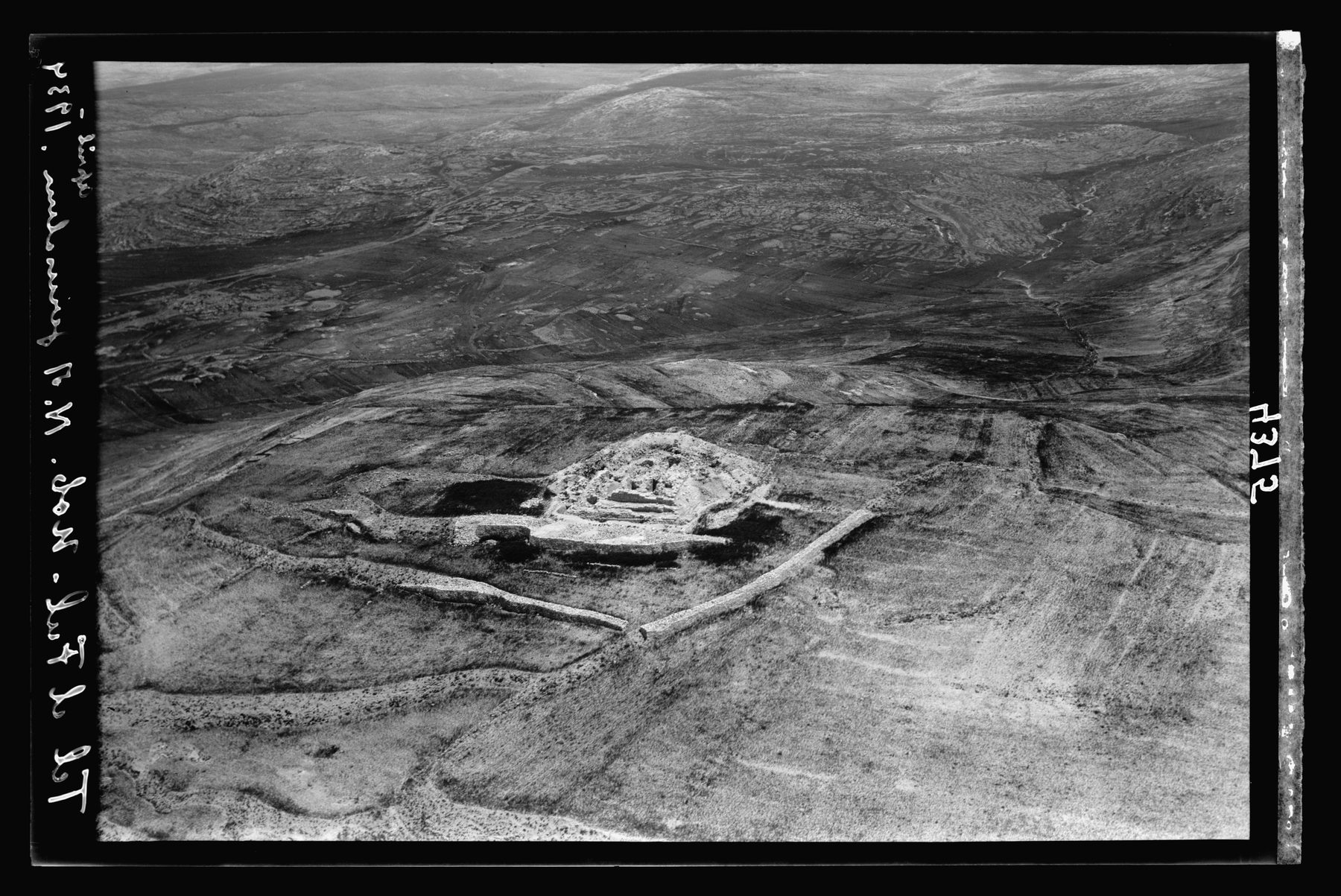
Tel Miqne lies inland from Ashdod and Ashkelon, on the border between the coastal plain and the Judean foothills - precisely where ancient sources placed Ekron, one of the five cities of the Philistine pentapolis alongside Gaza, Ashkelon, Ashdod and Gath. Scholars had proposed the identification before the inscription surfaced, on the strength of the site's size and location. The stone made the case conclusive: it names the city in its own text.

What the stone says
The text is a builder's dedication, a genre well attested across the ancient Near East: a ruler records that he has constructed a building for a deity and asks for blessing in return. Here the dedicator names himself, then traces his ancestry back four further generations, each identified as a previous ruler of Ekron. The final lines invoke a goddess and ask her to bless the dedicator, guard him, lengthen his days, and bless his land.
What makes the inscription unusual is not its form but its content. Two of the five royal names it lists - the dedicator himself and his father - also appear independently in Assyrian royal records from the same period, listed among the vassal kings of the southern Levant who paid tribute to, or were installed by, the Assyrian crown. Finding the same two names, in the same father-son sequence, on both an Assyrian court document and a Philistine king's own dedicatory stone is the kind of cross-confirmation that archaeology rarely hands over so cleanly. The inscription and the Assyrian archive were compiled independently, for different purposes, in different languages and scripts, and they agree.
The Ekron Royal Dedicatory Inscription
A rectangular limestone slab bearing five lines of Phoenician-script text, found in 1996 in the remains of a temple building at Tel Miqne, ancient Ekron. The text names the dedicator and traces his lineage through four preceding rulers of the city, then invokes a goddess for blessing. It is the only royal inscription yet recovered from a Philistine city naming its own kings, and it confirmed the identification of Tel Miqne as Ekron beyond reasonable dispute.
Israel Museum, JerusalemThe neighbour's dynasty
Ekron appears repeatedly in the biblical text as one of the five Philistine cities, a persistent neighbour and occasional adversary on Judah's western border through the period of the judges, the monarchy, and the Assyrian crisis. Until 1996, everything known about its rulers came from the outside: from the Bible, and from Assyrian tribute lists compiled by scribes in Nineveh. The inscription is the first time an Ekronite king speaks for himself, in his own words, on his own stone, inside his own city.
That matters for how the site's evidence works as a whole. A city that appears mainly in someone else's records - an enemy's chronicle, a neighbour's scripture - risks being seen only through that neighbour's eyes. The Ekron inscription corrects the balance without overturning anything: it does not contradict the outside sources, it corroborates them, and in doing so it gives Ekron a voice of its own inside the archive. The dynasty it names lines up, generation for generation where the record can be checked, with what outsiders wrote about the same city in the same century.
The wider debate about Philistine identity runs alongside this one. Material culture at Tel Miqne and the other Philistine sites points to a population with roots in the Aegean and eastern Mediterranean, arriving on the southern Levantine coast around the twelfth century BCE. By the time this inscription was carved, five hundred years later, the language on the stone is Semitic, the alphabet is the regional Phoenician script, and the religious formula follows a Levantine pattern. The inscription is a snapshot of a settled, assimilated dynasty - Philistine by name and by political memory, but writing and worshipping largely like its Canaanite and Israelite neighbours.
Confirming the site
Before 1996, the identification of Tel Miqne with biblical Ekron rested on circumstantial grounds: the site's size, its location on the border between the coastal plain and the Judean foothills, and its fit with ancient itineraries. The inscription's opening lines name the city directly, closing a question that archaeologists and geographers had argued over since the nineteenth century. It is a rare case of a single object resolving a long-standing identification debate outright.
Israel Museum, JerusalemWhat the stone ultimately offers is modest and exactly for that reason convincing: not a grand claim, but a name, a lineage, and a place, carved by the people it describes and left where they left it. It corroborates the outside record instead of needing to compete with it. A neighbour's dynasty, for once, on the record in its own hand.
Further reading