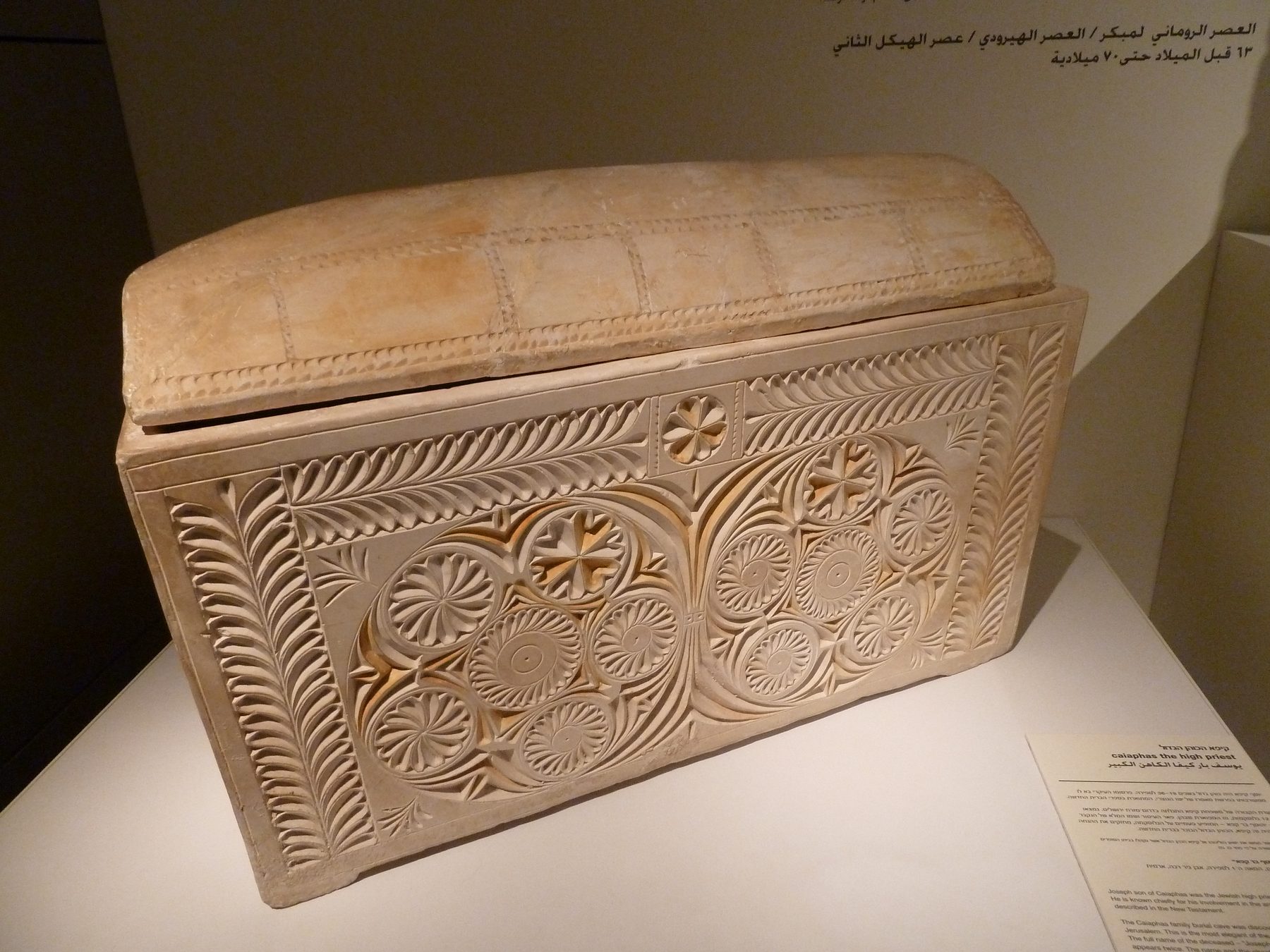
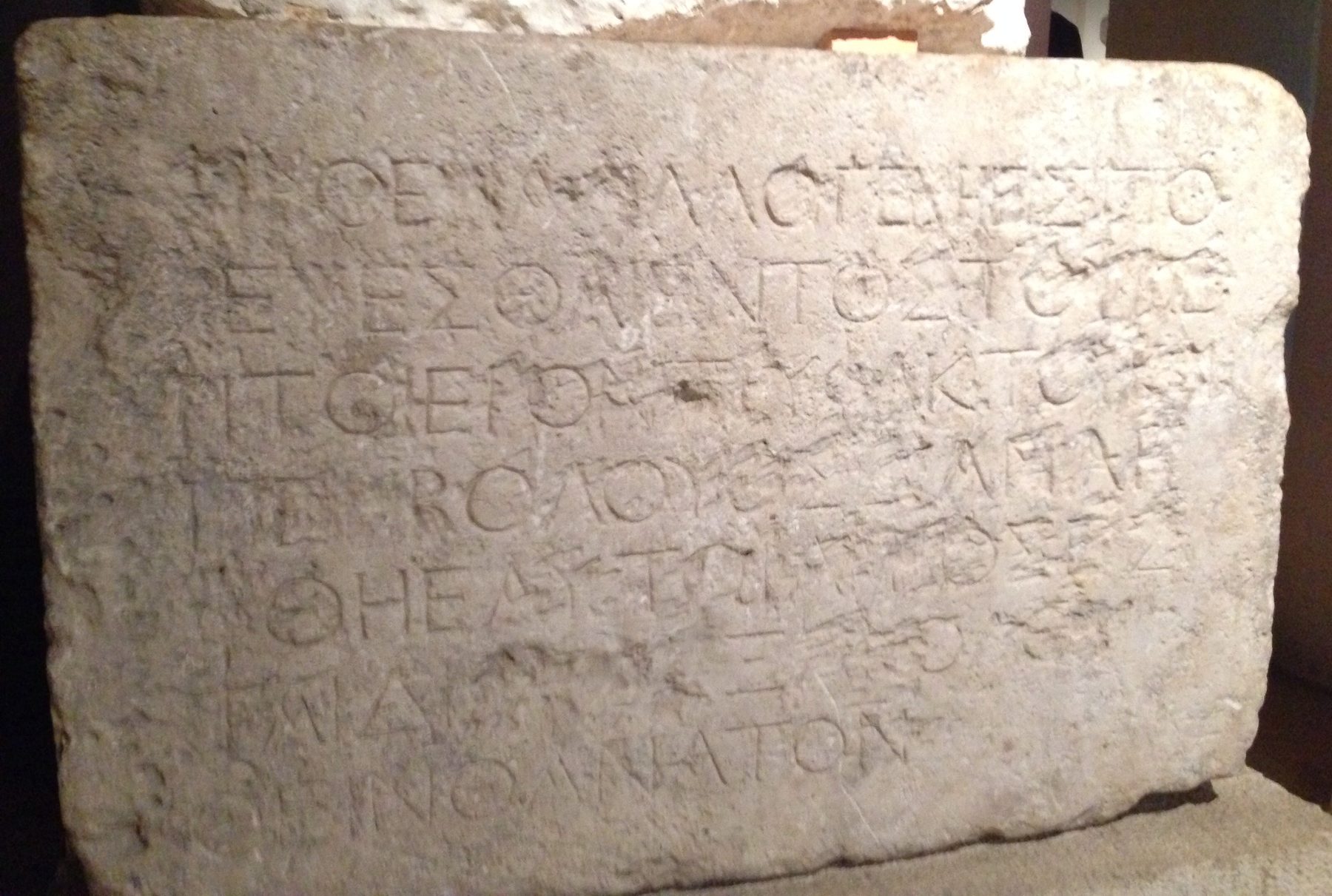
Crucifixion is one of the best-attested practices of the Roman world in literature and one of the worst-attested in the archaeological record. Roman writers describe it as routine, a punishment for slaves, rebels and the conquered, used across the empire for centuries. And yet, for most of that history, it left almost nothing behind. Wood decays. Bodies denied burial rarely survive to be excavated at all. Then, in 1968, workmen clearing ground for construction at Giv'at ha-Mivtar, a neighbourhood north of Jerusalem's Old City, broke into a family burial cave from the late Second Temple period. Among the ossuaries - the stone boxes used to store bones after the flesh had decayed - was one holding the bones of a young man. Through his right heel bone ran an iron nail, bent at the tip, with a fragment of olive wood still attached to it.
It is the only physical evidence of crucifixion recovered anywhere from the Roman world - a practice described at length by ancient authors but almost never found in the ground. The ossuary is inscribed with a name read as Yehohanan, son of Hagakol, and is held at the Israel Museum in Jerusalem.

What the bone shows
The nail passed through the heel bone from the outside, its point bending back on itself as it struck something hard - probably a knot in the wood of the upright, or the beam itself - which stopped it being withdrawn. Whoever removed the man's body from the cross could not pull the nail free, so it was left in place, driven still through the bone, and the whole assembly - bone, nail and a scrap of the wood it had been hammered into - was placed in the ossuary along with the rest of his remains. That single detail is what makes the find unambiguous: a bent nail lodged in a heel bone is not easily explained by anything other than a body fixed to wood and taken down afterwards with the nail still through it.
Everything else about the man is read from the bones themselves. He appears to have been a young adult at death. The leg bones show signs consistent with the legs having been broken or wrenched, which ancient sources describe as a way of hastening death on the cross. Beyond that, the skeleton gives up little: no name beyond the ossuary inscription, no account of what he had done or been accused of, no record of the actual execution. The evidence is physical, not narrative - a body returned to his family for burial, in a place and a period when Jewish burial practice still applied even to a man who had died by Roman punishment.
The nailed heel bone
A human right calcaneus (heel bone) pierced by an iron nail approximately 11.5 cm long, its point bent back on itself, with a small fragment of olive wood still caught at the tip. Recovered in 1968 from a family burial cave at Giv'at ha-Mivtar, Jerusalem, together with an ossuary inscribed with the name read as Yehohanan. Dated to the first century CE, before the Roman destruction of Jerusalem. It remains the only skeletal evidence of Roman crucifixion recovered from an archaeological context anywhere in the empire.
Israel Museum, JerusalemWhy it matters as evidence
Crucifixion appears constantly in the textual record of the period - in Roman legal and historical writing, in Josephus's accounts of first-century Judaea, in the New Testament - but the practice was designed to leave nothing behind. Victims were often denied burial altogether, left on the cross or disposed of anonymously, which is precisely why the physical trace is so rare. The Giv'at ha-Mivtar tomb shows the exception: a family that recovered the body of a man executed by crucifixion and buried him according to Jewish custom, in an ossuary, in a family tomb, like anyone else. That act of recovery and burial is itself evidence about the society doing the burying, in a period when Judaea sat under direct Roman rule and crucifixion was a live, present punishment rather than a distant literary reference.
The find corroborates the ancient written accounts by supplying what they could not: a physical object, dated and located, that shows a nail driven through a human heel bone and then left there because it could not be removed. It does not tell us who the man was, what he had done, or how he came to be on a cross. What it does is close the gap between text and ground for a practice that, for two thousand years, existed almost entirely in one register and almost never in the other.
The family tomb
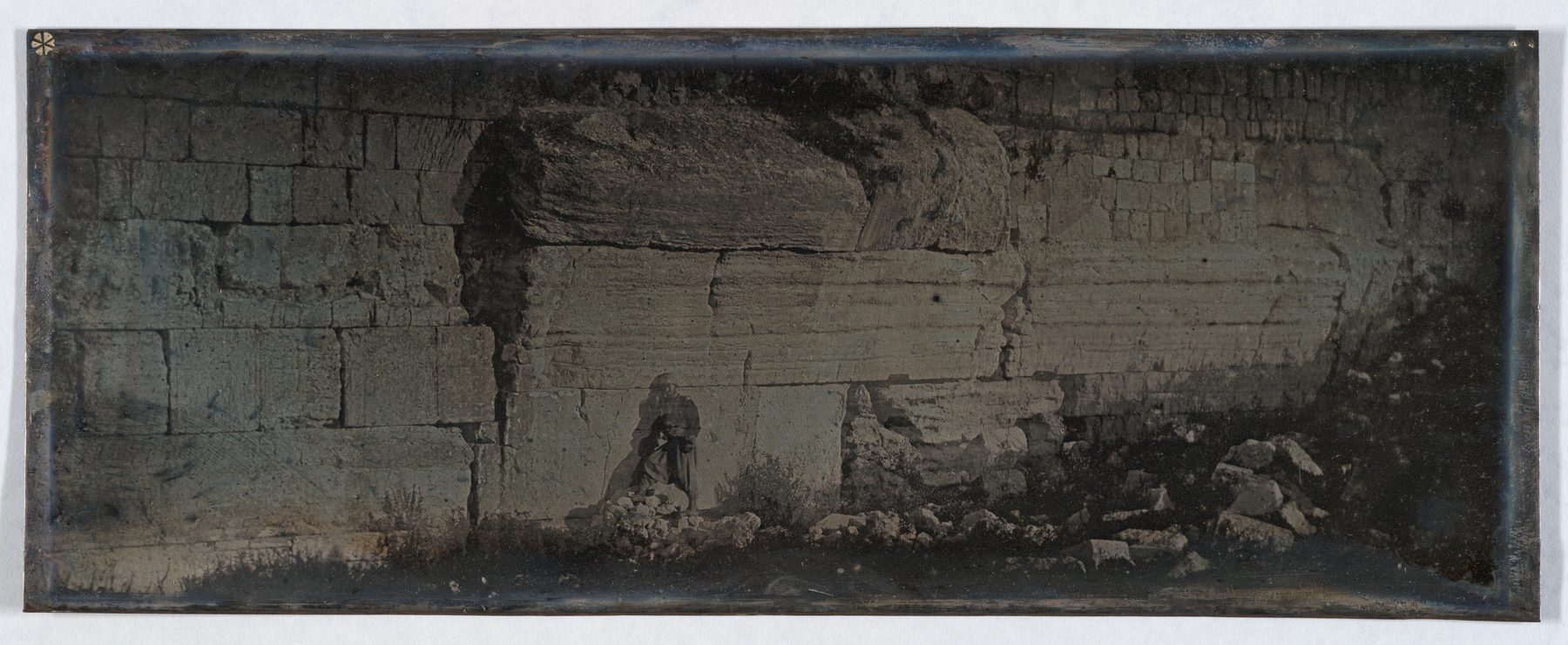
A rock-cut burial cave in the Giv'at ha-Mivtar neighbourhood, north of Jerusalem's Old City, containing multiple ossuaries typical of Jewish secondary burial practice in the late Second Temple period. The tomb was exposed in 1968 during construction work and excavated soon after. It is one of several Second Temple-era tombs known from the same area, and the only one to have produced direct skeletal evidence of crucifixion.
Giv'at ha-Mivtar, Jerusalem; finds held at the Israel Museum, JerusalemFurther reading