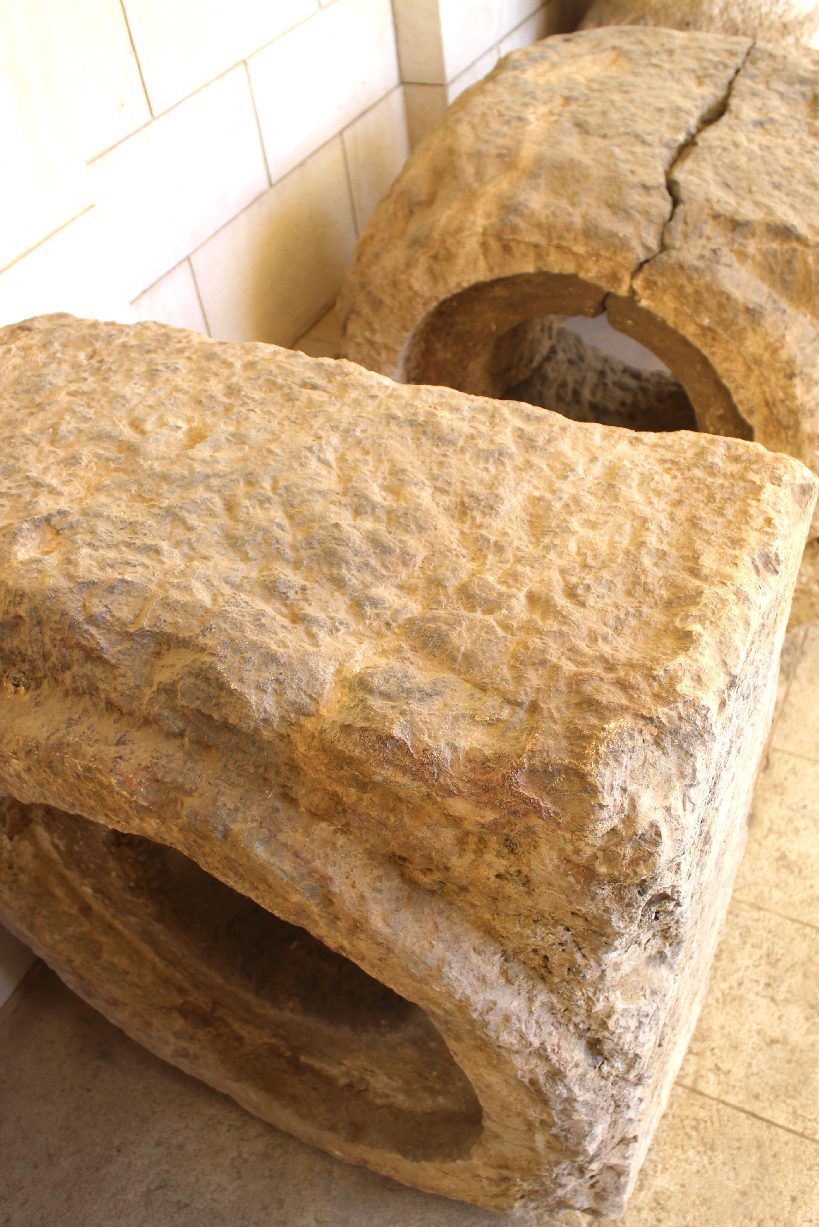
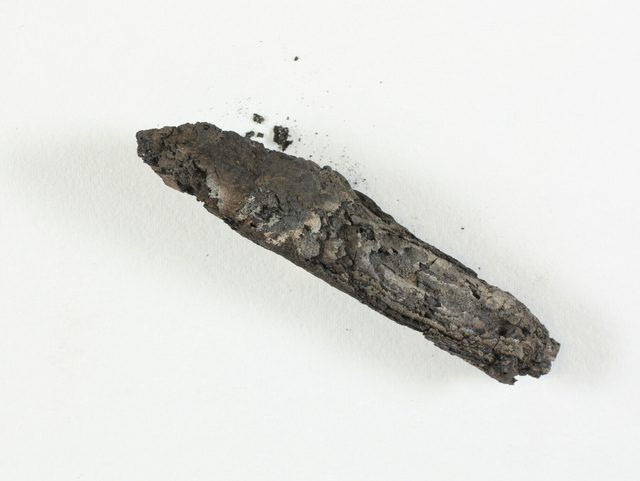
The cave sits partway up a sheer cliff face in Nahal Hever, one of the dry canyons running down to the Dead Sea, reachable only by a difficult scramble along a narrow ledge. That difficulty is the reason anything is left to find. People fleeing the Roman army in the Bar Kokhba revolt climbed up to caves exactly like this one because they were hard to reach - which meant, when the fighting ended and the refugees inside did not come back down, that no one ever cleared the cave out. It sat undisturbed for roughly eighteen hundred years until archaeologists reached it in the 1960s and found a sealed picture of a single catastrophe: cooking pots still in place, a hoard of bronze vessels wrapped and hidden, keys to houses whose owners never returned to unlock them, and letters and legal documents belonging to a woman named Babatha, kept together in a leather pouch.

What was hidden, and why it stayed
The cave takes its popular name from its most famous find, but it held more than letters. Excavators recovered a cache of finely worked bronze vessels - jugs, bowls, and incense shovels - wrapped in a straw mat and pushed into a crevice, evidently household or ritual metalware too valuable to leave behind and too heavy to carry further. Alongside the bronze were mundane things that make the site feel inhabited rather than merely archaeological: keys, worked wood and leather, remnants of cloth, and a scatter of coins. Human remains were also found in the cave, consistent with people who died there rather than escaped it. Nothing about the assemblage looks staged or curated. It looks like what people grab in a hurry when they expect to come back, and then do not.
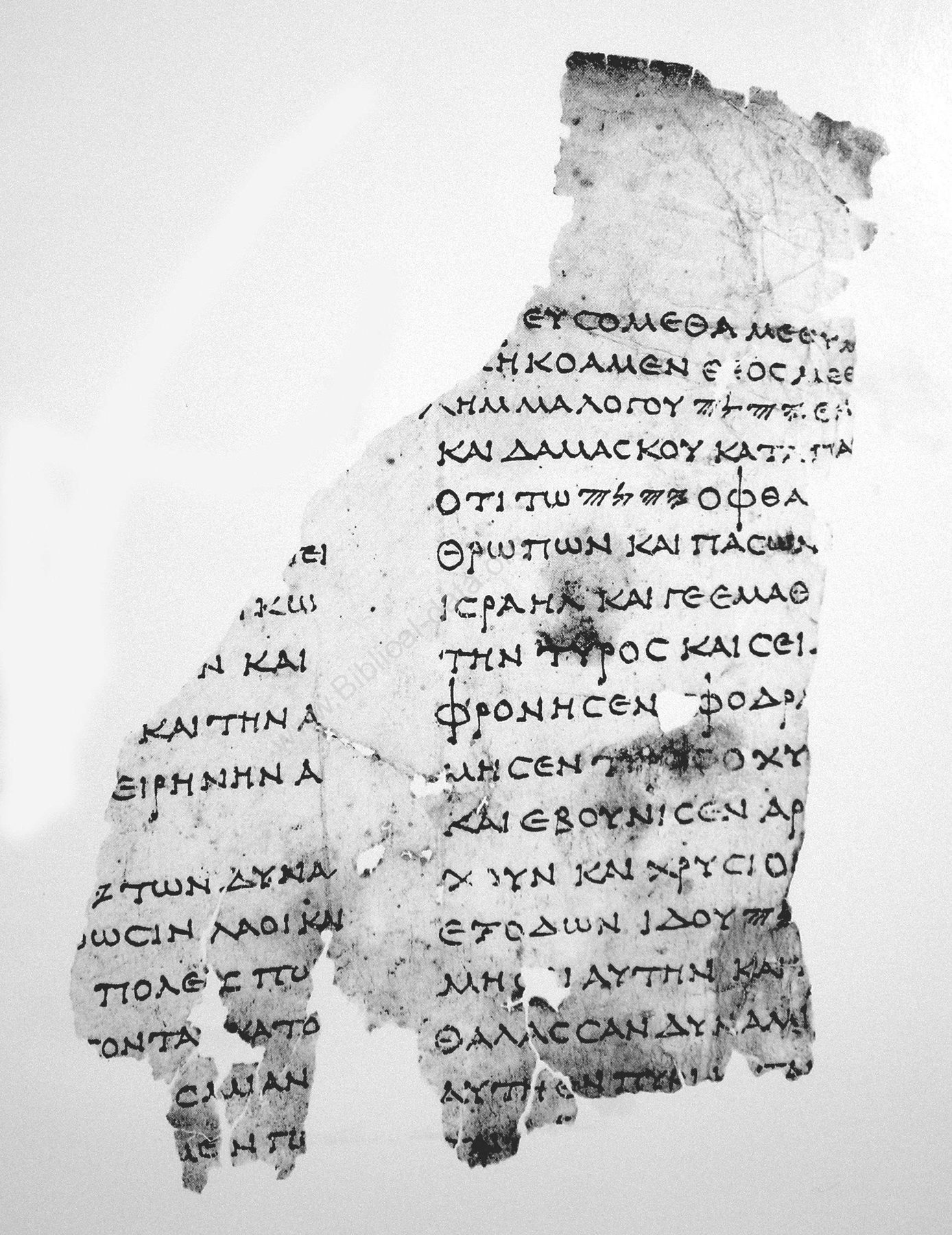
The written material is what gives the cave its documentary weight. Two bundles of papyri were found: a set of letters connected to the leadership of the Bar Kokhba revolt, and the personal archive of a woman named Babatha, a Jewish resident of the region south of the Dead Sea. Her documents are legal and domestic rather than military - deeds, marriage contracts, records of property and guardianship disputes, drawn up in Greek, Aramaic, and Nabataean over roughly two decades before the revolt. Bundled together, wrapped, and hidden with her, they read less like an archive assembled for posterity and more like exactly what they were: the paperwork of one woman's life, kept close because it mattered to her, carried into a cave she did not leave.
The Babatha papyri
A bundle of some three dozen legal and personal documents belonging to a Jewish woman named Babatha, written in Greek, Aramaic, and Nabataean between the late first and early second centuries CE and hidden with her in the Cave of Letters. The documents cover property deeds, a marriage contract, and disputes over guardianship and inheritance, giving a rare, dated, first-person window into the ordinary legal life of a Jewish family under Roman provincial rule in the years leading up to the Bar Kokhba revolt. Held at the Israel Museum, Jerusalem.
What the cave corroborates
The Bar Kokhba revolt is known from later literary sources and from other finds in the same desert - letters bearing the name of the revolt's leader, coins struck in its years. What the Cave of Letters adds is not the fact of the revolt but its texture: evidence that ordinary families, not only fighters, fled into these cliffs with whatever they owned, and that at least some of them did not come back down. A cave that preserves house keys alongside legal deeds is not a battlefield. It is a family's last address, and it corroborates the human scale of a war usually described only in terms of legions and casualty estimates.
Babatha's archive does separate work. Its documents are dated and cover routine matters that have nothing to do with revolt - property, marriage, inheritance - which is precisely what makes them valuable as evidence. They show a Jewish woman operating within, and occasionally against, the Roman provincial legal system of her day, filing claims and keeping records the way anyone with property to protect would. The picture that emerges is not of a passive population waiting for history to happen to it, but of people embedded in an ordinary legal and economic life that the revolt then violently interrupted.
The bronze cache
A collection of finely worked bronze vessels - jugs, bowls, and incense shovels - found wrapped together and concealed in the Cave of Letters. Alongside personal effects including keys, textile remains, and worked wood, the cache forms part of the material evidence for a group who sheltered in the cave during the Bar Kokhba revolt and did not leave with their belongings. Held at the Israel Museum, Jerusalem.
A key only means something if you plan to come back. Whoever hid these did not get the chance.
Set beside the Bar Kokhba letters found in nearby caves and the coins struck in the revolt's own years, the Cave of Letters does not change the outline of what happened between 132 and 135 CE. It fills that outline in with people: a household's bronze, a family's keys, and one woman's decades of ordinary legal life, all left exactly where fear put them and found exactly where it left them.
Story & Stone · The Tribe in Objects
Read another object: The LMLK Royal Seal Impressions →