From the surface, Kibbutz Hill in Rehovot showed a laundry, a bakery, and the usual clutter of a working settlement - washing lines, a chimney, the smell of bread. British inspectors visited more than once, looked at exactly that, and left satisfied. What they did not see was underneath their feet: a full ammunition factory, built in secret, running two shifts a day, forty-five steps below a set of industrial-scale washing machines that were never actually there to wash clothes. The machines were the alibi. Their real job was noise and cover for the machinery beneath them, and a trapdoor that could seal in seconds when a lorry's engine gave the signal that inspectors were at the gate.
The site is now a museum, restored and run largely as it was left when the factory closed. That plainness is the point of this piece. This is not a story that depends on argument. It depends on a hole in the ground, a set of Mauser-calibre cartridge presses, and roughly three years of production that the mandatory authorities never once detected.

What was actually down there
The underground hall held machinery for manufacturing 9mm cartridges to fit the Sten submachine gun then in use by the Haganah, the pre-state defence organisation later folded into the Israel Defence Forces. The plant took in raw materials - brass, lead, chemicals for the propellant - and turned out finished, loaded rounds. Workers, most of them young members of the kibbutz collective, spent their shifts underground and rarely saw daylight during their working weeks, both for security and because a suntan on a supposed laundry worker's face was itself a risk.
The concealment worked on several layers at once. The laundry building above was a genuine, functioning laundry - it processed real washing for other kibbutzim, which gave the site a plausible commercial reason to run heavy machinery around the clock and to receive frequent deliveries. The bakery did the same job with ovens and flour deliveries. British officers inspected the kibbutz on more than one occasion looking for exactly this kind of clandestine production, and by every account left without finding anything, because the entrance to the shaft was concealed beneath one of the laundry machines and could be sealed from below.
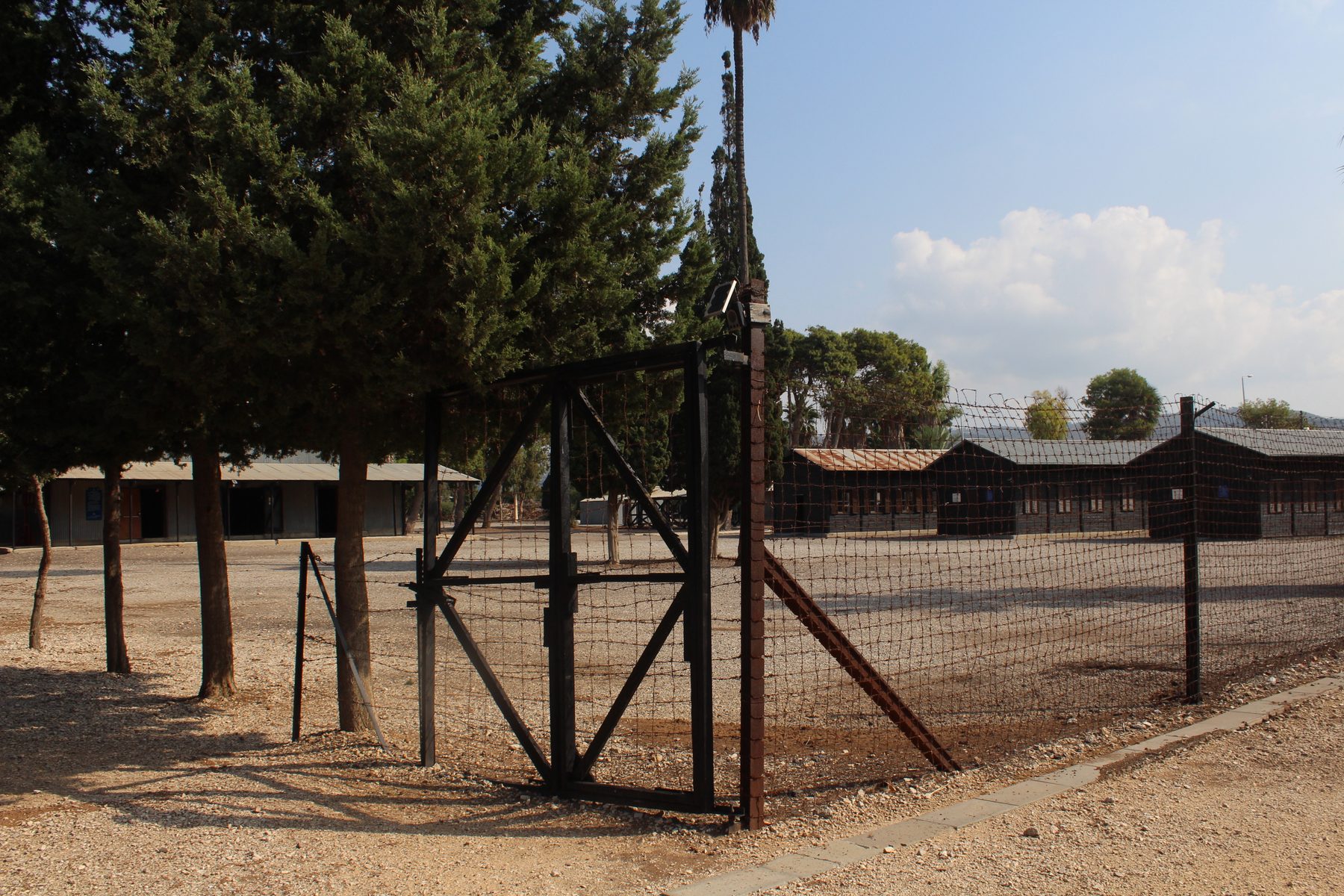
The Ayalon Institute Underground Ammunition Factory
An underground cartridge factory built beneath Kibbutz Hill, Rehovot, and operated by the Haganah to manufacture 9mm ammunition for Sten submachine guns. Concealed beneath a working laundry and bakery on the surface, it ran largely undetected by the British Mandate authorities through the final years of the Mandate. The site survives with its original machinery in place and is preserved as a museum operated as part of Israel's network of national heritage sites.
Ayalon Institute, Rehovot, IsraelWhy the concealment was necessary
Under the terms of the British Mandate, private manufacture and possession of arms and ammunition by the Jewish population was tightly restricted, and the authorities actively searched for illegal weapons production as part of their broader policing of Jewish paramilitary activity. The Haganah's ability to arm and train a defence force depended on a domestic supply of ammunition that did not pass through any authority able to confiscate it. A factory in a barn or a basement risked discovery on the first thorough search; a factory built into the working life of an entire kibbutz, with a cover story that needed no acting because the laundry and bakery were real businesses, was far harder to unpick.
The choice of a kibbutz setting mattered for another reason. A collective agricultural settlement offered a plausible workforce of young people whose comings and goings, odd hours and physical labour would not, on their own, look unusual to an outside observer. The underground plant needed workers who could disappear from view for shifts at a time without raising questions among neighbours, and a kibbutz already organised around communal, rostered labour supplied exactly that cover.
What it proves, sitting there today
An underground factory that survives with its machinery largely intact is a different kind of evidence from a document or a photograph. It cannot be paraphrased or misquoted, because a visitor can walk down the same shaft, stand at the same cartridge press, and see the same washing machine positioned over the same trapdoor. What it demonstrates is not a claim about intentions or numbers but a fact about capacity: that in the last years of the Mandate, a Jewish community in Palestine was able to plan, build and operate serious industrial infrastructure in complete secrecy, under the noses of a colonial administration actively looking for exactly that kind of activity, using cover as mundane as clean sheets and fresh bread.
That capacity mattered beyond the ammunition itself. It was a rehearsal in organisation, discipline and secrecy for a community that would, within a few years, need to build and supply an army from very little. The factory closed not because it was found but because it was no longer needed - the state whose defence it had helped arm was declared in 1948, and the Haganah became the core of a national army that no longer had to hide its weapons underground.
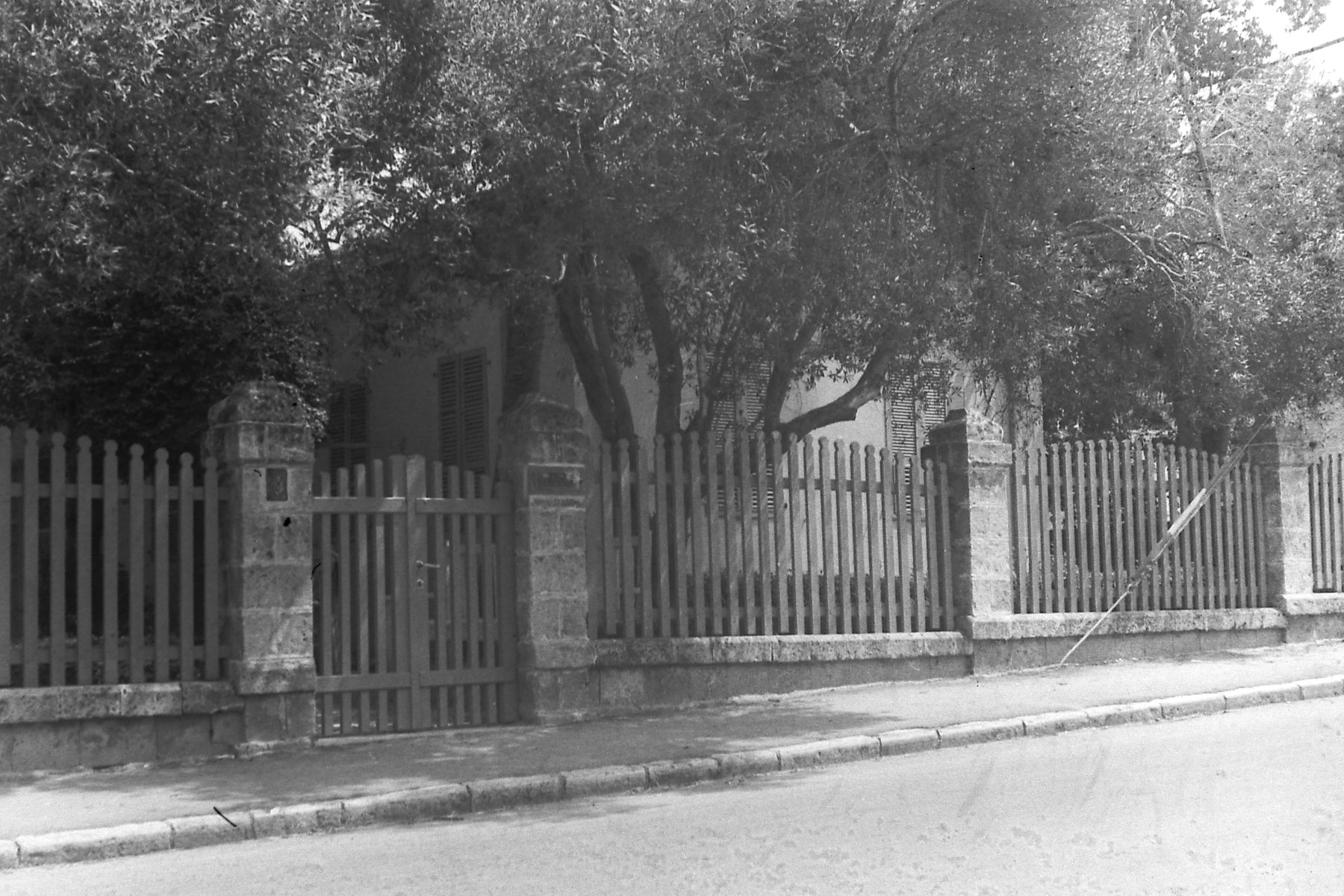
The Laundry and Bakery Cover Buildings
Two working surface buildings, a laundry and a bakery, were constructed on Kibbutz Hill to provide genuine commercial cover for the underground factory beneath them. Their heavy machinery, ovens and regular deliveries explained the noise, heat and traffic that a covert operation would otherwise have had to disguise separately. The trapdoor giving access to the shaft below was built into the laundry floor beneath one of the washing machines. Both surface buildings survive as part of the preserved site.
Ayalon Institute, Rehovot, IsraelFurther reading