On a ridge between Jerusalem and Bethlehem, a low hill carries a stump of monumental masonry that never belonged to a village. The stones are ashlar - cut, dressed and laid by people building for someone important - and among the rubble around them excavators found fragments of a carved stone balustrade meant to sit in a palace window. There is no biblical name attached to the site with certainty, no inscription announcing its builder. What there is instead is a class of Judahite royal building known nowhere else so completely: administrative stamp impressions by the hundred, a fortified enclosure with no ordinary houses inside it, and later, laid directly over the ruin, one of the most elaborate gardens excavated anywhere in the ancient Near East. Ramat Rahel is evidence of a kind the Bible does not supply on its own - the physical apparatus of Judahite kingship, working.
The hill was identified as an ancient mound in the twentieth century and excavated across several seasons from the 1950s into the 1960s, then reopened for a further programme of excavation in the 2000s that used modern methods - soil micromorphology, pollen and phytolith analysis - the earlier dig could not. Between the two campaigns a coherent picture has emerged: a citadel built without the crowding of a normal town, with occupation phases running from the late eighth or seventh century BCE through the Babylonian, Persian and into the Hellenistic period. Its architecture and its stamped storage-jar handles point to an administrative function in each of those phases, though whether that is best read as a single continuous royal and then imperial administration, or as separate administrations serving different rulers in turn, is argued phase by phase rather than settled as one continuous story.

A palace built for looking, and for being seen
The most eloquent single find from the site is not a text but a piece of architecture: a small stone balustrade, carved with the volutes of a proto-Aeolic capital, of a type used to fill a window opening in the upper storey of a grand building. It is the kind of fitting known from royal architecture across the ancient Levant, echoed in biblical descriptions of palace windows and in the ivory-carved image of a woman framed in a window, a motif that turns up in decorative art from several Iron Age courts of the region. Found broken among the palace debris, it is a fragment of interior furnishing far beyond the means of an ordinary house - proof, in a single carved stone, that this hill carried a building meant to impress as well as to administer.
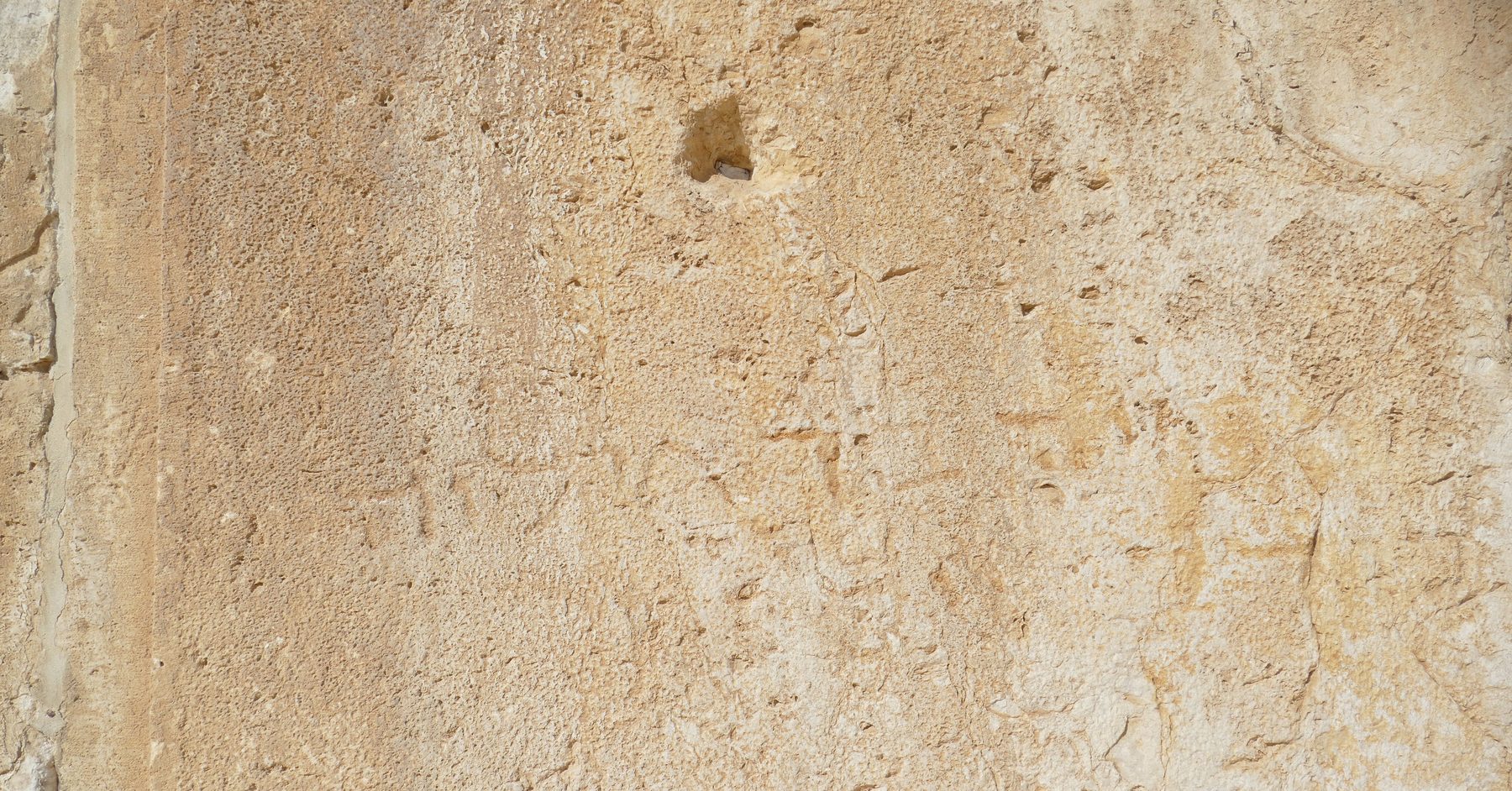
The palace itself was raised on an artificial platform, its walls built of large, well-dressed ashlar blocks in a style associated elsewhere with royal and elite Iron Age construction. Excavators found no dense residential quarter crowded around it, which is itself a clue: this was not a town that grew a palace, but a palace built to stand apart, ringed by a casemate-style fortification and approached rather than lived around. The natural reading is an estate centre - a royal or administrative seat serving the government of Judah from a hill just outside its capital, rather than the capital itself.
The lmlk and rosette seal impressions
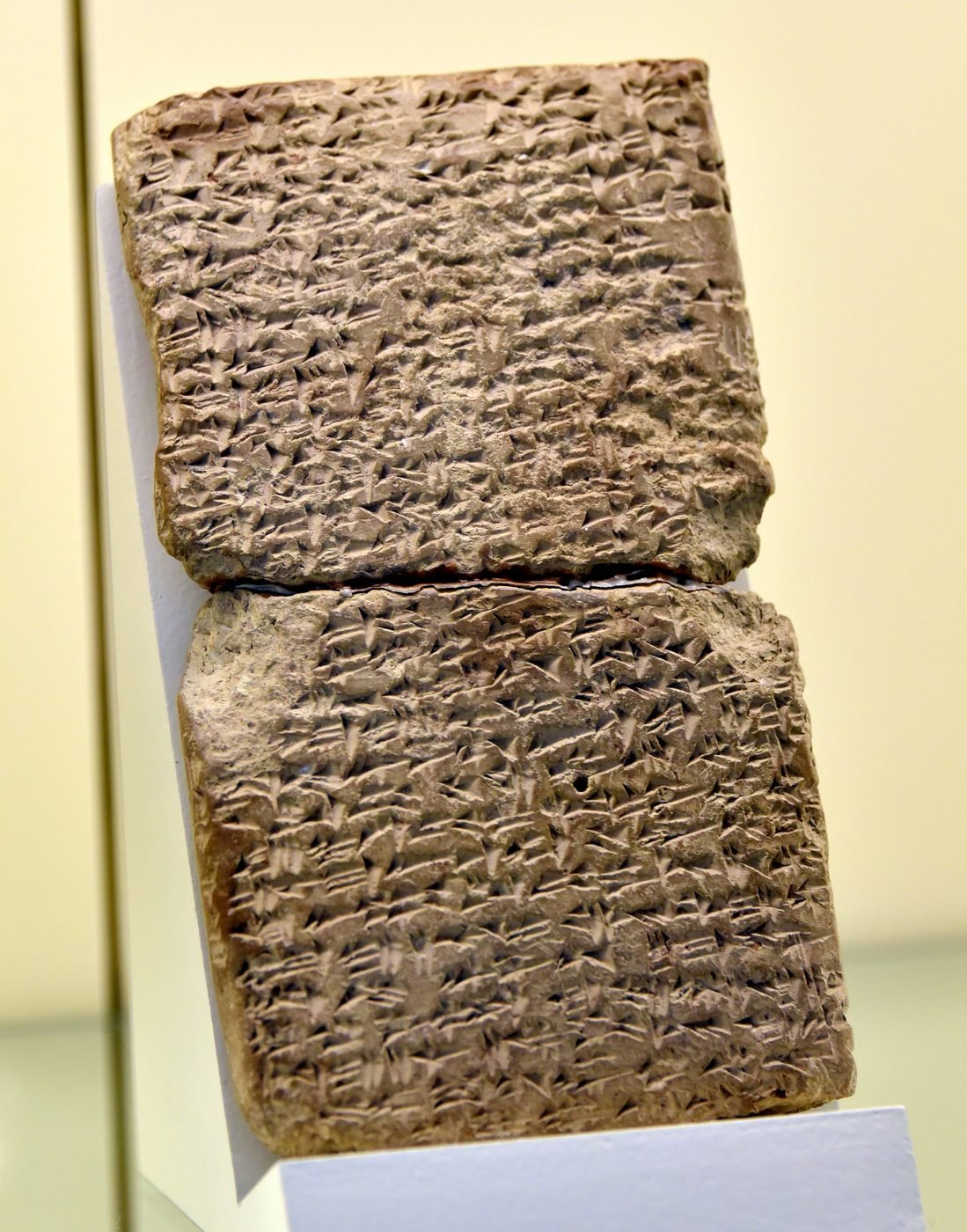
Ramat Rahel has produced one of the largest concentrations anywhere of stamped storage-jar handles bearing royal Judahite administrative marks - the "lmlk" (belonging to the king) impressions of the late eighth and seventh centuries BCE, and the later rosette-stamped handles that seem to have replaced them as an official mark toward the end of the kingdom. These stamps identified jars of oil or wine moving through a royal collection and redistribution system. Their density at this one hilltop site, far greater than at comparable Judahite towns, is the clearest physical sign that Ramat Rahel functioned as a hub inside that system rather than as an ordinary settlement.
Excavated seal impressions, Israeli and German university excavationsThe debate: whose seat was it?
No inscription at the site names its Judahite ruler or gives the palace a biblical identity, and that gap has left real room for disagreement. One line of interpretation reads the fortified, unfortified-town layout and the concentration of royal stamp impressions as evidence of an administrative centre built by the kings of Judah themselves, perhaps for managing agricultural produce collected as tax or tribute from the surrounding countryside. Another notes that the site's most elaborate building phase, and certainly its famous garden, belongs after Jerusalem's fall to the Babylonians in 586 BCE, when Judah had no king of its own, and argues that Ramat Rahel's grandest period should be understood as the seat of a foreign-appointed governor administering the province on behalf of Babylonian and then Persian rulers - not a royal Judahite palace at all in its final form, whatever it may have been earlier. Both readings agree the site was administrative and important. They differ on whose administration, and in which century, built the building whose ruins survive.
A garden that should not exist at a Judahite hilltop
What makes the later phase of the site remarkable is not architecture alone but botany. Excavators recovered pollen and other plant remains from beneath the floors and plaster of an elaborate formal garden laid out over the ruined palace in the Persian period, complete with a sophisticated system of channels, pools and plastered surfaces built to carry and display water on a hilltop with no natural spring. The pollen included species not native to the region and not otherwise attested locally at this date, consistent with a deliberately assembled ornamental garden of the kind Persian-period governors elsewhere in the empire are known to have built to project imperial status - a paradeisos, a walled pleasure-garden, planted on top of the remains of a Judahite royal building. Reading a governor's garden grown from an intentionally imported plant list is a rare thing anywhere in this period's archaeology; finding it directly above the floor of a Judahite palace is close to unique.
Set the two phases side by side and Ramat Rahel becomes a genuinely unusual kind of evidence: not a single artefact making a single claim, but one hilltop carrying, in sequence, the physical apparatus of a Judahite kingdom collecting its own produce, and then the physical apparatus of the empires that succeeded it, building a showpiece garden on the same spot for the same reason - because the hill commanded the same view of Jerusalem either way. The site does not need a king's name carved into it to matter. It shows, in stone and pollen rather than in text, how Judah's countryside was actually run, and by whom, across the very century the Bible describes mostly in silence.
Ramat Rahel today
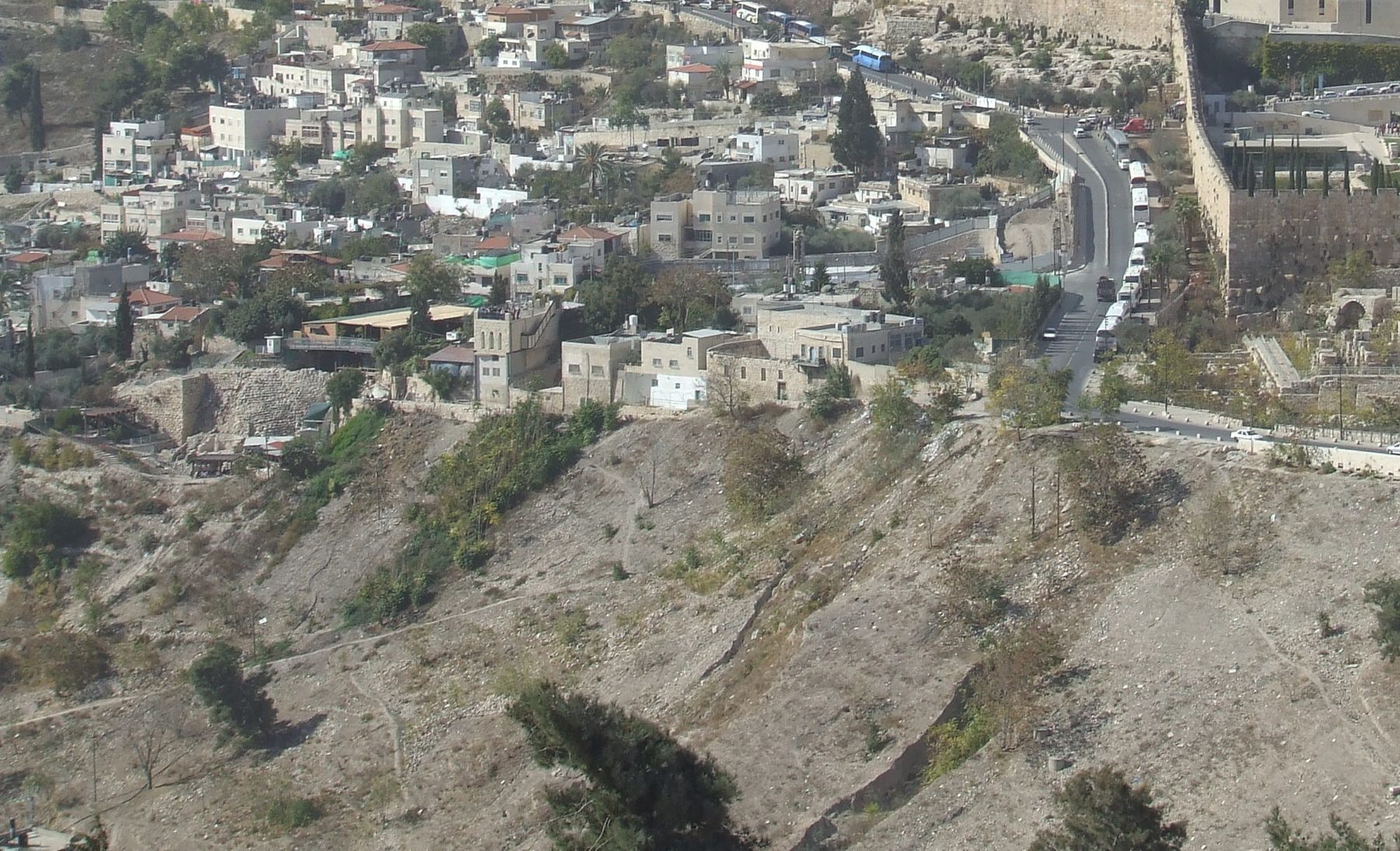
The excavated remains, including sections of the palace platform and the reconstructed Persian-period garden with its water channels, are preserved and open to visitors on the grounds of Kibbutz Ramat Rahel, on the ridge between Jerusalem and Bethlehem. The site is unusual in showing two distinct administrative phases, native and imperial, stacked on the same hill within view of the city both were built to serve.
In situ, Ramat Rahel, near JerusalemFurther reading